National Things of China: Explained with Symbols and Importance
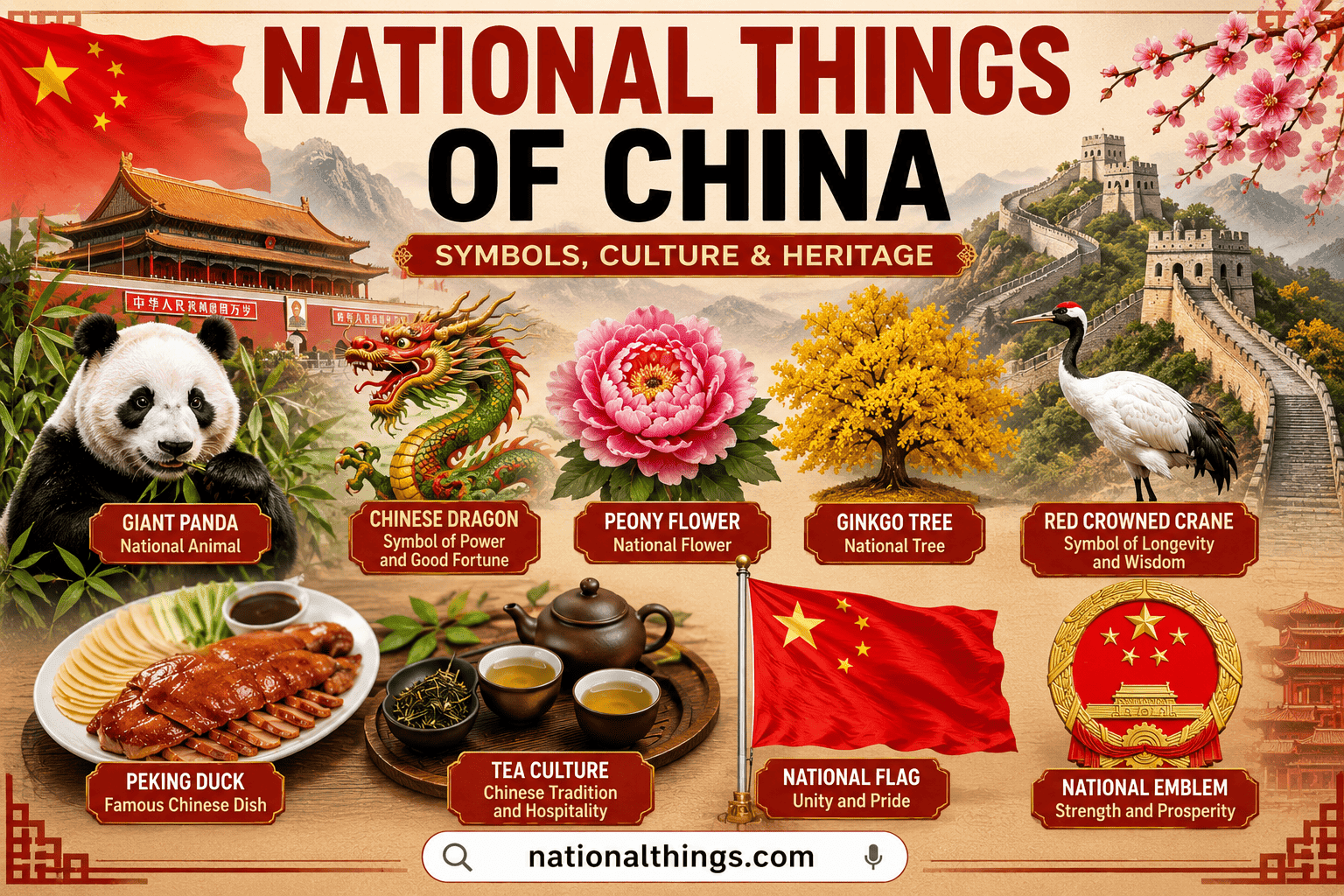
What are the National Things of China

National Things of China show the culture history traditions and identity of one of the oldest civilizations in the world. China has many famous national symbols that people recognize across the globe such as the giant panda, Chinese dragon, peony flower, tea culture, and the red national flag. These symbols are not only part of Chinese history but also part of daily life festivals tourism art and international relations. Some of them started thousands of years ago during ancient dynasties while others became national icons in modern times. Each symbol…

Read More

National Things of India: Explained with Symbols and Importance

National Symbols of India

India’s National Things are a set of official symbols that represent the identity, culture, and values of the country in a simple and powerful way. These include the national flag, anthem, animal, bird, flower, and many other symbols that reflect India’s history and diversity. Each of these national things has a clear meaning and was chosen with purpose. They help people understand what India stands for and create a sense of unity among millions of citizens who speak different languages and follow different traditions. In this guide, you will learn…

Read More

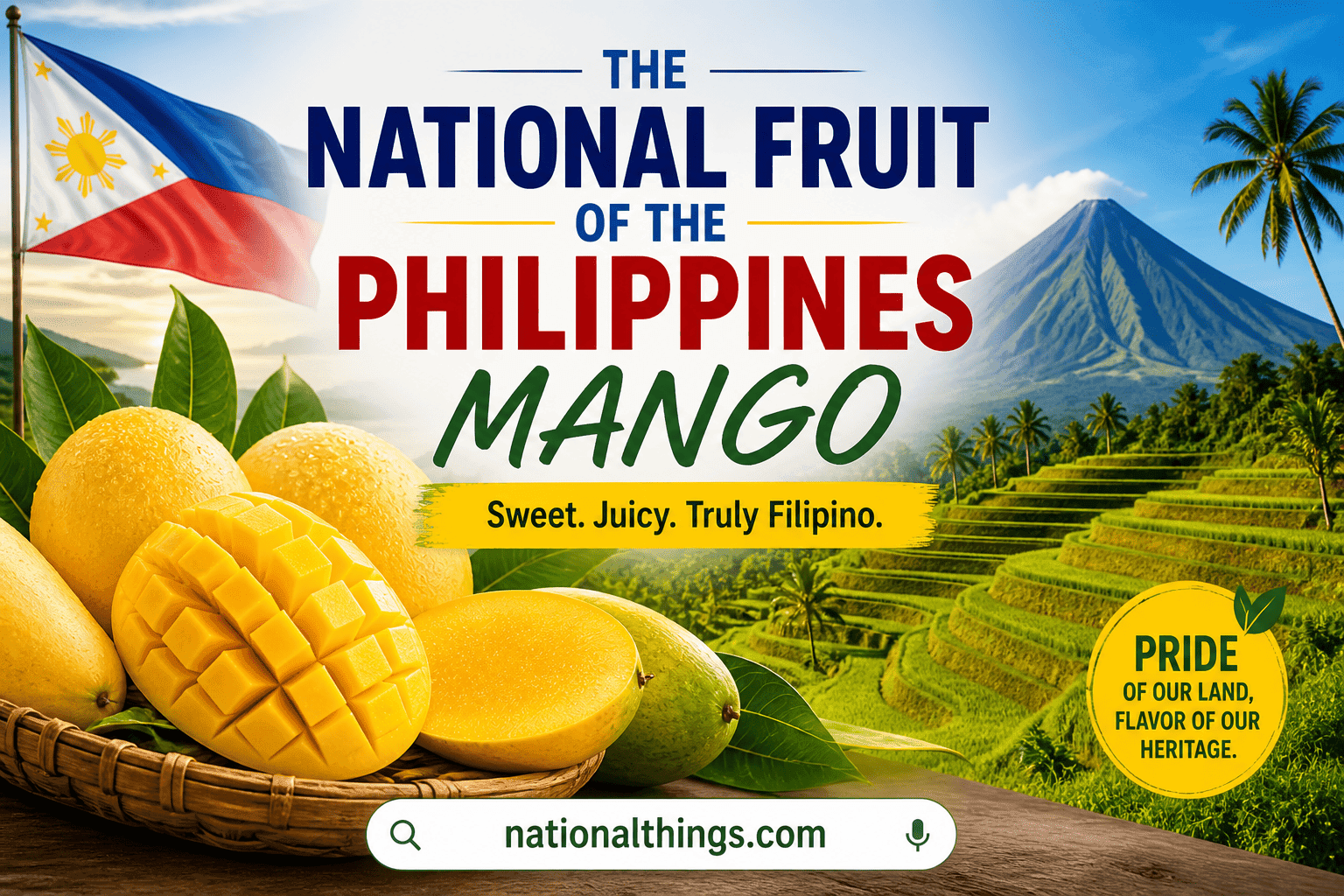
National Fruit of the Philippines: Meaning, History, and Importance

What Is the National Fruit of the Philippines

National Fruit of the Philippines reflects the country’s rich food culture and strong agricultural roots. Mango, especially the Carabao variety, stands out for its natural sweetness, bright color, and smooth flesh. People across the Philippines enjoy it in many ways, such as fresh slices, dried snacks, juices, and traditional desserts. Farmers grow mangoes in many regions, making it an important source of income and export value. Its wide use in daily meals and its global reputation make mango a true symbol of the Philippines. What Is the National Fruit of…

Read More

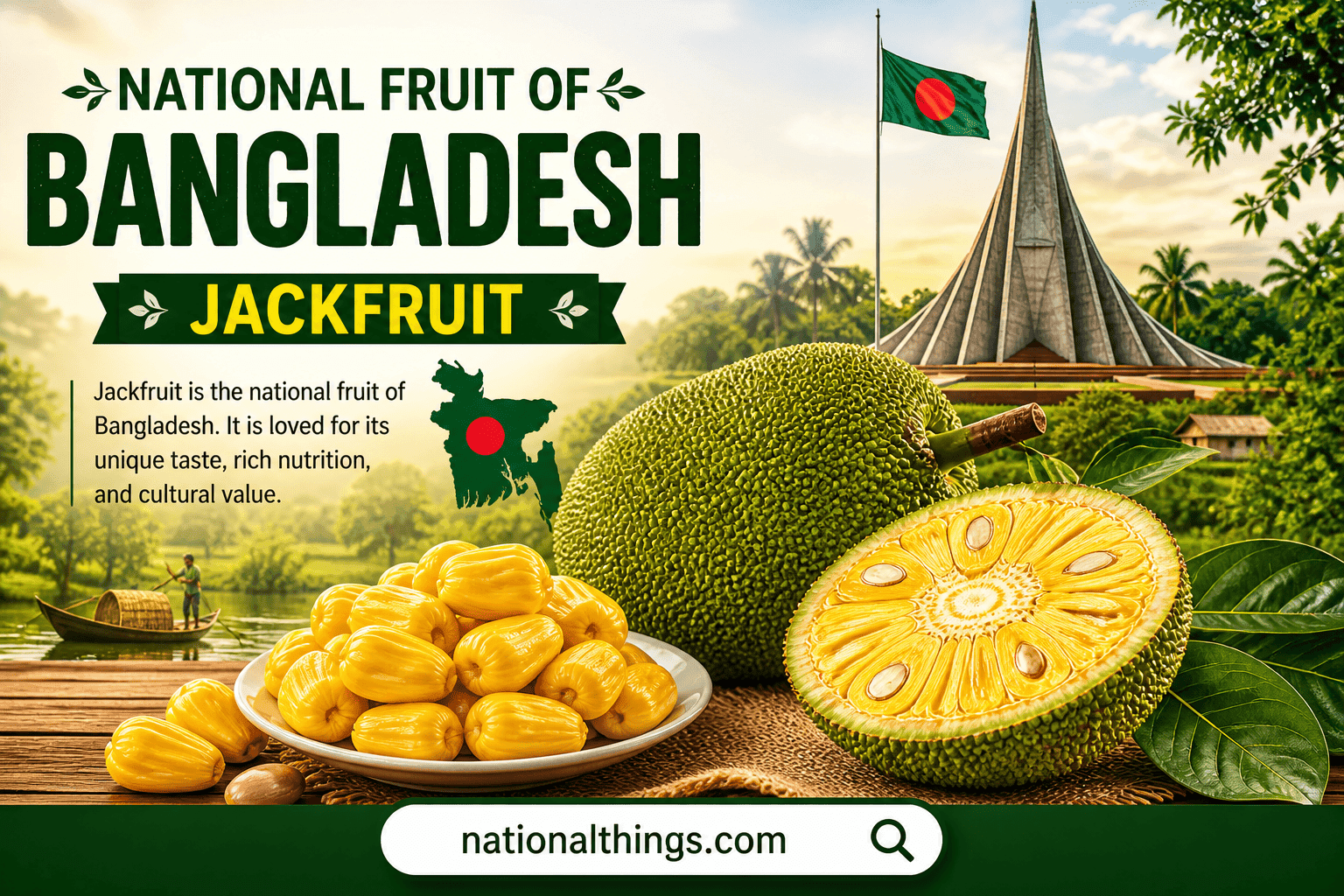
National Fruit of Bangladesh: Meaning, History and Pictures

What is the National Fruit of Bangladesh

National Fruit of Bangladesh is jackfruit. This fruit is a central part of daily life in the country and grows in almost every region. It is large in size, rich in nutrients, and widely used in both raw and ripe forms. People value it not only for its taste but also for its role in food security and local traditions. From village homes to city markets, jackfruit remains one of the most recognized and consumed fruits in Bangladesh. What is the National Fruit of Bangladesh? National Fruit of Bangladesh is…

Read More

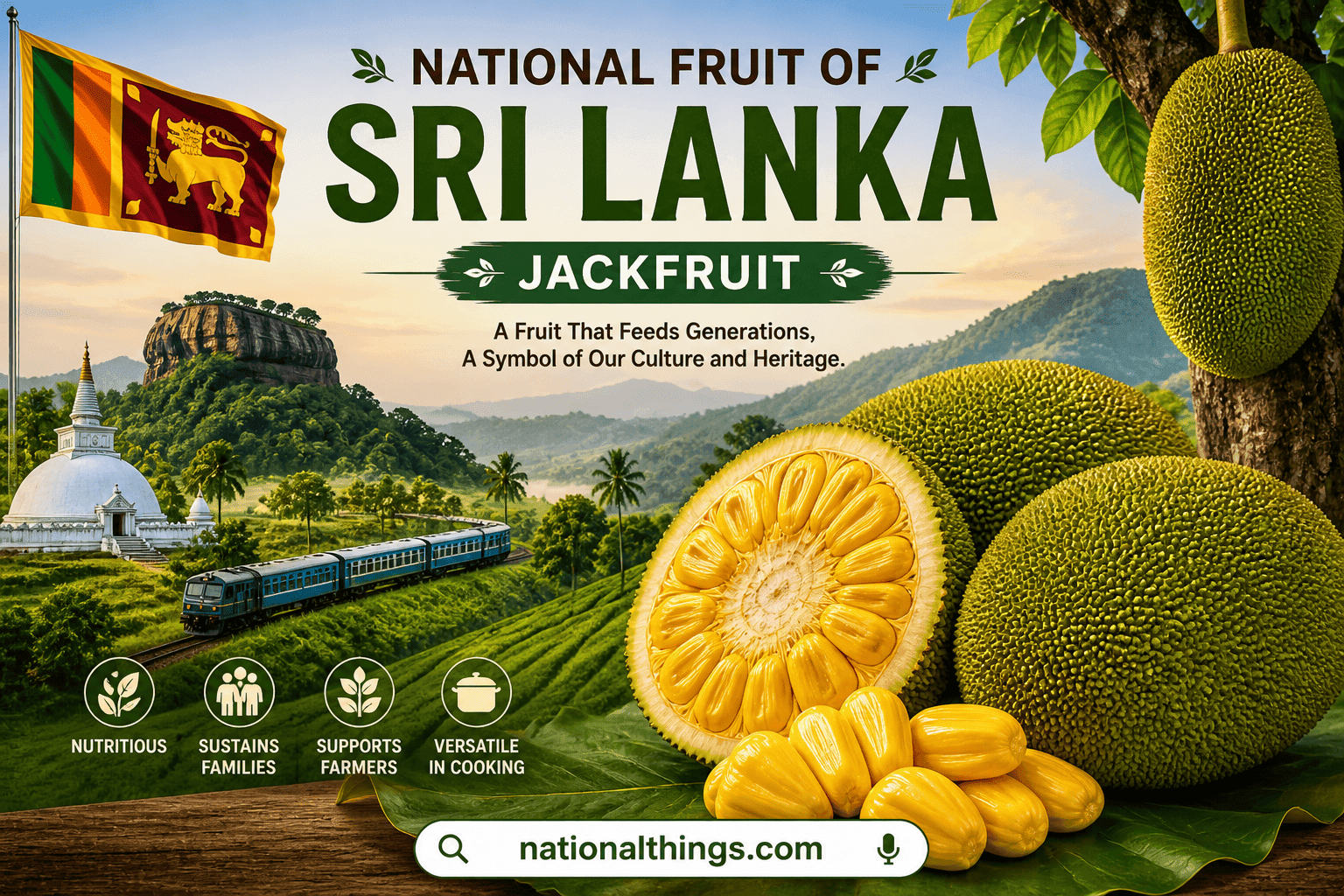
National Fruit of Sri Lanka: Meaning, History and Pictures

What is the National Fruit of Sri Lanka

National Fruit of Sri Lanka is jackfruit, a large tropical fruit known for its size, rich nutrition, and wide use in daily meals. This fruit plays an important role in Sri Lankan life because people eat it at different stages, from young to fully ripe. It grows easily in the country’s warm climate and provides food for many families without high cost. Jackfruit is not just a fruit but a reliable food source that supports both rural households and local traditions. Its ability to be used in curries, snacks, and…

Read More

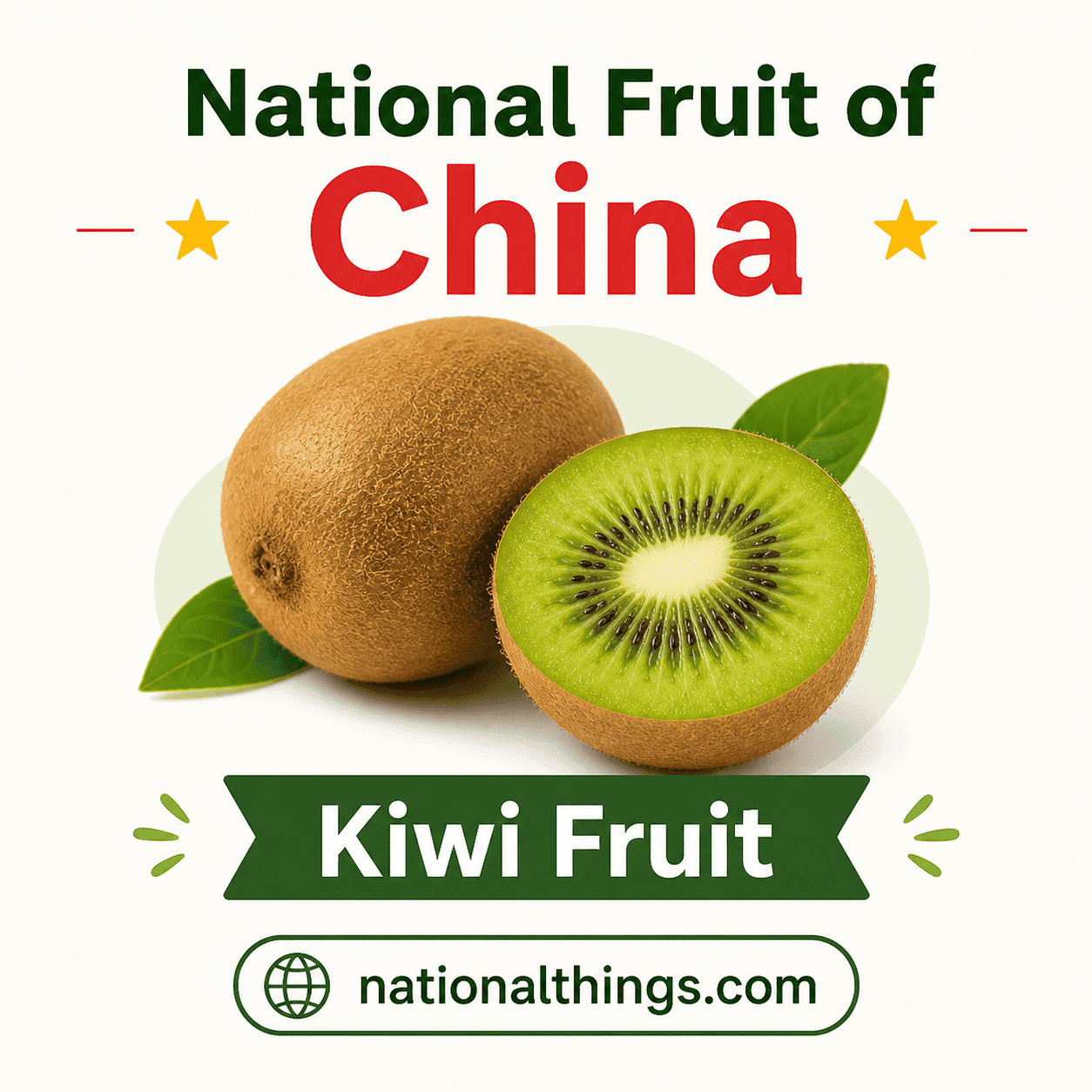
National Fruit of China: Meaning, History and Pictures

National Fruit of China

The national fruit of China is widely recognized as the kiwi fruit, a crop that originated in China and later spread across the world. This fruit grows on climbing vines and is known for its green or golden flesh packed with nutrients. In China, kiwi fruit is not just a farm product but also an important part of agricultural development and international trade. It carries a long history that connects wild forest plants to modern large-scale farming. Today, China leads global kiwifruit production, shaping both supply and research in this…

Read More

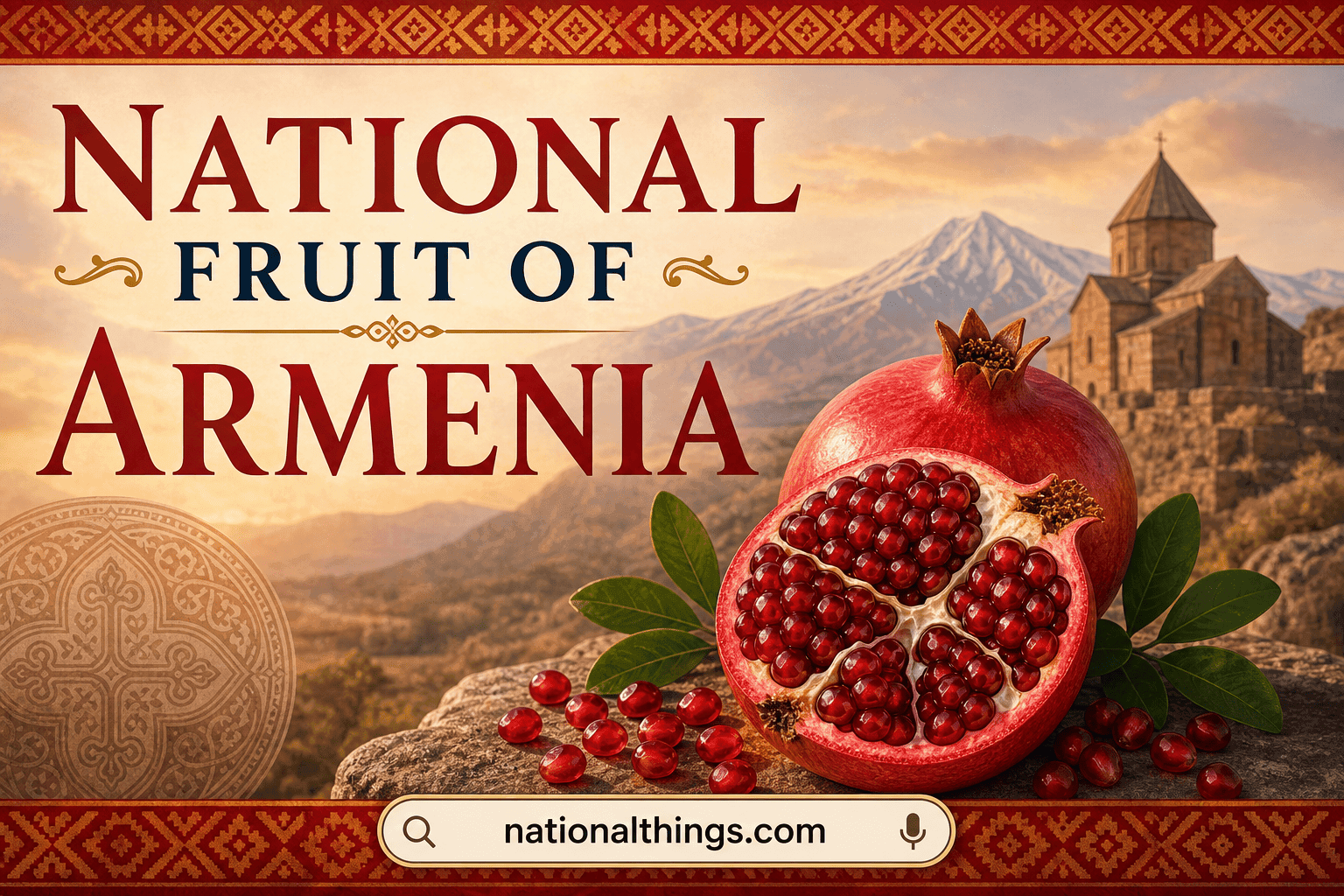
National Fruit of Armenia: Meaning, History, and Importance

National Fruit of Armenia is the Pomegranate

The National Fruit of Armenia is the Pomegranate, a fruit that holds deep cultural and historical meaning in the country. In Armenia, the pomegranate is not treated as an ordinary fruit. It is seen as a symbol of life, strength, and long tradition. People value it for its rich taste, its many seeds, and its connection to ancient Armenian heritage. The fruit grows well in Armenia’s warm regions and has been part of local farming and daily diet for centuries. Its presence in festivals, art, and family traditions shows why…

Read More

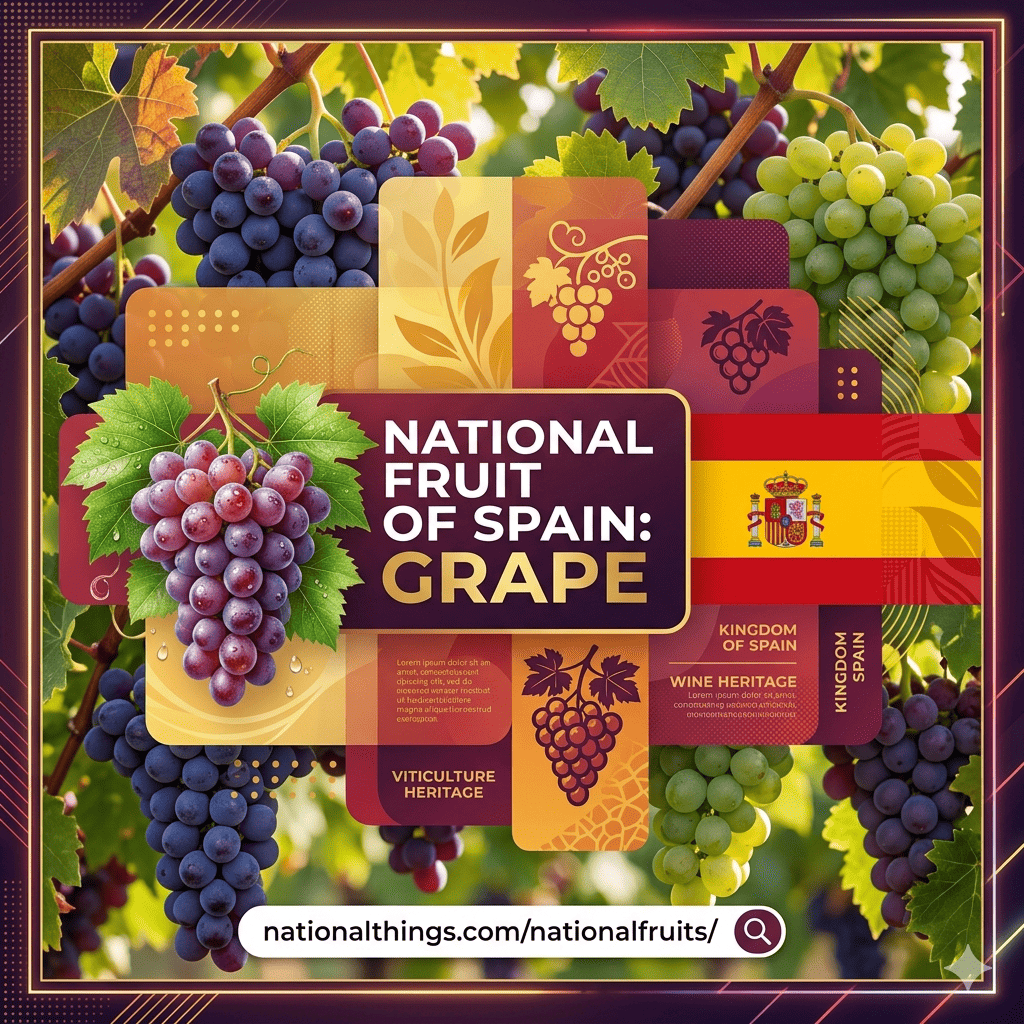
National Fruit of Spain: Importance and Varieties of Grapes

The National Fruit of Spain is the Grape

Have you ever wondered why people connect grapes so strongly with Spain even though the country has many famous fruits? The national fruit of Spain is a topic that surprises many readers because Spain never officially declared one national fruit. Still, grapes hold a special place in Spanish culture, history, and daily life. From ancient vineyards to the famous New Year tradition of eating twelve grapes at midnight, these small fruits became a major symbol of Spain’s national fruit identity. Spain is also one of the world’s largest wine producers,…

Read More

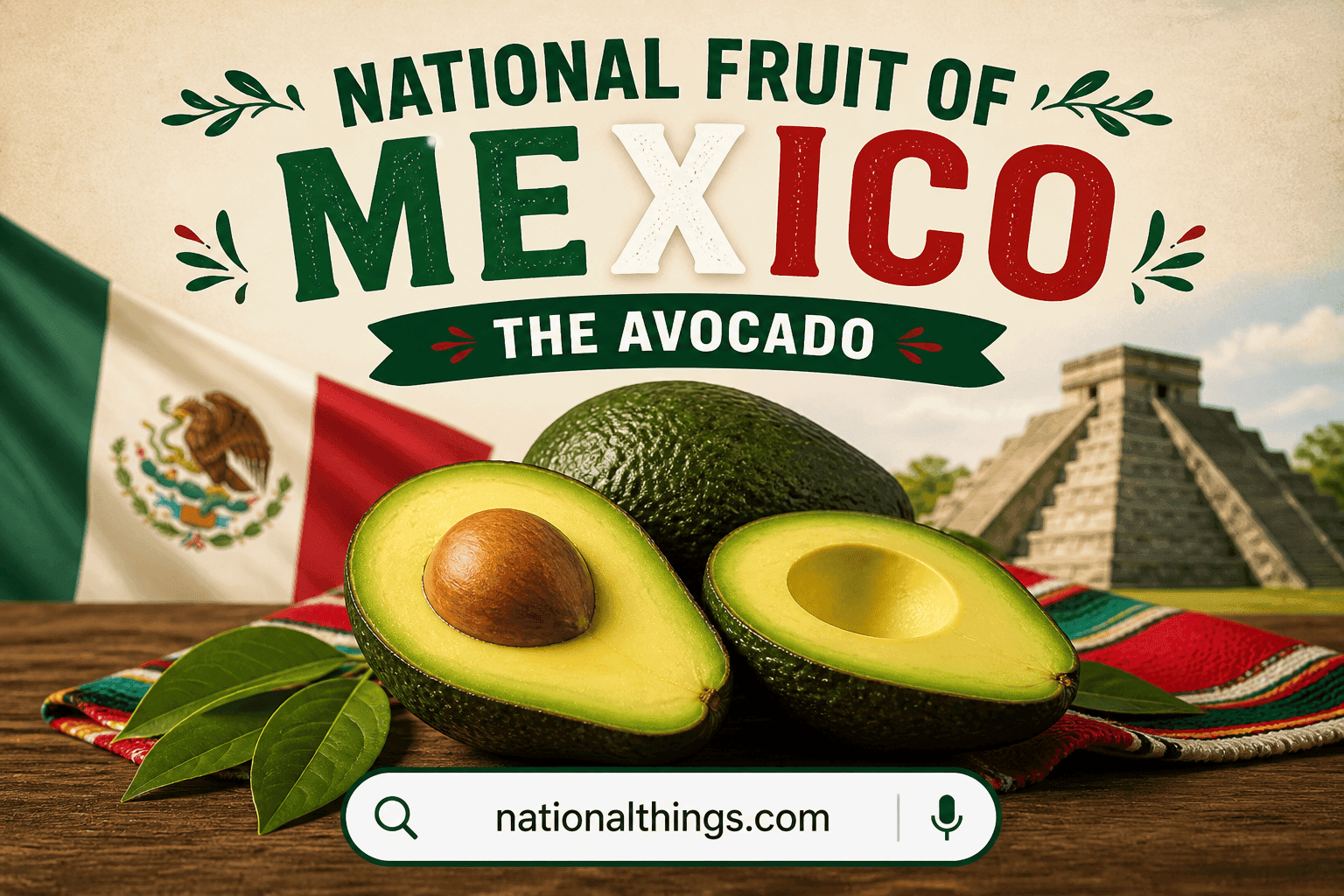
National Fruit of Mexico: Meaning, History, and Facts

What is the National Fruit of Mexico

Mexico is widely known for its rich agricultural heritage, and among its most valued fruits, the avocado holds a special place. Recognized as the national fruit, it is deeply connected to the country’s history, culture, and daily diet. The avocado is enjoyed for its creamy texture, mild flavor, and high nutritional value. It is also an important crop that supports farmers and contributes significantly to the economy through local use and international trade. From traditional dishes like guacamole to modern global recipes, the avocado continues to represent Mexico’s natural abundance…

Read More

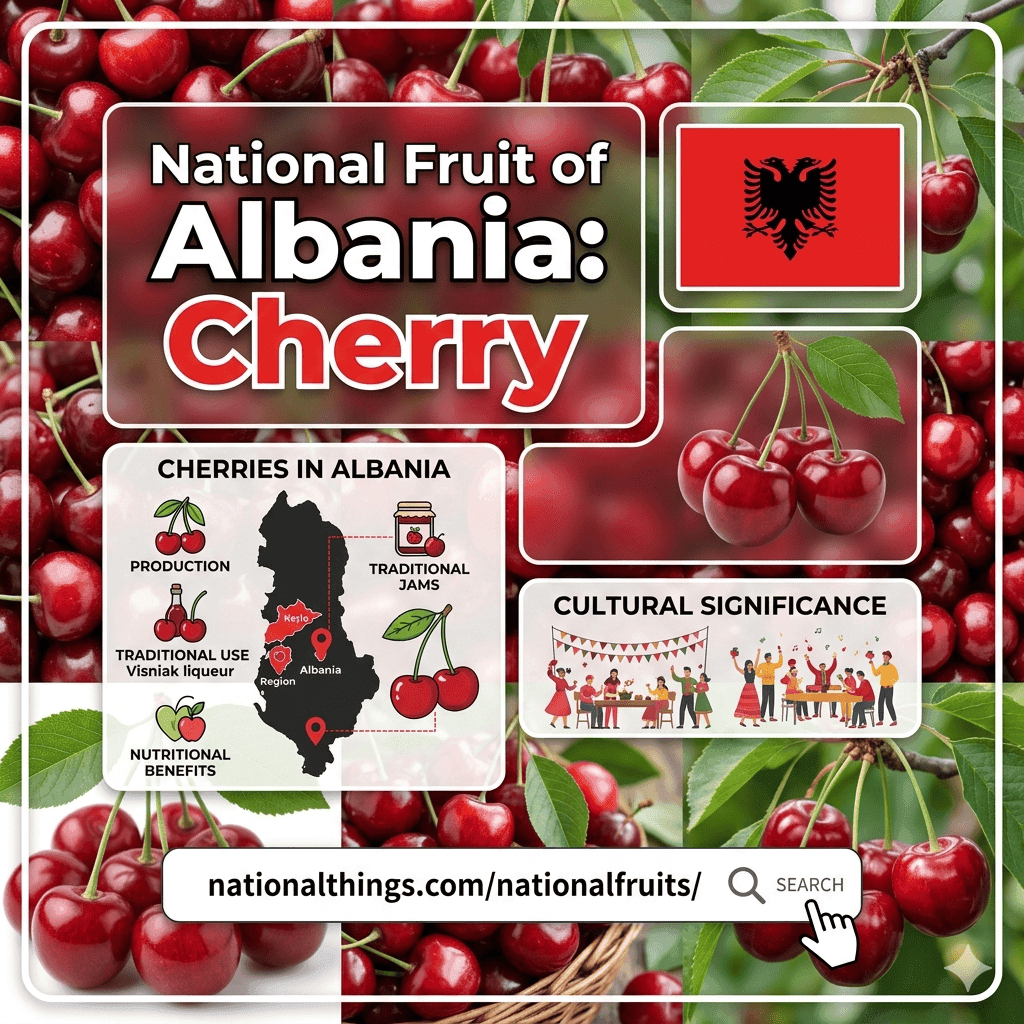
National Fruit of Albania Cherry: Meaning and History

The National Fruit of Albania is Cherry

National Fruit of Albania is the cherry, a fruit that plays a clear role in the country’s agriculture, food habits, and seasonal life. Farmers across regions like Korça and Berat grow cherries in large amounts due to suitable climate and fertile soil. During late spring, fresh cherries appear in every local market, and families start using them in daily meals. People value cherries not only for their taste but also for their strong link with tradition and local farming. This consistent presence in both rural and urban life has made…

Read More