
National Animal of India – History, Meaning and Facts
The National Animal of India is the Bengal tiger. It is one of the most powerful and beautiful wild animals…
The national fruit of China is widely recognized as the kiwi fruit, a crop that originated in China and later spread across the world. This fruit grows on climbing vines and is known for its green or golden flesh packed with nutrients. In China, kiwi fruit is not just a farm product but also an important part of agricultural development and international trade. It carries a long history that connects wild forest plants to modern large-scale farming. Today, China leads global kiwifruit production, shaping both supply and research in this sector. Understanding kiwi fruit helps explain how China turned a native plant into a globally consumed fruit with strong economic and nutritional value.
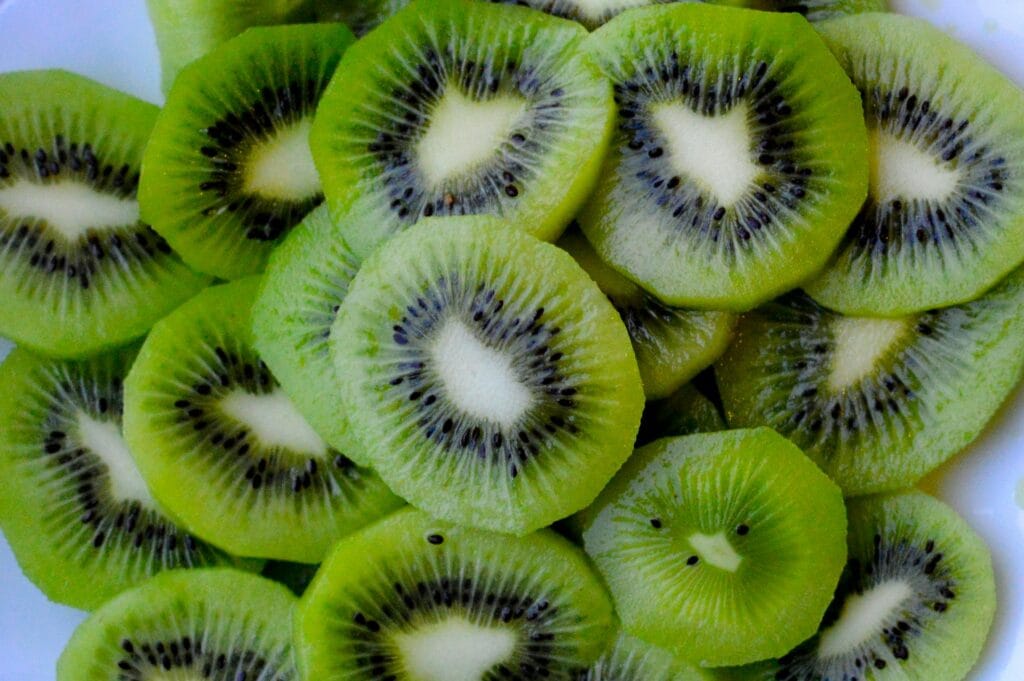
The National Fruit of China is a widely discussed term that refers to the kiwi fruit. The keyword National Fruit of China is often linked with kiwi because China is the original home of this fruit and also the largest producer in the world today. Many people are surprised to learn that kiwi fruit did not originally come from New Zealand, even though it is now strongly associated with that country.
Kiwi fruit grows on a woody vine and has a brown fuzzy skin with bright green or golden flesh inside. It contains small black seeds and a juicy texture. The taste is a mix of sweet and slightly sour. In China, kiwi fruit is known locally as yang tao in many regions.
China plays a central role in the global kiwi fruit industry. Modern agricultural research and large-scale farming systems have helped China turn this fruit into a major export product. Today, kiwi fruit is eaten worldwide in homes, restaurants, and processed food industries.
Kiwi fruit is often called the National Fruit of China because of three strong reasons: origin, production, and cultural value.
First, the fruit originally grows wild in China, especially in the Yangtze River valley. Farmers in China started domesticating and improving the fruit long before it became popular globally.
Second, China produces more kiwi fruit than any other country. According to FAO-based agricultural data, China contributes around 50% of the world’s kiwi production.
Source: https://www.fao.org/faostat/
Third, kiwi fruit has become a symbol of modern Chinese agricultural success. It shows how traditional crops can become global commodities through science and farming innovation.
Because of these reasons, the term National Fruit of China is strongly associated with kiwi fruit in global discussions.
Kiwi fruit has a long natural history in China. Wild varieties grew in forests and river valleys for hundreds of years. Local people collected the fruit mainly for food and traditional medicine uses.
In the early 20th century, Chinese farmers began to cultivate kiwi fruit more systematically. However, global attention increased only after seeds were taken to New Zealand in the early 1900s. There, farmers improved the fruit and renamed it “kiwifruit.”
China later invested heavily in kiwi farming again in the late 20th century. Research centers in Shaanxi and Sichuan provinces developed better varieties. These efforts helped China regain its position as the global leader in kiwi production.
Today, China not only grows kiwi fruit at scale but also exports technology and plant varieties to other countries.
The National Fruit of China holds cultural meaning in rural and urban life. In farming communities, kiwi fruit represents progress and better income. Many farmers consider it a reliable cash crop.
In Chinese food culture, kiwi fruit is valued for its freshness. It is often eaten as a snack, added to fruit bowls, or used in desserts. It is also a common gift during festivals because it symbolizes health and vitality.
In traditional beliefs, fruits with strong nutritional value are linked to balance and wellness. Kiwi fruit fits this idea due to its high vitamin content.
Modern Chinese culture also connects kiwi fruit with innovation in agriculture. Large kiwi orchards in provinces like Shaanxi show how science has improved farming methods.
Kiwi fruit belongs to the Actinidia genus. It naturally grows in China’s mountain regions with mild and humid climates. The plant is a climbing vine that needs support structures like trellises.
The global spread of kiwi fruit began when seeds were exported from China to New Zealand in the early 1900s. New Zealand farmers improved the fruit and made it commercially successful. This is why many people mistakenly believe kiwi originated there.
Over time, kiwi fruit spread to Italy, Chile, Greece, and the United States. However, China remains the genetic origin and the largest producer.
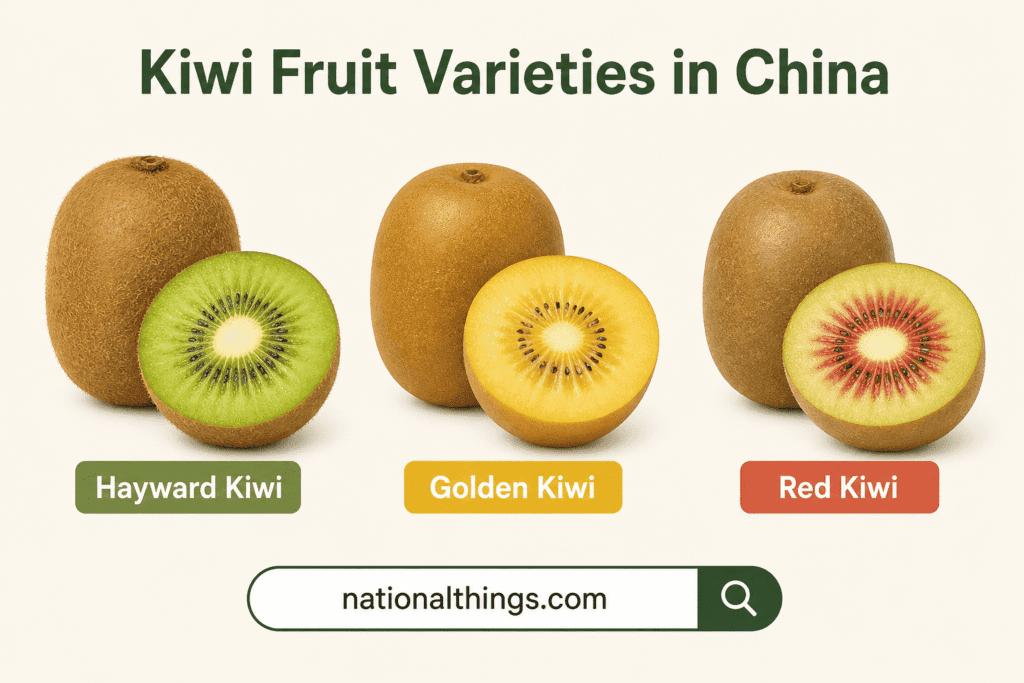
China grows several kiwi fruit varieties with different taste profiles and colors.
These varieties help China supply different global markets with diverse kiwi options.
Kiwi fruit is known for its strong nutritional profile. It is rich in vitamin C, vitamin K, fiber, and antioxidants.
Key nutritional benefits include:
Studies show that kiwi fruit contains more vitamin C per 100 grams than oranges. This makes it a strong natural option for immune support.
Regular consumption of kiwi fruit is linked to better digestive balance and reduced oxidative stress in the body.
The kiwi fruit industry plays a major role in China’s agricultural economy. Large farming regions in Shaanxi, Sichuan, and Henan depend heavily on kiwi production.
China exports kiwi fruit to Asia, Europe, and North America. The fruit is sold fresh, dried, or processed into juices and snacks.
Key economic points:
The kiwi industry also supports packaging, transportation, and agricultural research sectors.
Kiwi fruit is used in many ways beyond fresh eating.
Common uses include:
Food industries also use kiwi extracts in health drinks and supplements. Its natural enzymes make it useful in both culinary and industrial applications.
| Category | Details |
|---|---|
| Fruit Name | Kiwi Fruit |
| Scientific Genus | Actinidia |
| Origin | China |
| Major Producers | China, New Zealand, Italy |
| China’s Global Share | Around 50% of global production |
| Key Nutrients | Vitamin C, Vitamin K, Fiber |
| Main Uses | Fresh eating, juice, desserts, supplements |
| Popular Varieties | Hayward, Golden, Red Kiwi |
Yes, kiwi fruit is commonly associated with the National Fruit of China because it originates from China and is produced there in the highest quantity.
No. Kiwi fruit originally comes from China. New Zealand improved and commercialized it later.
No. Kiwi fruit originally comes from China. New Zealand improved and commercialized it later.
It supports agriculture, exports, rural income, and global food trade.
Hayward kiwi is the most widely grown and exported variety.
Yes. It is rich in vitamin C, fiber, and antioxidants, which support immunity and digestion.
Related Articles: