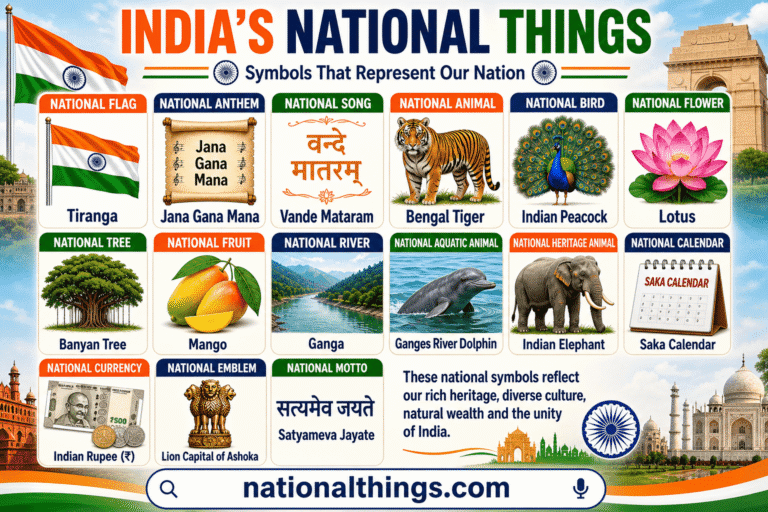
National Things of India: Explained with Symbols and Importance
India’s National Things are a set of official symbols that represent the identity, culture, and values of the country in…
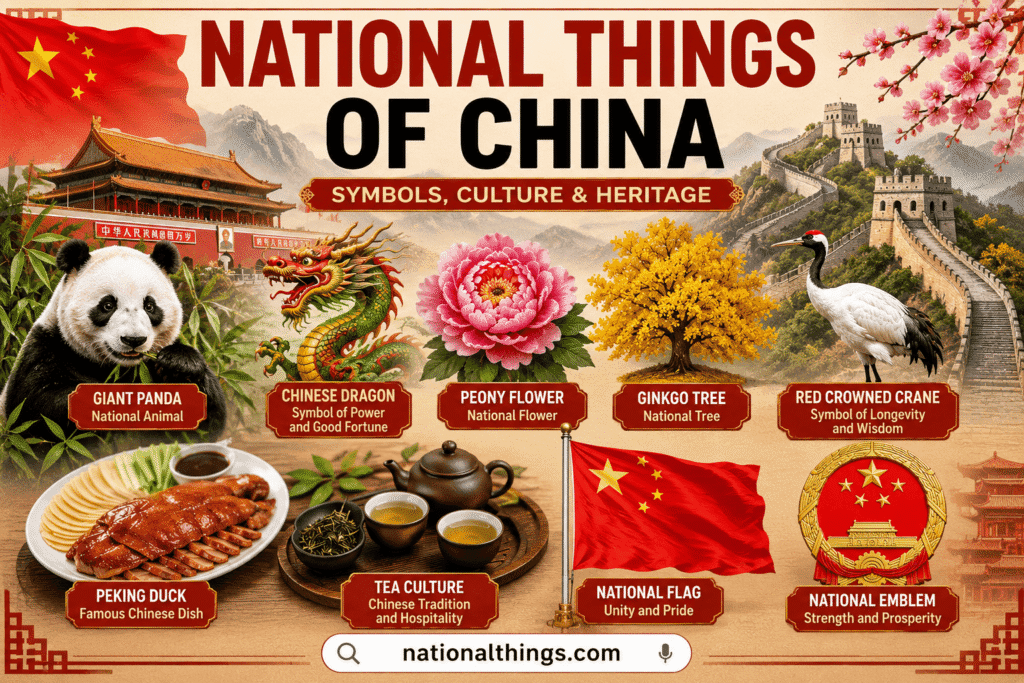
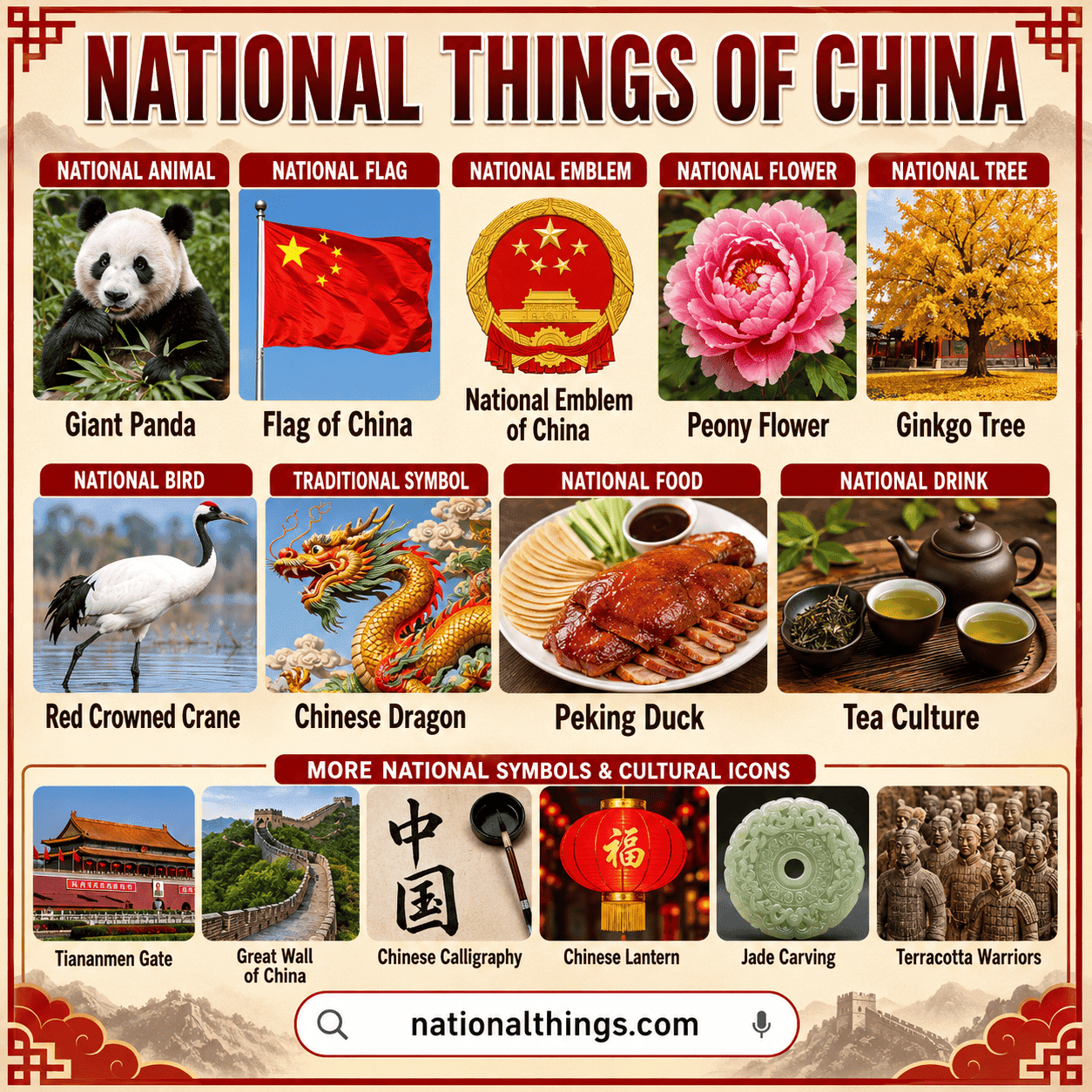
National Things of China show the culture history traditions and identity of one of the oldest civilizations in the world. China has many famous national symbols that people recognize across the globe such as the giant panda, Chinese dragon, peony flower, tea culture, and the red national flag. These symbols are not only part of Chinese history but also part of daily life festivals tourism art and international relations. Some of them started thousands of years ago during ancient dynasties while others became national icons in modern times. Each symbol carries a special meaning. The panda represents peace and friendship. The dragon stands for power and wisdom. Tea reflects respect hospitality and traditional lifestyle. Learning about the National Things of China helps readers understand how China preserves its heritage and presents its culture to the modern world.
National Things of China include the country’s official symbols animals plants foods cultural icons and historical emblems that represent Chinese identity. These symbols show China’s long history strong traditions and national pride. Some are officially recognized by the government while others became famous through culture and history.
China is one of the world’s oldest civilizations. It has more than 5000 years of recorded history. Because of this long past many national symbols carry deep meaning. The giant panda stands for peace and friendship. The red flag represents unity and revolution. The dragon shows strength and wisdom in Chinese culture.
These national things help people understand what China values. They also play a big role in tourism education art diplomacy and cultural exchange.
National symbols help countries build identity. In China these symbols connect modern life with ancient traditions. Schools teach children about them from an early age. Tourists learn about them while visiting famous sites and museums.
China uses many of these symbols during international events. The giant panda often appears in global campaigns and diplomatic programs. Chinese tea culture appears in trade fairs and tourism ads. The national flag is displayed during festivals sports events and government ceremonies.
These symbols also support the economy. Panda tourism brings millions of visitors every year. Traditional crafts tea exports and cultural products create jobs and income across the country.
Many Chinese national symbols started thousands of years ago. Ancient dynasties used dragons phoenixes jade and special flowers in royal ceremonies. Emperors wore dragon robes to show power. Noble families planted peony flowers because they symbolized wealth and honor.
The modern national flag was adopted in 1949 after the founding of the People’s Republic of China. The red color honors the Chinese revolution. The five stars represent unity between the Communist Party and the Chinese people.
The giant panda became a global symbol during the twentieth century. China began “panda diplomacy” in the 1950s. The government gifted pandas to friendly countries to improve international relations.
Tea also became part of Chinese identity early in history. Archaeologists found evidence of tea drinking in China from more than 2000 years ago. Chinese traders later spread tea culture across Asia Europe and the Middle East through trade routes.
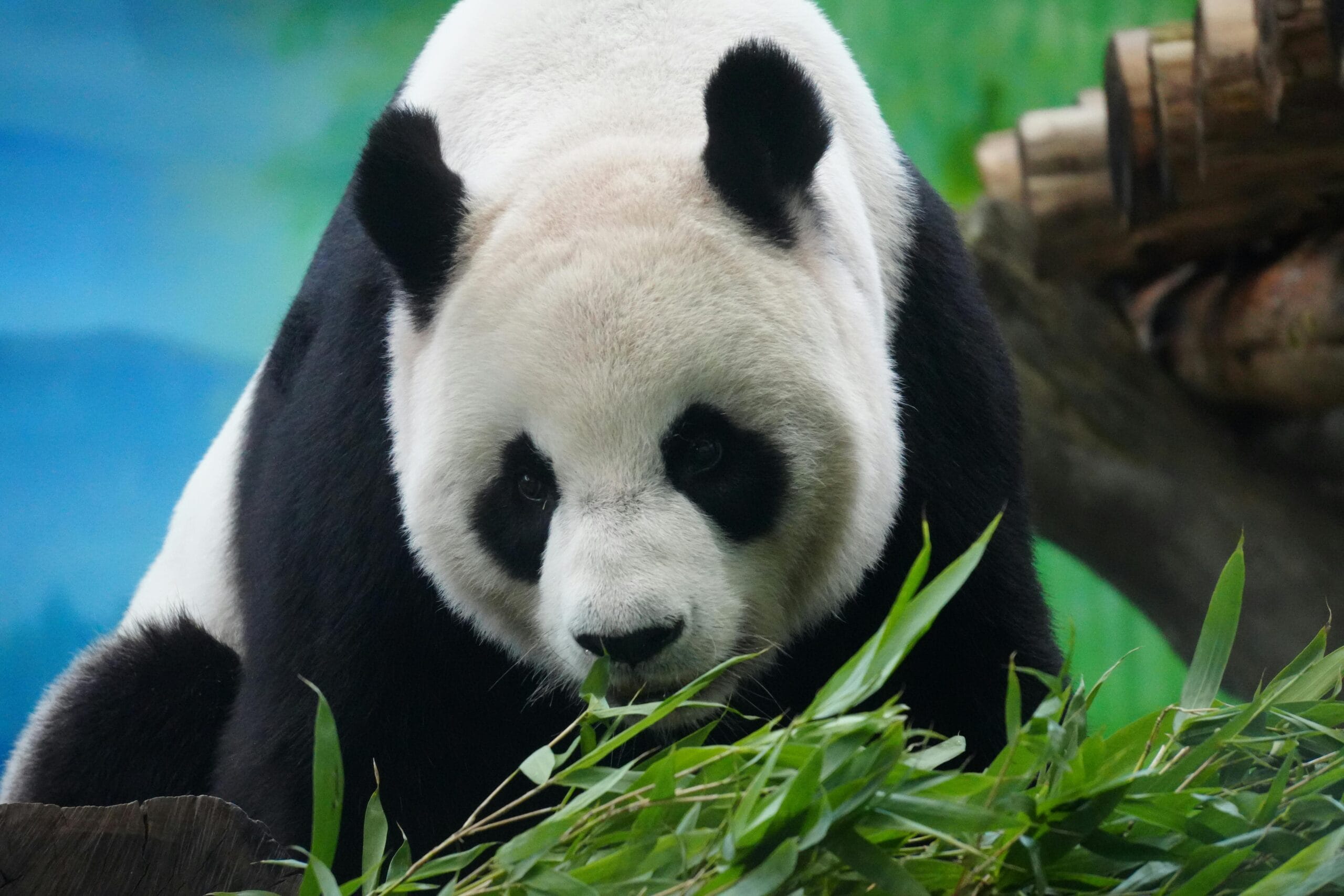
The giant panda is the most famous national animal of China. Pandas live mainly in Sichuan Shaanxi and Gansu provinces. They spend most of the day eating bamboo. An adult panda can eat up to 38 kilograms of bamboo daily.
China protects pandas through large nature reserves. The country created the Giant Panda National Park in 2021. The park covers more than 27000 square kilometers. It helps protect panda habitats and other wildlife.
According to the World Wildlife Fund there are around 1860 giant pandas living in the wild today. Conservation programs helped increase their population over the last few decades.
Pandas also play a role in diplomacy. China loans pandas to foreign zoos as part of cultural partnerships. These agreements often include wildlife research and breeding programs.
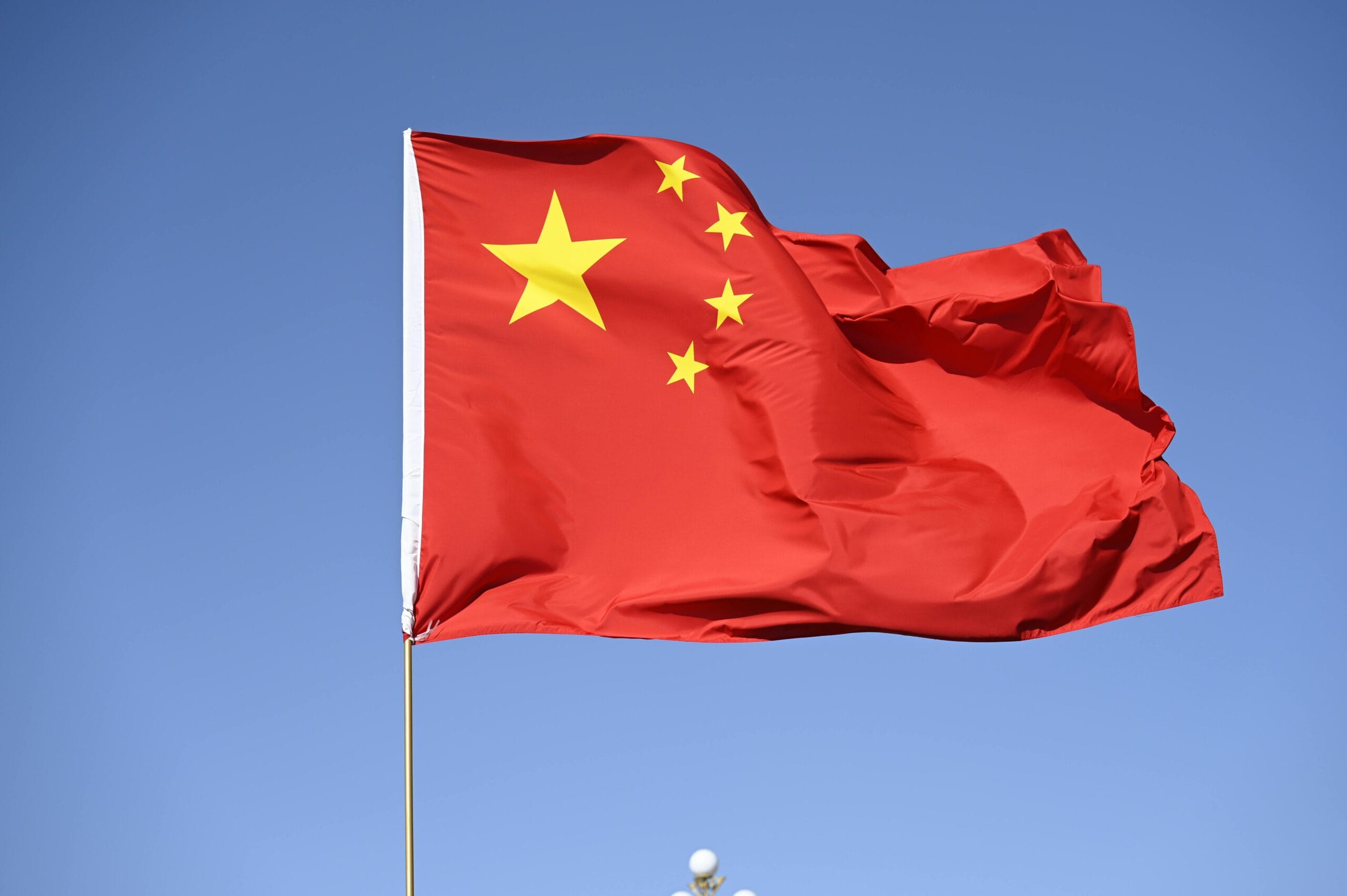
China’s national flag is red with five yellow stars. One large star stands near the top left corner. Four smaller stars form a curve beside it.
The red color represents revolution and sacrifice. The large star represents the Communist Party of China. The smaller stars stand for the unity of the Chinese people.
The flag was officially adopted on October 1 1949. People raise it during national holidays military events and school ceremonies.
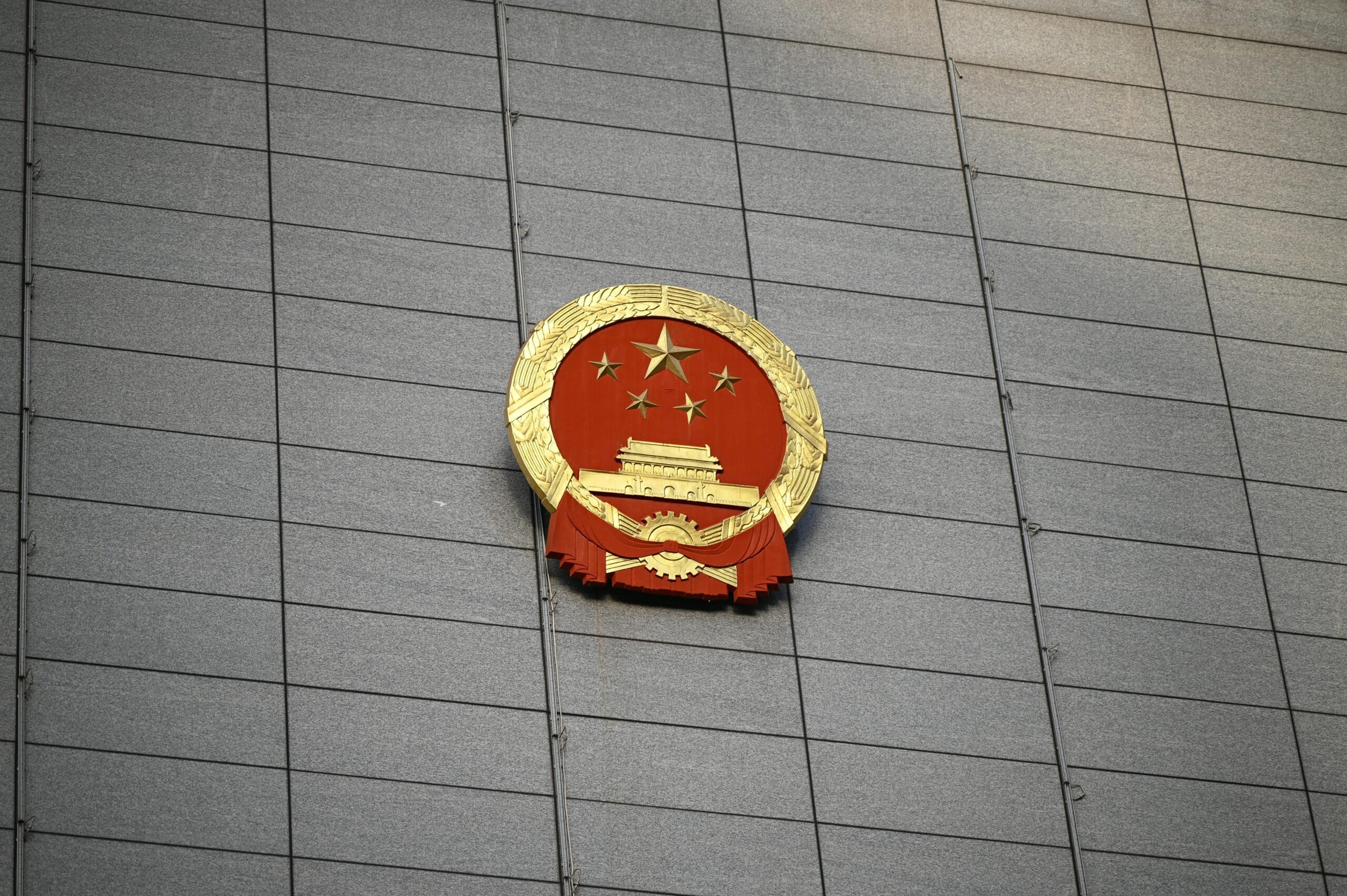
The national emblem includes Tiananmen Gate five stars wheat ears and a gear wheel. Tiananmen Gate is an important historical site in Beijing. The wheat and gear symbolize workers and farmers.
The emblem appears on passports government buildings coins and official documents.
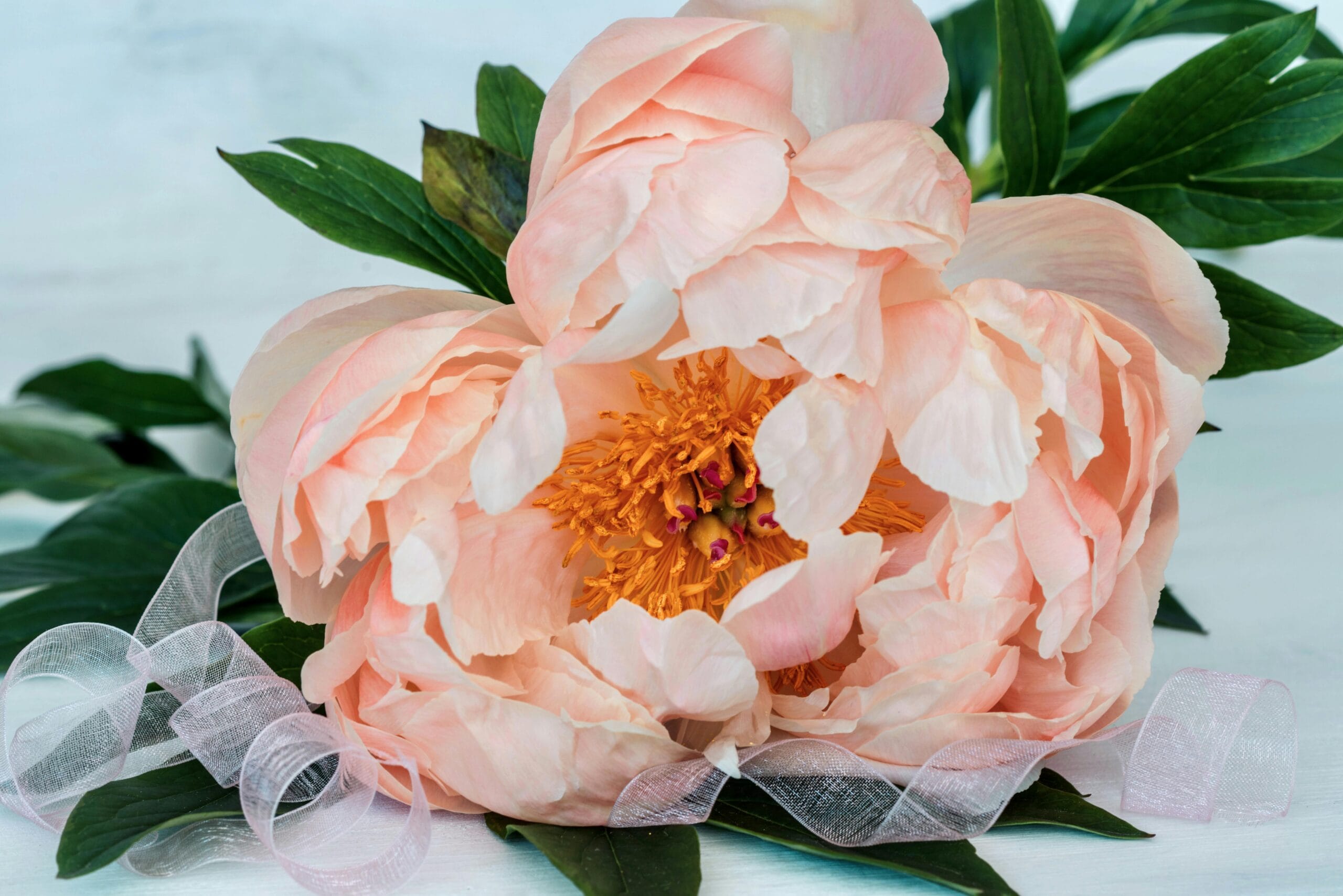
The peony is widely known as China’s national flower although China has debated the official status for years. Chinese people call it the “King of Flowers.” It symbolizes wealth beauty and honor.
Peonies became popular during the Tang Dynasty from 618 to 907 AD. Royal families planted them in palace gardens. Today cities like Luoyang hold peony festivals every year that attract thousands of visitors.
Chinese artists often paint peonies on silk porcelain and furniture. The flower appears in fashion embroidery and wedding decorations.

The ginkgo tree is one of the oldest tree species on Earth. Some trees in China are more than 1000 years old. Ginkgo leaves turn bright yellow in autumn and attract tourists from around the world.
Chinese temples often plant ginkgo trees because they symbolize peace long life and strength.
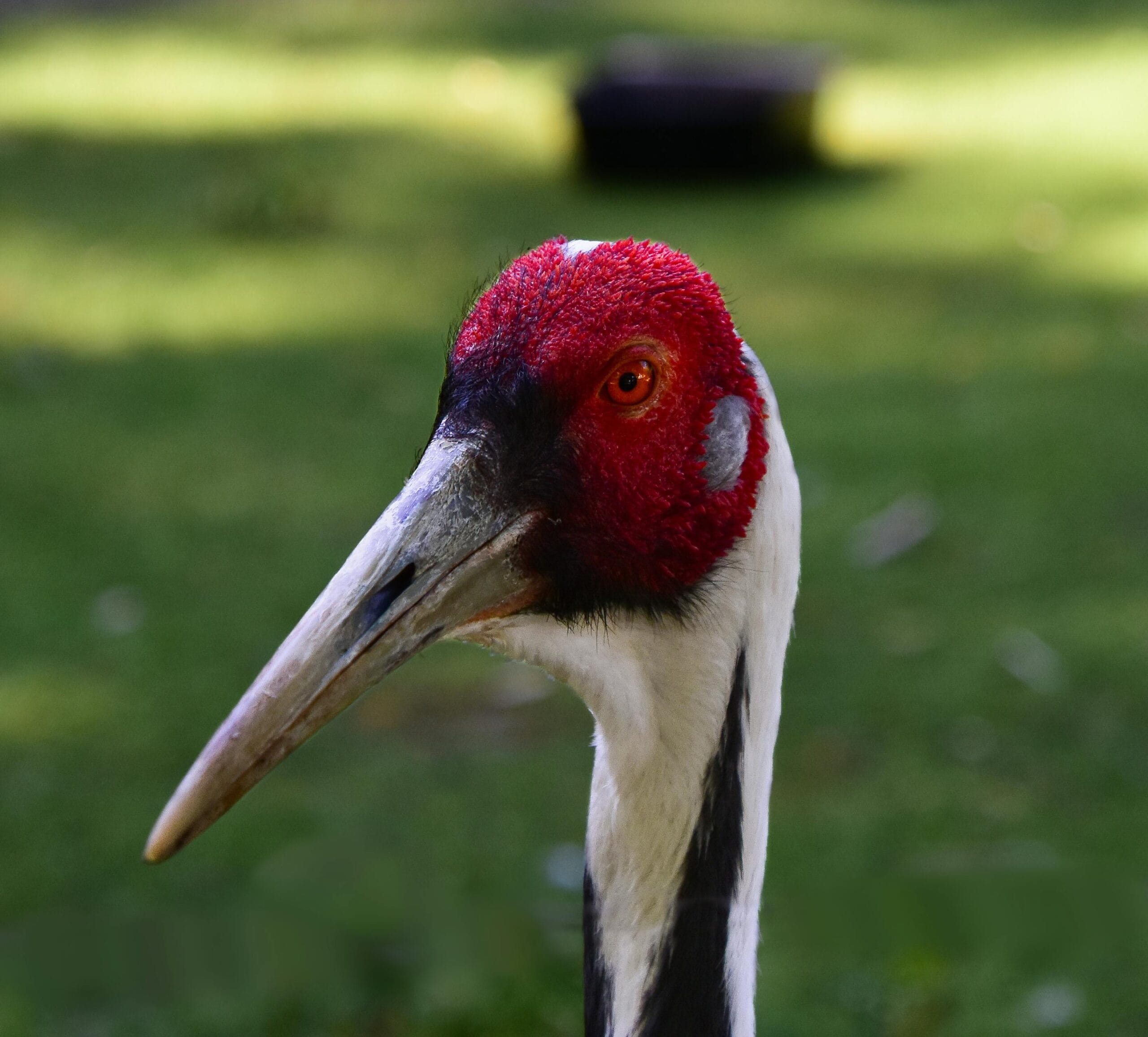
The red crowned crane is an important bird in Chinese culture. It represents long life wisdom and loyalty. Ancient Chinese paintings often showed cranes beside pine trees and mountains.
The bird lives in wetlands and marshes in northeastern China. Conservation projects now protect its habitat because wetland loss reduced crane populations in the past.
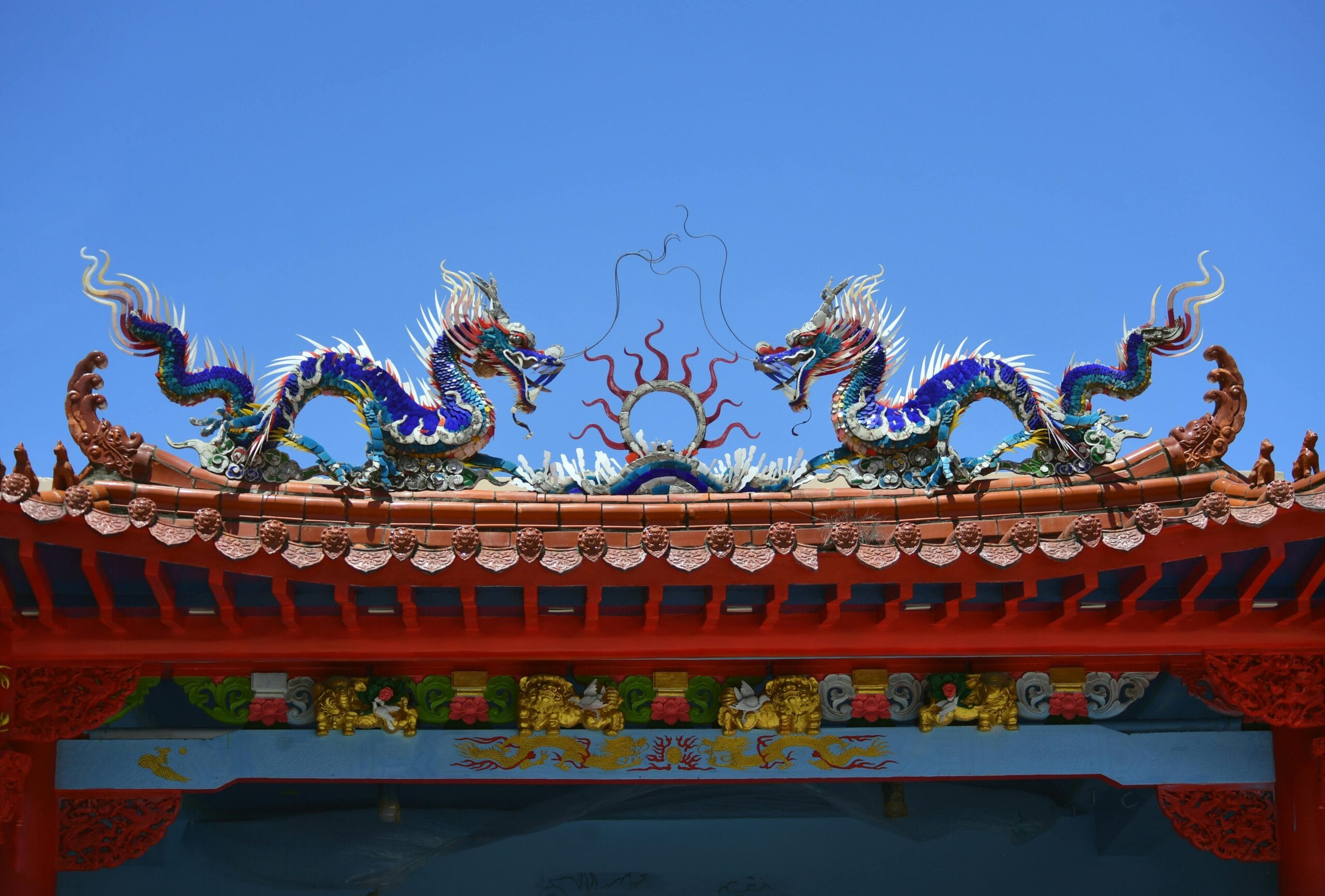
The dragon is one of the strongest cultural symbols in China. Unlike Western dragons Chinese dragons are not evil. They represent power luck wisdom and protection.
Ancient emperors used dragon symbols on clothing furniture and palace walls. During Chinese New Year dragon dances take place across the country. Large teams carry colorful dragon figures through streets while drums and music play.

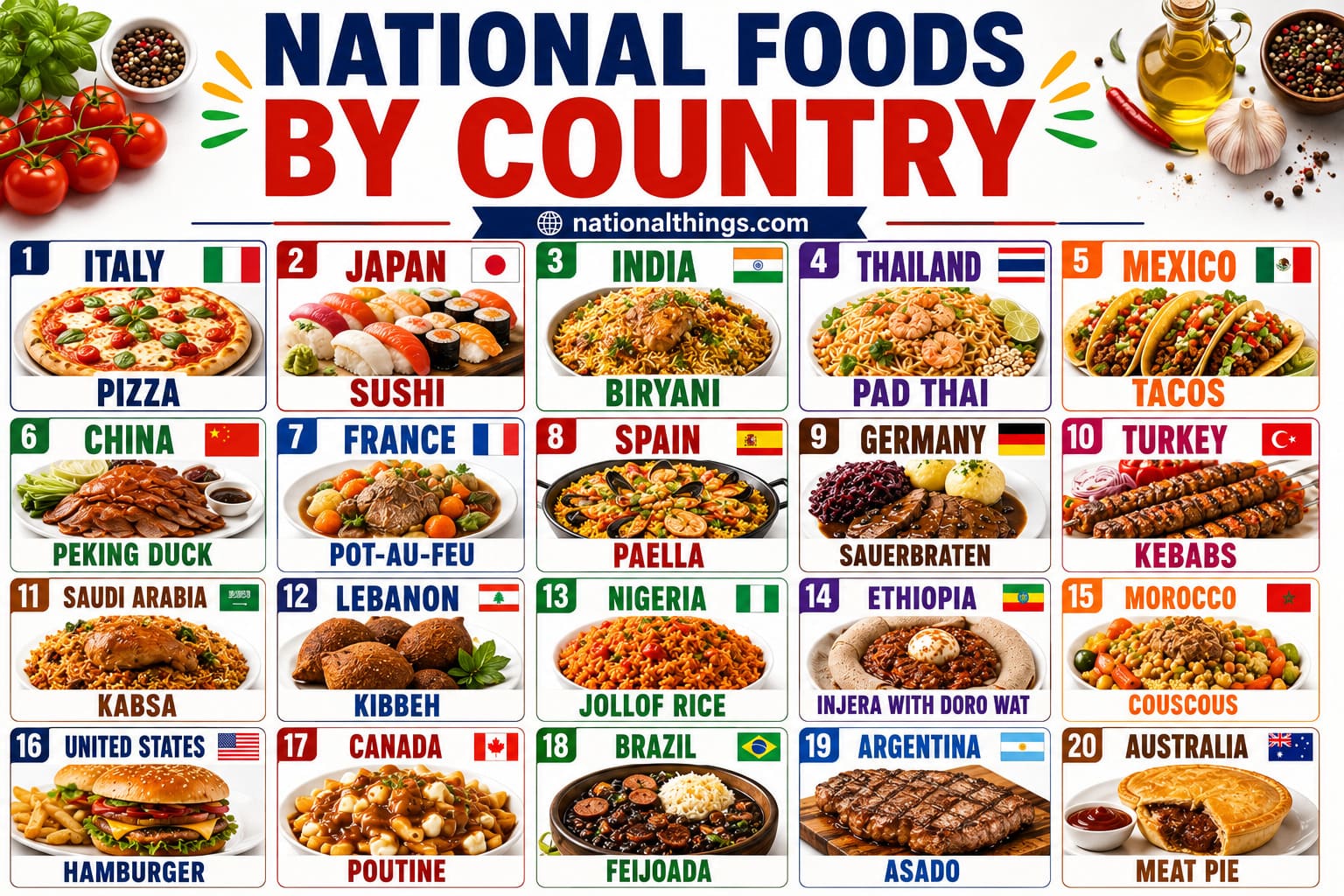
Peking Duck is one of China’s most famous dishes. The meal comes from Beijing and dates back to imperial times. Chefs roast the duck until the skin becomes thin and crispy.
Restaurants usually serve it with pancakes cucumber onions and sweet bean sauce. Visitors from around the world travel to Beijing to try authentic Peking Duck.

Tea is deeply connected to Chinese daily life. China is the world’s largest tea producer. Famous Chinese teas include Longjing Oolong Pu’er and Jasmine tea.
Tea culture includes special preparation methods tea houses and ceremonies. Families often serve tea to guests as a sign of respect.
In 2022 UNESCO added traditional Chinese tea processing techniques to its cultural heritage list. This recognition showed the global importance of Chinese tea culture.
National Things of China appear in festivals schools movies literature and architecture. During Lunar New Year families decorate homes with dragon images red lanterns and flowers. Children learn traditional stories about pandas dragons and famous emperors.
Chinese calligraphy and paintings also use national symbols. Artists paint bamboo cranes mountains and peonies to express ideas like peace honesty and success.
Many Chinese traditions connect directly with these symbols. Tea ceremonies teach patience and respect. Dragon dances encourage teamwork and community spirit.
China earns large tourism income from cultural attractions connected to national symbols. Panda reserves in Sichuan attract millions of visitors every year. Historic cities like Beijing Xi’an and Luoyang use traditional symbols in tourism campaigns.
Tea exports support farmers and factories across many provinces. China exported billions of dollars worth of tea products in recent years. Silk art jade carvings and traditional crafts also create strong export markets.
Chinese festivals increase domestic tourism too. During Golden Week and Lunar New Year millions of people travel across the country to visit historic places and cultural events.
| National Thing | Symbolic Meaning | Famous Location |
|---|---|---|
| Giant Panda | Peace and friendship | Sichuan |
| Chinese Dragon | Power and luck | Nationwide festivals |
| Peony Flower | Wealth and beauty | Luoyang |
| Ginkgo Tree | Long life and strength | Temple gardens |
| Red Crowned Crane | Wisdom and loyalty | Northeastern wetlands |
| Peking Duck | Culinary heritage | Beijing |
| Chinese Tea | Respect and tradition | Zhejiang Fujian Yunnan |
| National Flag | Unity and revolution | Tiananmen Square |
China invests heavily in cultural preservation. The government protects historical buildings temples forests and wildlife reserves. Museums across the country display ancient paintings royal clothing pottery and traditional crafts.
Schools teach students about Chinese history art and cultural symbols. Television programs and online platforms also promote traditional culture to younger generations.
Conservation groups protect endangered animals like pandas and cranes. Scientists study breeding habitat restoration and climate impacts. China also works with international organizations on wildlife protection projects.
Many old towns and temples receive restoration work to preserve architecture and historical value. UNESCO has recognized several Chinese cultural traditions and landmarks as World Heritage sites.
Many countries use animals flowers and flags as national symbols but China’s symbols often come from ancient traditions instead of recent history.
Japan uses the cherry blossom as a national flower while China values the peony. India uses the Bengal tiger as a national animal while China uses the giant panda. Western dragons often appear as dangerous creatures but Chinese dragons symbolize wisdom and good fortune.
China also places strong importance on tea culture compared with many countries. Tea is not only a drink in China. It is part of hospitality religion art and social life.
The giant panda is China’s national animal. It represents peace friendship and wildlife conservation.
The peony is widely accepted as China’s national flower because it symbolizes beauty wealth and honor.
The panda is rare and native to China. It also became an international symbol of Chinese culture and diplomacy.
The most famous symbols include the giant panda Chinese dragon national flag peony flower tea culture and Peking Duck.
China does not have a fully official national bird but the red crowned crane is widely respected as a cultural symbol of long life and wisdom.
Related Articles: