List of National Flowers by Countries with Official Status
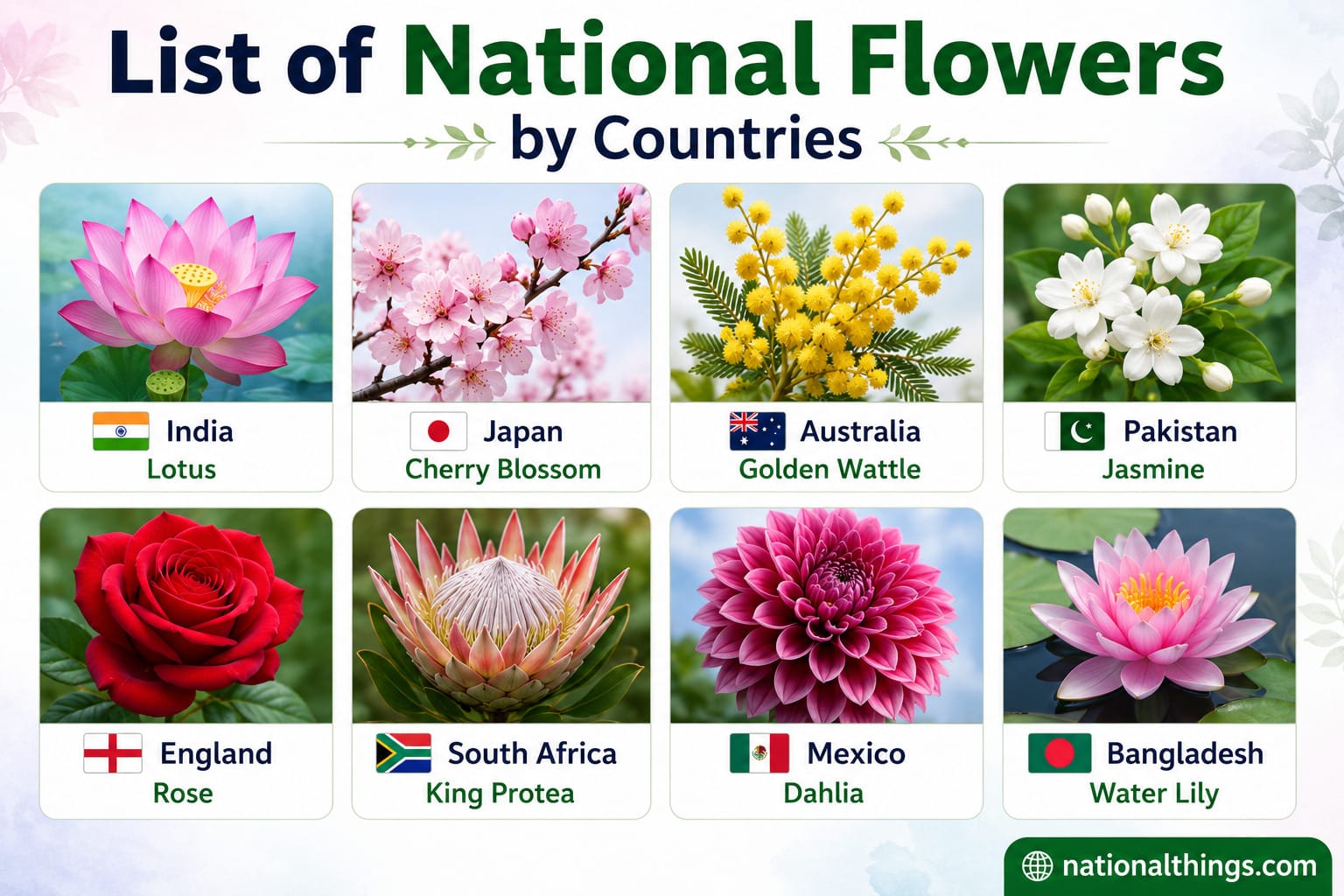
List of National Flowers by Countries

National flowers tell the story of a country in a simple but powerful way. This guide covers the national flowers of all 195 countries and explains which ones are official, widely recognized, or culturally associated. Many people believe every nation has an officially declared flower, but that is not always true. Some governments have legally adopted a floral symbol, while others have never made an official declaration. This article helps readers understand more than just a list of names. It explains what a national flower means, why different status badges…

Read More

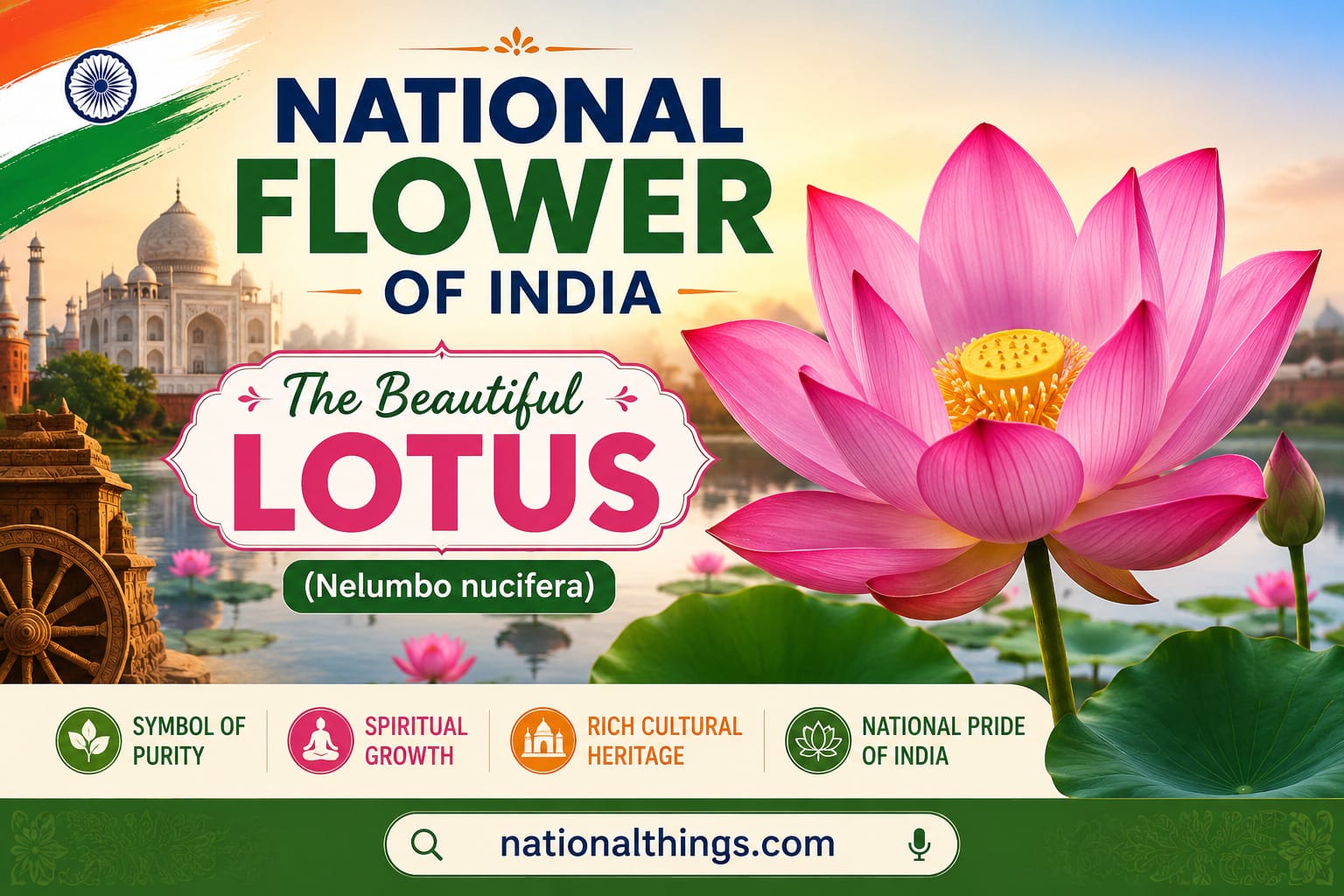
National Flower of India: Lotus, Meaning, Facts, and Significance

National Flower of India Explained with Meanings and History

The national flower of India is the Lotus, scientifically known as Nelumbo nucifera. This beautiful aquatic flower is recognized for its distinctive petals and ability to bloom above muddy water. The Lotus represents purity, beauty, spiritual growth, and resilience in Indian culture. It has deep connections with Hinduism, Buddhism, art, and traditional beliefs, making it an important symbol of India’s cultural and natural heritage. Its official recognition as the national flower reflects the country’s appreciation for its historical, religious, and symbolic significance. The Lotus holds a special place in Indian…

Read More

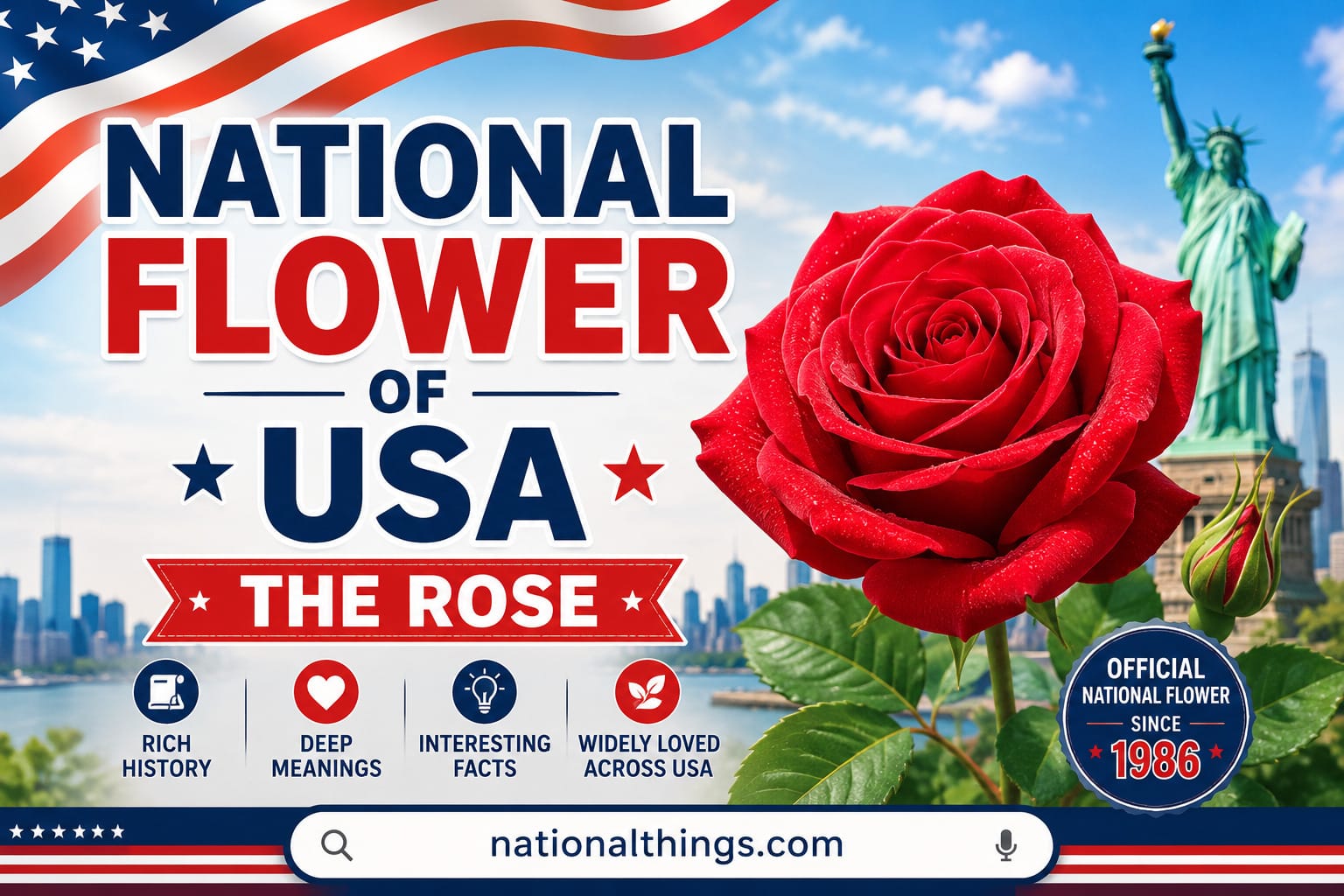
National Flower of the USA: The Rose, Meaning, History, and Facts

National Flower of USA Explained with Meanings and Facts

The national flower of the USA is the rose, officially designated by President Ronald Reagan on November 20, 1986. The rose is admired for its beauty, fragrance, and wide variety of colors, making it a meaningful symbol of American identity. It represents love, beauty, honor, courage, and unity. Although roses grow in many countries, the flower holds a special place in American history, culture, and traditions. Its recognition as the national flower reflects the nation’s appreciation for its natural beauty and the values associated with this timeless bloom. The rose…

Read More

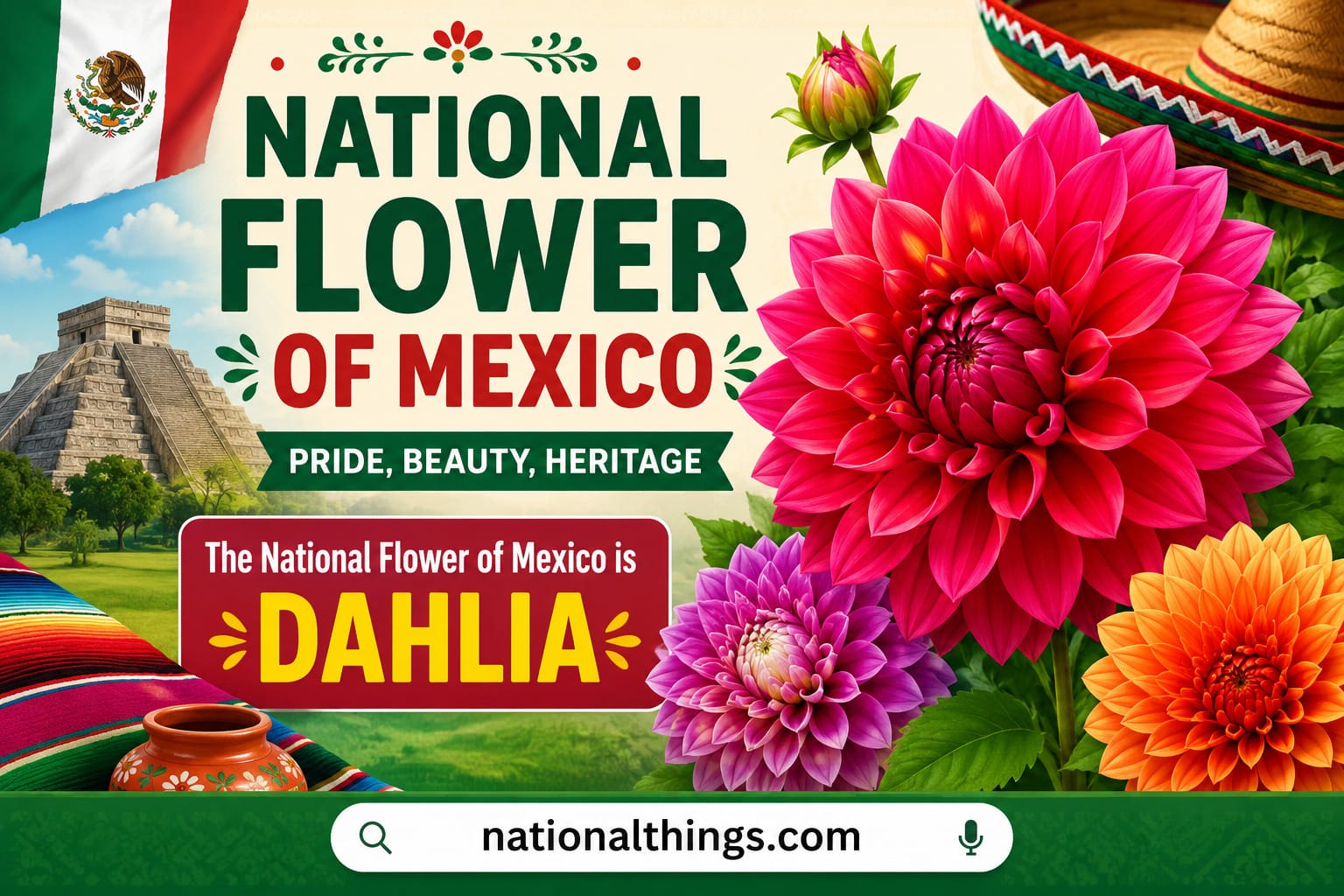
National Flower of Mexico: Dahlia, History, Meaning, and Facts

Mexican National Flower Explained with Meanings and History

The national flower of Mexico is the Dahlia, a flowering plant native to the country and an important part of its botanical heritage. Known for its colorful petals, distinctive shapes, and numerous varieties, the Dahlia represents beauty, elegance, creativity, and cultural pride. Its history in Mexico dates back to the Aztec civilization, which valued the plant for its ornamental, practical, and medicinal uses. The flower later gained international recognition and became popular in gardens worldwide. The Dahlia holds cultural and historical significance in Mexico because of its connection to the…

Read More

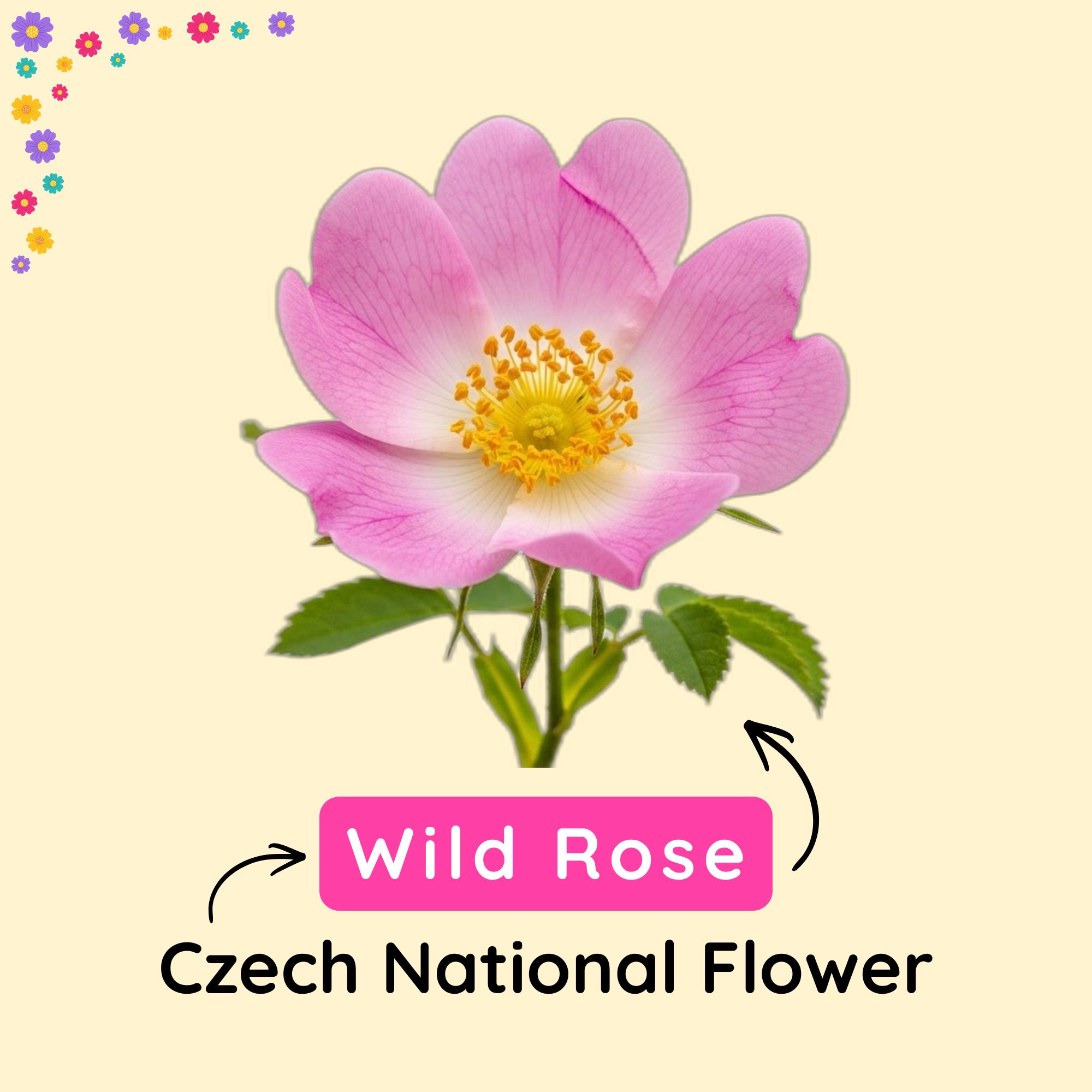
Czech National Flower: The Rose, Its Meaning, History, and Symbolism

Czech National Flower

The Czech national flower is commonly identified as the rose, a flower associated with love, beauty, admiration, and cultural traditions. Known as růže in Czech, the rose is widely grown in gardens across the Czech Republic and admired for its many colors and varieties. National symbols represent a country’s identity, history, and cultural heritage through recognizable emblems and traditions. This article explores the rose’s association with Czechia, its symbolic meanings, botanical characteristics, history, popular varieties, and famous rose gardens while examining whether it holds official national flower status. What Is…

Read More

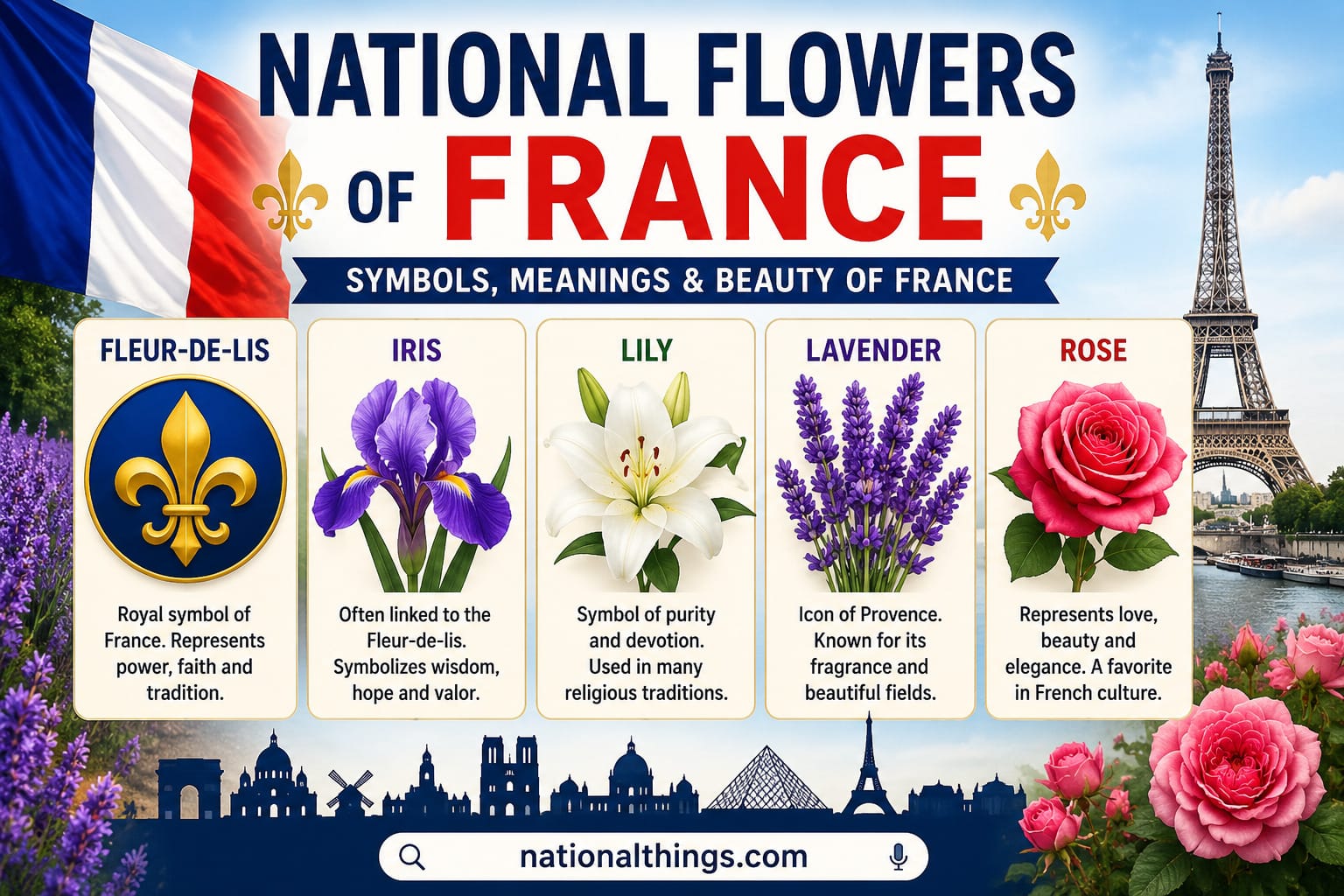
National Flowers of France: Iris and Fleur-de-Lis

What are the National Flowers of France

National Flowers of France are commonly associated with the iris, a distinctive flowering plant deeply connected to the country’s royal history and cultural heritage. Although the iris is widely described as France’s national flower, its official national designation is not clearly established. Much of the confusion comes from the fleur-de-lis, a traditional French emblem whose name translates to “flower of the lily.” For centuries, this stylized design appeared in French royal heraldry, architecture, and decorative art. Understanding the relationship between the iris, lily, and fleur-de-lis reveals an important part of…

Read More