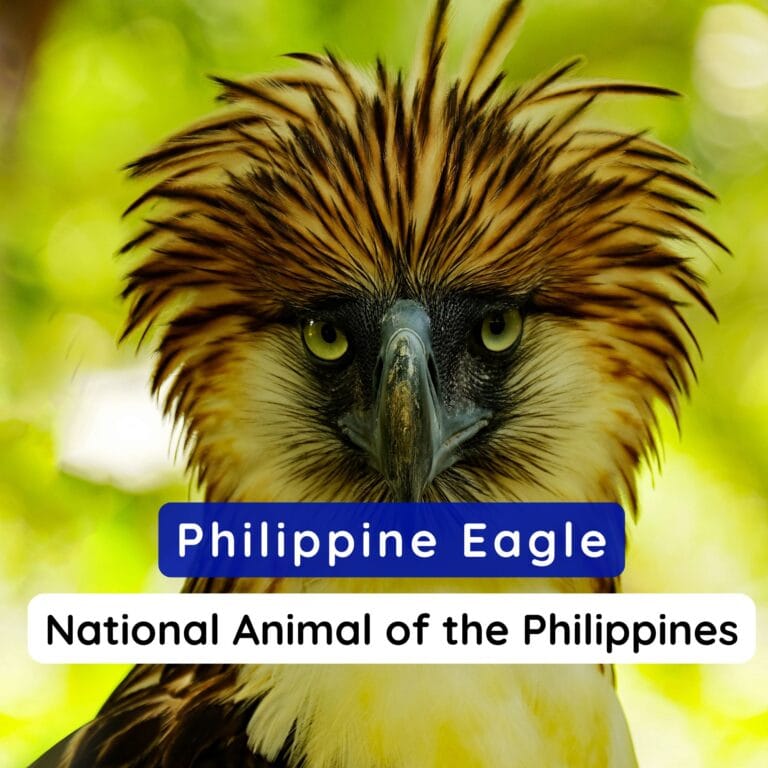


National Animal of South Korea
When we think about countries, many of them have symbols that represent their culture, nature, or history. South Korea is…
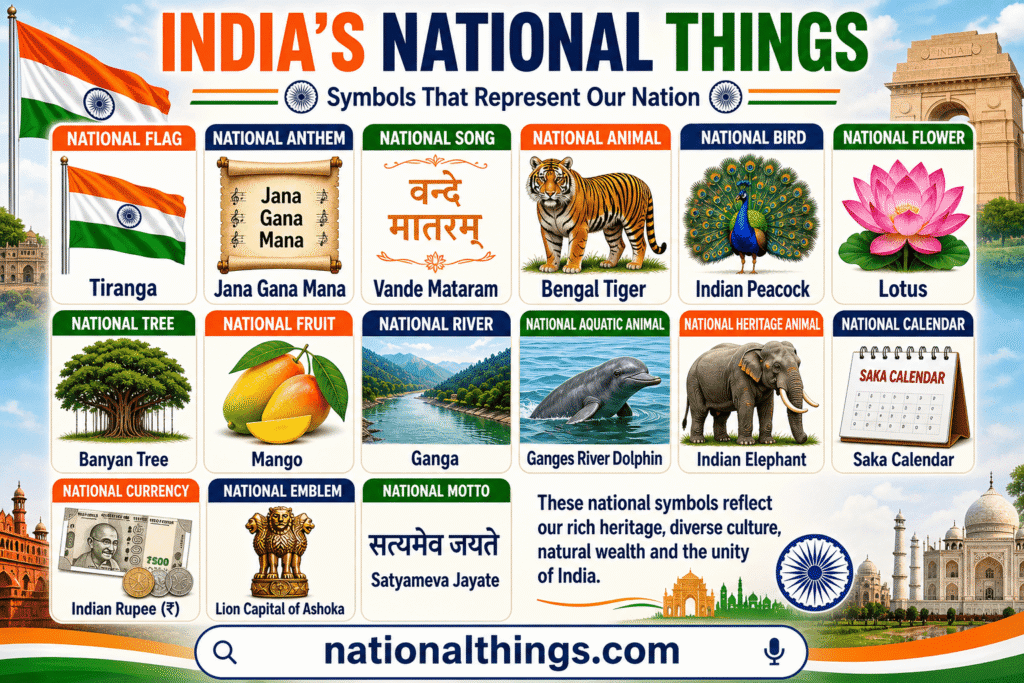
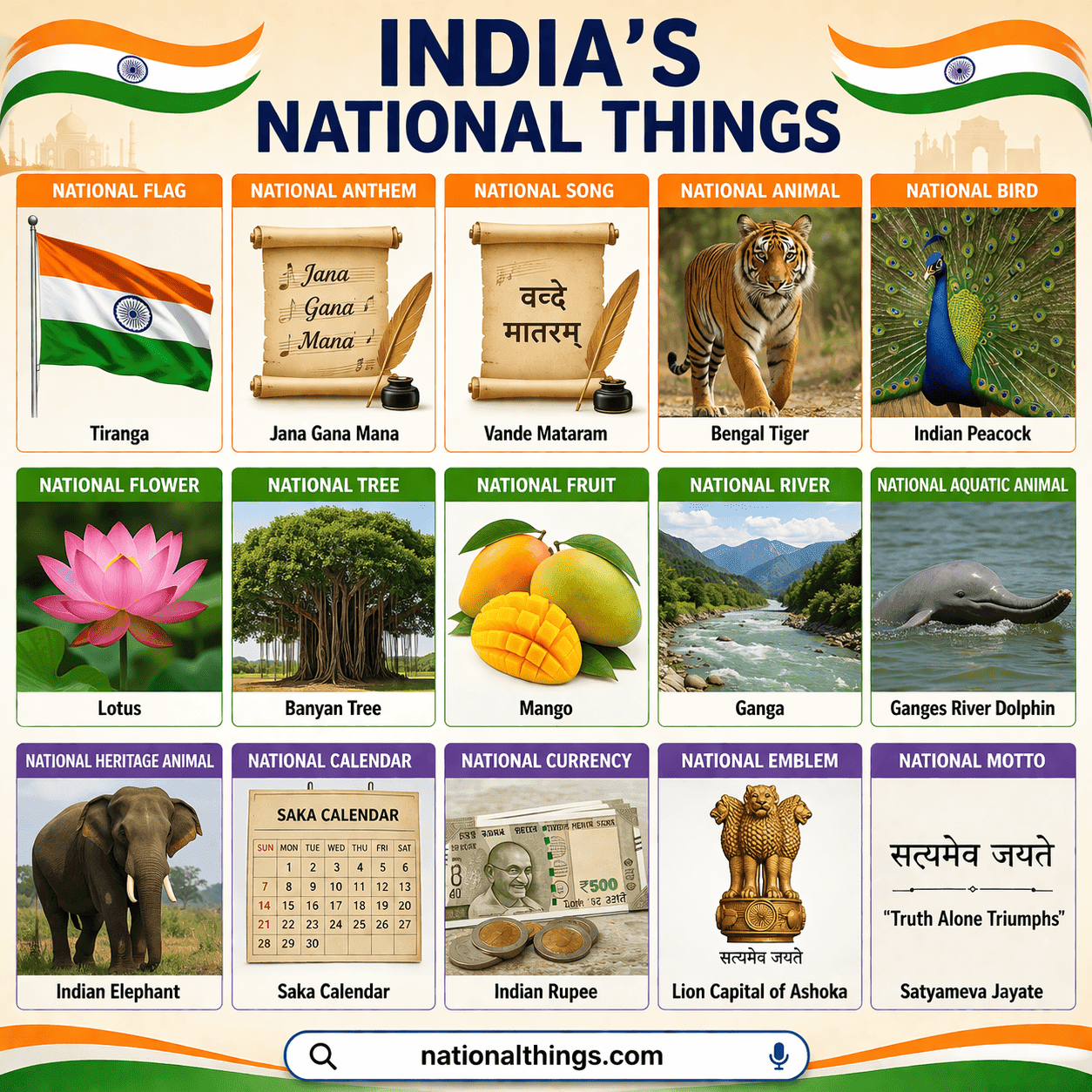
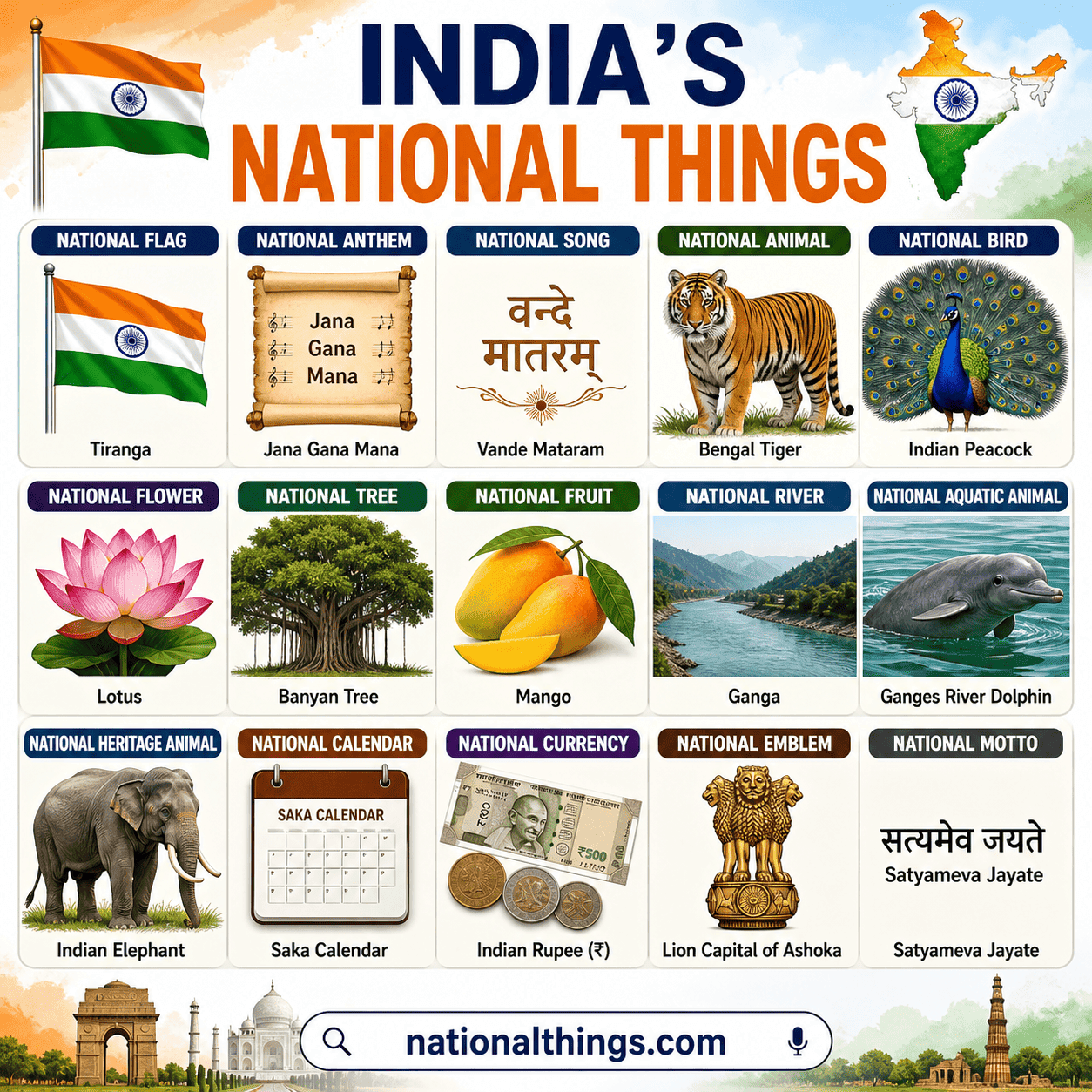
India’s National Things are a set of official symbols that represent the identity, culture, and values of the country in a simple and powerful way. These include the national flag, anthem, animal, bird, flower, and many other symbols that reflect India’s history and diversity. Each of these national things has a clear meaning and was chosen with purpose. They help people understand what India stands for and create a sense of unity among millions of citizens who speak different languages and follow different traditions. In this guide, you will learn the complete list of India’s National Things along with their meaning, importance, and real-life use.
India’s National Things are official symbols that represent the identity, culture, and values of the country. These include objects like the national flag, national animal, and national anthem. Each symbol has a clear meaning and a specific role in showing India’s history and unity.
The Government of India selects these symbols. They help people understand what the country stands for. Schools teach them to children, and they appear in public events and official documents.
India’s national things help build a strong national identity. They connect people from different regions, languages, and cultures. India has 28 states and many languages, so these symbols act as a common link.
For example, the national flag is used during Independence Day and Republic Day. It reminds citizens of freedom and unity. The national anthem is played at official events to show respect for the country.
These symbols also teach values like respect, pride, and responsibility.
Most of India’s national things were adopted after independence in 1947. Leaders wanted symbols that could represent the whole nation. They selected items that already had cultural or historical importance.
The national flag was adopted on 22 July 1947. The anthem “Jana Gana Mana” became official in 1950. Many natural symbols like the tiger and peacock were chosen later to show India’s rich wildlife.
Each symbol was selected after careful thought. Experts studied history, culture, and public opinion before final decisions.
The Indian flag has three colors. Saffron stands for courage. White stands for peace. Green stands for growth. The blue Ashoka Chakra in the center has 24 spokes. It shows law and progress.
“Jana Gana Mana” was written by Rabindranath Tagore. It takes about 52 seconds to sing. People stand when it is played as a sign of respect.
“Vande Mataram” is the national song. Bankim Chandra Chatterjee wrote it. It played a key role during the freedom movement.
The Bengal Tiger is the national animal. It shows strength and power. India has over 3,000 tigers, which is about 75 percent of the world’s wild tiger population according to WWF
https://www.worldwildlife.org/species/tiger
The Indian Peacock is the national bird. It represents beauty and grace. Its colorful feathers make it unique.
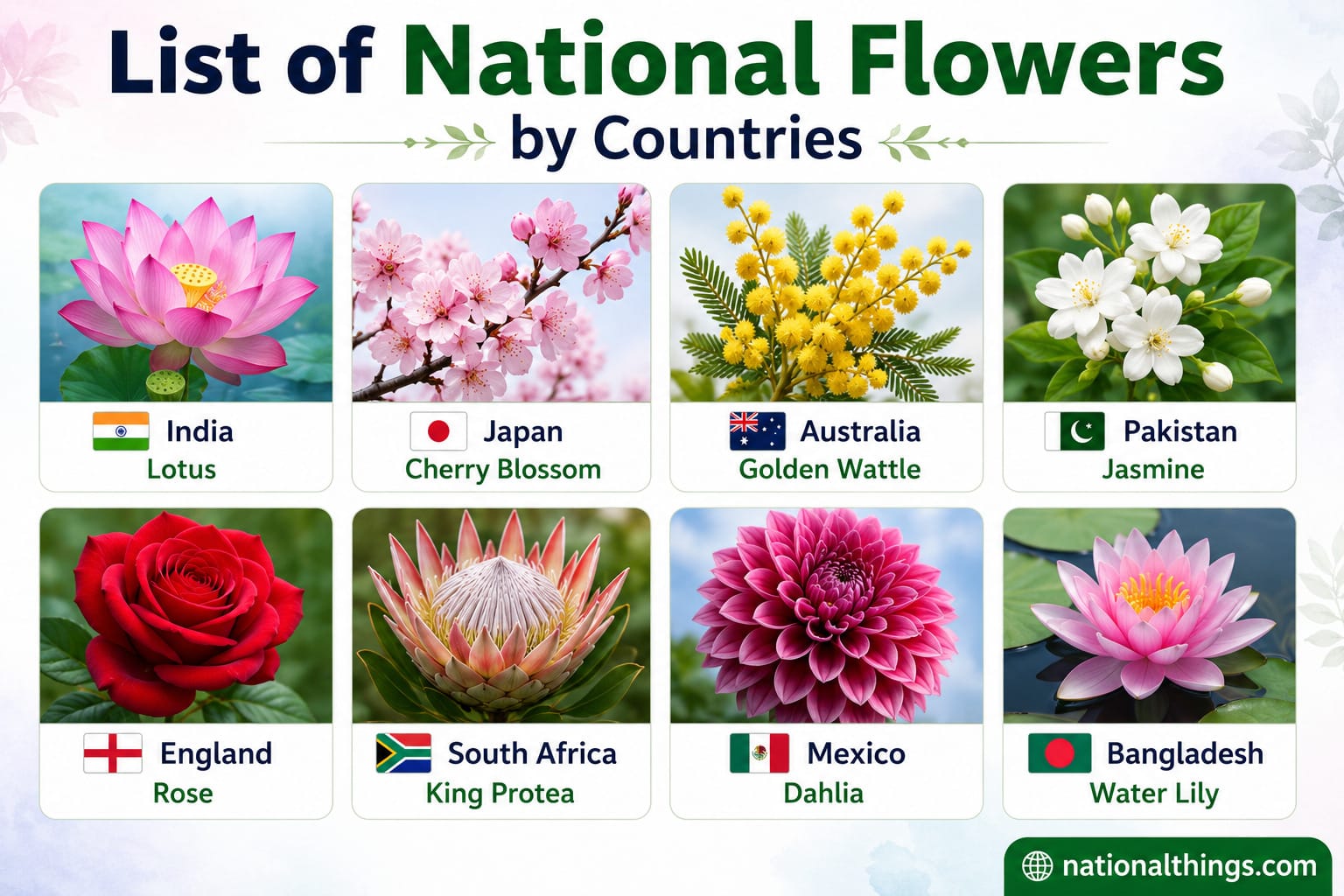
The Lotus is the national flower. It grows in muddy water but stays clean. It stands for purity and hope.
Related: National Flower of India
The Banyan tree is the national tree. It has long life and large roots. It gives shelter to many living beings.
The Mango is the national fruit. It is widely grown and loved across the country. India produces the largest amount of mangoes in the world.
The Ganga is the national river. It supports millions of people. It also holds deep religious importance.
The Ganges River Dolphin is the national aquatic animal. It lives in fresh water and shows the health of river systems.
The Indian Elephant is the national heritage animal. It represents wisdom and strength.
India uses the Saka Calendar as its national calendar. It runs along with the Gregorian calendar.
The Indian Rupee is the official currency. It is used in all financial transactions.
India’s national things reflect the culture of the country. Many symbols come from ancient traditions. For example, the lotus appears in religious texts and art.
The peacock is linked with Indian mythology. The banyan tree is a place for community gatherings in villages. These symbols are not random choices. They come from real cultural practices.
Festivals and ceremonies also use these symbols. This keeps traditions alive across generations.
India’s national things play a key role in politics and society. Leaders use them to promote unity and discipline. Laws protect these symbols from misuse.
For example, the Flag Code of India gives rules on how to use the national flag. People must not disrespect it. Schools teach these rules to students.
These symbols also help in international relations. When India participates in global events, these symbols represent the country.
These symbols show India’s biodiversity and natural wealth.
These symbols reflect history, language, and traditions.
These symbols are used in governance and administration.
These facts show why each symbol was selected.
India’s national things are used in daily life and official work. The flag is raised in schools and offices. The anthem is played at sports events and public gatherings.
Currency is used in markets and banks. The calendar helps in planning government work. Environmental programs use symbols like the tiger and dolphin to promote conservation.
These symbols are not just for display. They serve real purposes.
India has strict laws to protect national symbols. The Prevention of Insults to National Honour Act 1971 punishes disrespect.
These rules ensure respect and discipline.
| Category | Symbol | Meaning |
|---|---|---|
| Flag | Tricolor | Unity and values |
| Animal | Bengal Tiger | Strength |
| Bird | Peacock | Beauty |
| Flower | Lotus | Purity |
| River | Ganga | Life source |
| Currency | Rupee | Economy |
India has some unique facts about its national things. The peacock was declared the national bird in 1963. The tiger replaced the lion as the national animal in 1973 to support conservation.
The banyan tree can live for hundreds of years. The Ganges dolphin is almost blind but uses sound to move.
These facts make the symbols more interesting and meaningful.
The national flag is considered the most important because it represents the country in all official events.
India has more than 15 national symbols including animals, plants, and official items.
The Government of India decides these symbols based on cultural and historical value.
Yes, but it rarely happens. Changes require official approval and strong reasons.
They create unity, show identity, and represent the country on a global level.
Related Articles: