
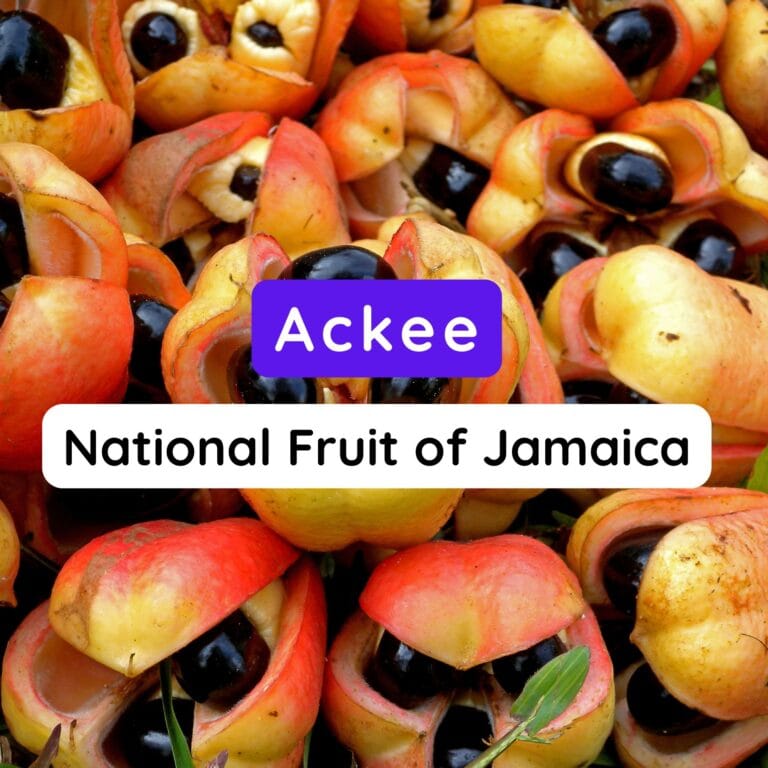
National Fruit of Jamaica: Ackee
Jamaica is famous for its vibrant culture, delicious cuisine, and tropical fruits. Among its many treasures, the national fruit of…
National flowers tell the story of a country in a simple but powerful way. This guide covers the national flowers of all 195 countries and explains which ones are official, widely recognized, or culturally associated. Many people believe every nation has an officially declared flower, but that is not always true. Some governments have legally adopted a floral symbol, while others have never made an official declaration.
This article helps readers understand more than just a list of names. It explains what a national flower means, why different status badges appear in the table, and how flowers become important parts of history, culture, tourism, religion, and public identity. When reliable government records exist, the flower is marked as Official. If no formal declaration is available but the flower is strongly connected with the country, it is marked as “Widely Recognized” or “Culturally Associated.” This approach gives you a clearer and more accurate picture instead of treating every flower the same.
Research also shows how important flowering plants are around the world. The Royal Botanic Gardens Kew has reported that scientists have studied hundreds of thousands of flowering plant species and continue to expand knowledge through global research projects, showing the huge diversity of flowers found across Earth. Source: https://www.kew.org/about-us/press-media/angiosperm-tree-of-life
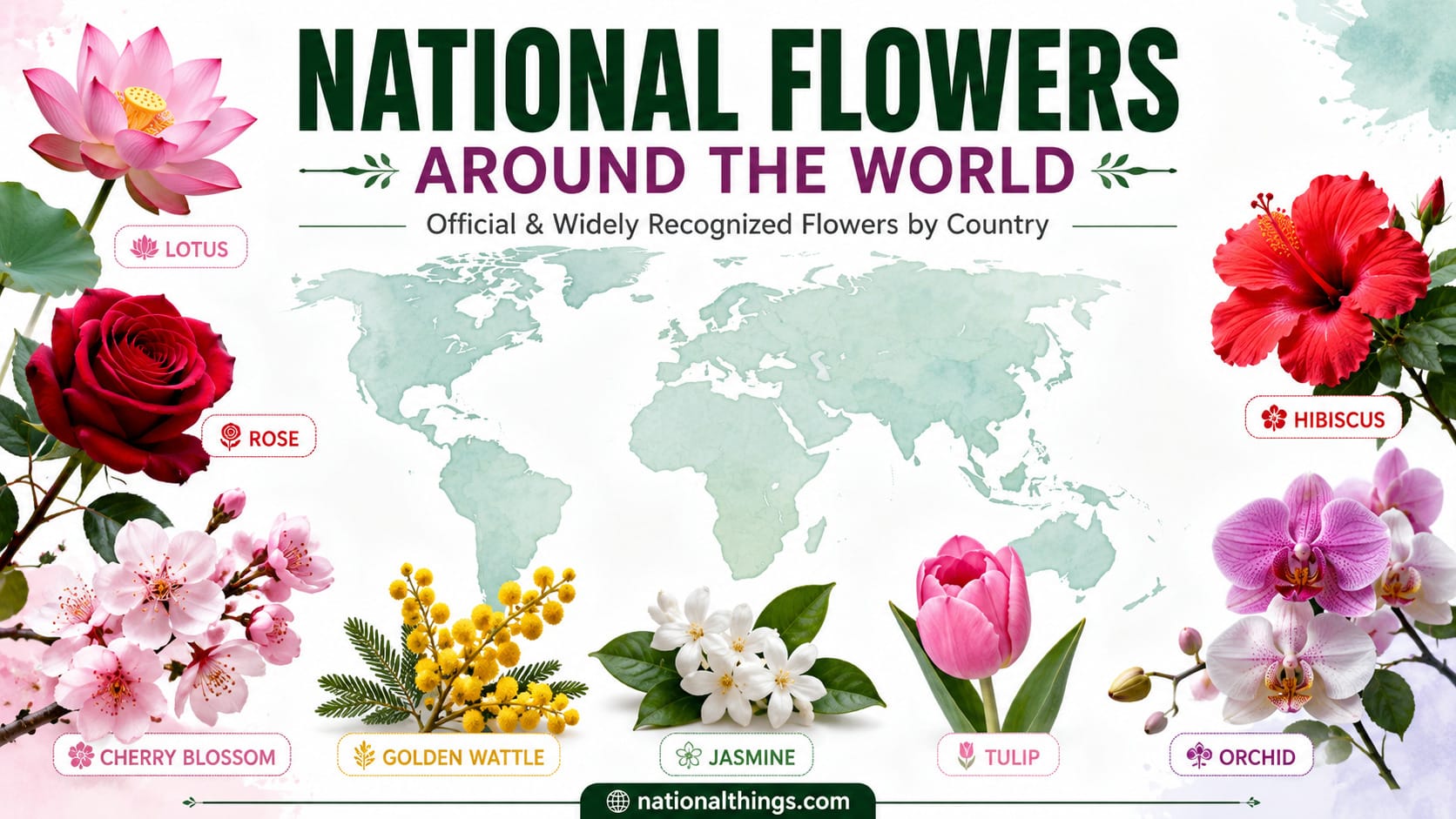
A national flower is a flower or flowering plant that represents the identity, history, culture, or natural heritage of a country. Some nations officially select one through government decisions while others develop a strong public connection over many years. A flower can become a symbol because people see it during important festivals, because it appears in traditional art, or because it grows naturally across the country.
National flowers often reflect values that people want to preserve. They may represent beauty, peace, bravery, purity, renewal, or hope. Some are linked with royal families while others remember independence movements or religious traditions. Governments may include these flowers on official emblems, coins, stamps, educational material, tourism campaigns, or national celebrations.
Different countries use different methods when choosing their floral symbols. That is why this guide separates flowers into clear categories instead of placing every country under one label.
An official national flower has support from a recognized government source. It may appear in:
Some countries do not use the words “national flower.” Instead, they officially recognize a national floral emblem. The meaning is often the same because the flower represents the nation through government approval.
Examples may appear on:
Some flowers are famous national symbols even without a legal declaration. They become connected with a country through everyday life and public memory.
Common reasons include:
A flower may hold deep meaning inside a country without serving as an official national symbol. It may be connected with religion, local customs, festivals, royal history, or regional traditions.
Typical examples include flowers that
Some countries present a special challenge because different books and websites list different flowers. Government records may not clearly confirm one choice, or multiple flowers may compete for recognition.
For these situations the table should include notes such as the following:
Many countries have officially declared national flowers, while others use flowers that are widely recognized through culture, history, identity, or public association.
| Flag | Country | National Flower | Status |
|---|---|---|---|
| 🇦🇫 | Afghanistan | Tulip | Widely Recognized |
| 🇦🇱 | Albania | Red Poppy | Widely Recognized |
| 🇩🇿 | Algeria | Iris | Widely Recognized |
| 🇦🇩 | Andorra | Poet's Narcissus | Widely Recognized |
| 🇦🇴 | Angola | Welwitschia | Widely Recognized |
| 🇦🇬 | Antigua and Barbuda | Dagger Log | Official |
| 🇦🇷 | Argentina | Ceibo Flower | Official |
| 🇦🇲 | Armenia | Armenian Poppy | Widely Recognized |
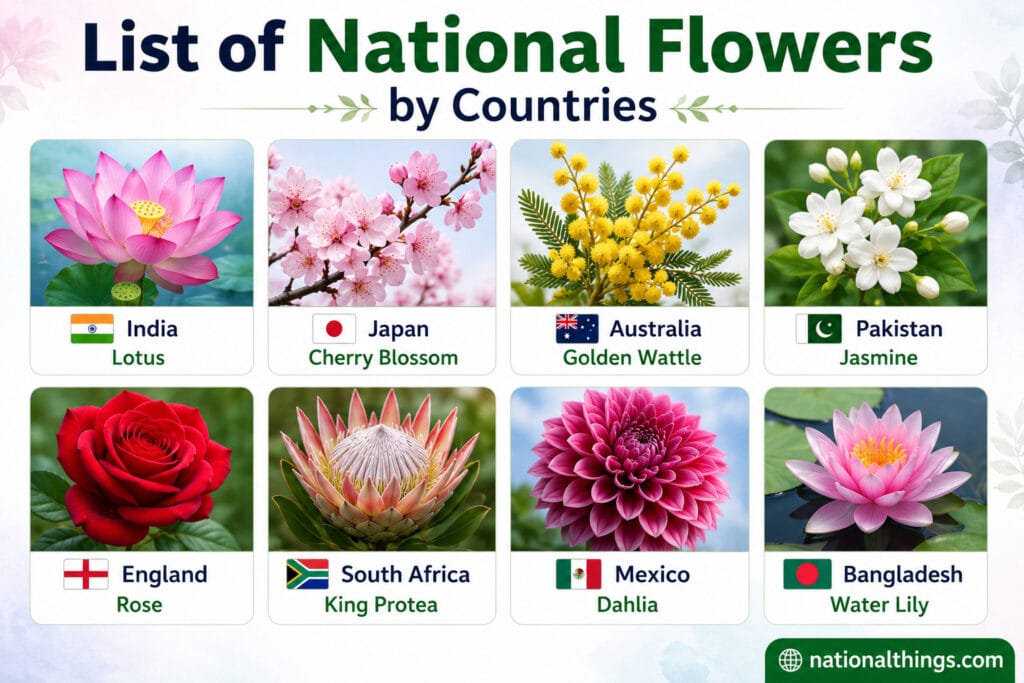
| 🇦🇺 | Australia | Golden Wattle | Official |
| 🇦🇹 | Austria | Edelweiss | Widely Recognized |
| 🇦🇿 | Azerbaijan | Khari Bulbul | Widely Recognized |
| 🇧🇸 | Bahamas | Yellow Elder | Official |
| 🇧🇭 | Bahrain | Arfaj | Widely Recognized |
| 🇧🇩 | Bangladesh | White Water Lily | Official |
| 🇧🇧 | Barbados | Pride of Barbados | Official |
| 🇧🇾 | Belarus | Wild Blue Flax | Widely Recognized |
| 🇧🇪 | Belgium | Red Poppy | Widely Recognized |
| 🇧🇿 | Belize | Black Orchid | Official |
| 🇧🇯 | Benin | Red Hibiscus | Widely Recognized |
| 🇧🇹 | Bhutan | Blue Poppy | Widely Recognized |
| 🇧🇴 | Bolivia | Kantuta and Patujú | Official |
| 🇧🇦 | Bosnia and Herzegovina | Golden Lily | Widely Recognized |
| 🇧🇼 | Botswana | Kalahari Devil's Claw | Widely Recognized |
| 🇧🇷 | Brazil | Golden Trumpet Tree Flower | Widely Recognized |
| 🇧🇳 | Brunei | Simpor | Official |
| 🇧🇬 | Bulgaria | Rose | Widely Recognized |
| 🇧🇫 | Burkina Faso | Hibiscus | Widely Recognized |
| 🇧🇮 | Burundi | Torch Lily | Widely Recognized |
| 🇰🇭 | Cambodia | Rumduol | Official |
| 🇨🇲 | Cameroon | Red Stinkwood Flower | Widely Recognized |
| 🇨🇦 | Canada | Maple Leaf | Official Symbol |
| 🇨🇻 | Cape Verde | Bougainvillea | Widely Recognized |
| 🇨🇫 | Central African Republic | Hibiscus | Widely Recognized |
| 🇹🇩 | Chad | Desert Rose | Widely Recognized |
| 🇨🇱 | Chile | Copihue | Official |
| 🇨🇳 | China | Plum Blossom | Widely Recognized |
| 🇨🇴 | Colombia | Cattleya Orchid | Official |
| 🇰🇲 | Comoros | Ylang-Ylang | Widely Recognized |
| 🇨🇬 | Congo | Hibiscus | Widely Recognized |
| 🇨🇷 | Costa Rica | Guaria Morada Orchid | Official |
| 🇨🇮 | Côte d’Ivoire | Hibiscus | Widely Recognized |
| 🇭🇷 | Croatia | Croatian Iris | Widely Recognized |
| 🇨🇺 | Cuba | White Ginger Lily | Official |
| 🇨🇾 | Cyprus | Cyprus Cyclamen | Official |
| 🇨🇿 | Czech Republic | Linden Blossom | Widely Recognized |
| 🇨🇩 | Democratic Republic of the Congo | Hibiscus | Widely Recognized |
| 🇩🇰 | Denmark | Daisy | Widely Recognized |
| 🇩🇯 | Djibouti | Desert Rose | Widely Recognized |
| 🇩🇲 | Dominica | Carib Wood Flower | Official |
| 🇩🇴 | Dominican Republic | Bayahibe Rose | Official |
| 🇪🇨 | Ecuador | Rose | Widely Recognized |
| 🇪🇬 | Egypt | Egyptian Lotus | Widely Recognized |
| 🇸🇻 | El Salvador | Flor de Izote | Official |
| 🇬🇶 | Equatorial Guinea | Hibiscus | Widely Recognized |
| 🇪🇷 | Eritrea | Gerbera Daisy | Widely Recognized |
| 🇪🇪 | Estonia | Cornflower | Official |
| 🇸🇿 | Eswatini | Edelweiss | Widely Recognized |
| 🇪🇹 | Ethiopia | Calla Lily | Official |
| 🇫🇯 | Fiji | Tagimoucia | Official |
| 🇫🇮 | Finland | Lily of the Valley | Official |
| 🇫🇷 | France | Iris / Fleur-de-lis | Widely Recognized |
| 🇬🇦 | Gabon | African Tulip Flower | Widely Recognized |
| 🇬🇲 | Gambia | Hibiscus | Widely Recognized |
| 🇬🇪 | Georgia | Rhododendron | Widely Recognized |
| 🇩🇪 | Germany | Cornflower | Widely Recognized |
| 🇬🇭 | Ghana | Impala Lily | Widely Recognized |
| 🇬🇷 | Greece | Bear's Breech | Widely Recognized |
| 🇬🇩 | Grenada | Bougainvillea | Widely Recognized |
| 🇬🇹 | Guatemala | Monja Blanca Orchid | Official |
| 🇬🇳 | Guinea | Vernonia djalonensis | Widely Recognized |
| 🇬🇼 | Guinea-Bissau | Hibiscus | Widely Recognized |
| 🇬🇾 | Guyana | Victoria Regia Lily | Official |
| 🇭🇹 | Haiti | Hibiscus | Widely Recognized |
| 🇭🇳 | Honduras | Orchid Rhyncholaelia digbyana | Official |
| 🇭🇺 | Hungary | Tulip | Widely Recognized |
| 🇮🇸 | Iceland | Mountain Avens | Widely Recognized |
| 🇮🇳 | India | Lotus | Official |
| 🇮🇩 | Indonesia | Jasmine, Moon Orchid and Rafflesia | Official |
| 🇮🇷 | Iran | Red Rose | Widely Recognized |
| 🇮🇶 | Iraq | Rose | Widely Recognized |
| 🇮🇪 | Ireland | Shamrock | Widely Recognized |
| 🇮🇱 | Israel | Poppy Anemone | Official |
| 🇮🇹 | Italy | Strawberry Tree Flower | Widely Recognized |
| 🇯🇲 | Jamaica | Lignum Vitae Flower | Official |
| 🇯🇵 | Japan | Cherry Blossom and Chrysanthemum | Widely Recognized |
| 🇯🇴 | Jordan | Black Iris | Official |
| 🇰🇿 | Kazakhstan | Tulip | Widely Recognized |
| 🇰🇪 | Kenya | Orchid | Widely Recognized |
| 🇰🇮 | Kiribati | Plumeria | Widely Recognized |
| 🇰🇼 | Kuwait | Arfaj | Official |
| 🇰🇬 | Kyrgyzstan | Tulip | Widely Recognized |
| 🇱🇦 | Laos | Plumeria | Official |
| 🇱🇻 | Latvia | Daisy | Widely Recognized |
| 🇱🇧 | Lebanon | Cyclamen | Widely Recognized |
| 🇱🇸 | Lesotho | Spiral Aloe Flower | Widely Recognized |
| 🇱🇷 | Liberia | Pepper Flower | Widely Recognized |
| 🇱🇾 | Libya | Pomegranate Blossom | Widely Recognized |
| 🇱🇮 | Liechtenstein | Edelweiss | Widely Recognized |
| 🇱🇹 | Lithuania | Rue | Widely Recognized |
| 🇱🇺 | Luxembourg | Rose | Widely Recognized |
| 🇲🇬 | Madagascar | Poinciana | Widely Recognized |
| 🇲🇼 | Malawi | Lotus | Widely Recognized |
| 🇲🇾 | Malaysia | Hibiscus | Official |
| 🇲🇻 | Maldives | Pink Rose | Official |
| 🇲🇱 | Mali | Hibiscus | Widely Recognized |
| 🇲🇹 | Malta | Maltese Rock-Centaury | Official |
| 🇲🇭 | Marshall Islands | Plumeria | Widely Recognized |
| 🇲🇷 | Mauritania | Desert Rose | Widely Recognized |
| 🇲🇺 | Mauritius | Boucle d'Oreille | Official |
| 🇲🇽 | Mexico | Dahlia | Official |
| 🇫🇲 | Micronesia | Hibiscus | Widely Recognized |
| 🇲🇩 | Moldova | Rose | Widely Recognized |
| 🇲🇨 | Monaco | Carnation | Widely Recognized |
| 🇲🇳 | Mongolia | Scabiosa comosa | Official |
| 🇲🇪 | Montenegro | Mimosa | Widely Recognized |
| 🇲🇦 | Morocco | Rose | Widely Recognized |
| 🇲🇿 | Mozambique | Maroon Bell Bean Flower | Widely Recognized |
| 🇲🇲 | Myanmar | Padauk | Official |
| 🇳🇦 | Namibia | Welwitschia | Widely Recognized |
| 🇳🇷 | Nauru | Plumeria | Widely Recognized |
| 🇳🇵 | Nepal | Rhododendron | Official |
| 🇳🇱 | Netherlands | Daisy | Official |
| 🇳🇿 | New Zealand | Kōwhai | Widely Recognized |
| 🇳🇮 | Nicaragua | Sacuanjoche | Official |
| 🇳🇪 | Niger | Desert Rose | Widely Recognized |
| 🇳🇬 | Nigeria | Yellow Trumpet | Official |
| 🇰🇵 | North Korea | Magnolia sieboldii | Official |
| 🇲🇰 | North Macedonia | Poppy | Widely Recognized |
| 🇳🇴 | Norway | Pyramidal Saxifrage | Widely Recognized |
| 🇴🇲 | Oman | Rose | Widely Recognized |
| 🇵🇰 | Pakistan | Jasmine | Official |
| 🇵🇼 | Palau | Plumeria | Widely Recognized |
| 🇵🇸 | Palestine | Palestinian Poppy | Widely Recognized |
| 🇵🇦 | Panama | Holy Ghost Orchid | Official |
| 🇵🇬 | Papua New Guinea | Dendrobium Orchid | Widely Recognized |
| 🇵🇾 | Paraguay | Passion Flower | Widely Recognized |
| 🇵🇪 | Peru | Cantuta | Official |
| 🇵🇭 | Philippines | Sampaguita | Official |
| 🇵🇱 | Poland | Red Poppy | Widely Recognized |
| 🇵🇹 | Portugal | Lavender | Widely Recognized |
| 🇶🇦 | Qatar | Qataf | Widely Recognized |
| 🇷🇴 | Romania | Dog Rose | Widely Recognized |
| 🇷🇺 | Russia | Chamomile | Widely Recognized |
| 🇷🇼 | Rwanda | Torch Lily | Widely Recognized |
| 🇰🇳 | Saint Kitts and Nevis | Poinciana | Widely Recognized |
| 🇱🇨 | Saint Lucia | Rose and Marguerite | Official |
| 🇻🇨 | Saint Vincent and the Grenadines | Soufrière Tree Flower | Official |
| 🇼🇸 | Samoa | Teuila | Official |
| 🇸🇲 | San Marino | Cyclamen | Widely Recognized |
| 🇸🇹 | Sao Tome and Principe | Begonia | Widely Recognized |
| 🇸🇦 | Saudi Arabia | Arfaj | Widely Recognized |
| 🇸🇳 | Senegal | Baobab Flower | Widely Recognized |
| 🇷🇸 | Serbia | Plum Blossom | Widely Recognized |
| 🇸🇨 | Seychelles | Tropicbird Orchid | Official |
| 🇸🇱 | Sierra Leone | Hibiscus | Widely Recognized |
| 🇸🇬 | Singapore | Vanda Miss Joaquim | Official |
| 🇸🇰 | Slovakia | Rose | Widely Recognized |
| 🇸🇮 | Slovenia | Carnation | Widely Recognized |
| 🇸🇧 | Solomon Islands | Hibiscus | Widely Recognized |
| 🇸🇴 | Somalia | King Protea | Widely Recognized |
| 🇿🇦 | South Africa | King Protea | Official |
| 🇰🇷 | South Korea | Mugunghwa | Official |
| 🇸🇸 | South Sudan | Hibiscus | Widely Recognized |
| 🇪🇸 | Spain | Red Carnation | Widely Recognized |
| 🇱🇰 | Sri Lanka | Blue Water Lily | Official |
| 🇸🇩 | Sudan | Hibiscus | Widely Recognized |
| 🇸🇷 | Suriname | Faya Lobi | Widely Recognized |
| 🇸🇪 | Sweden | Harebell | Official |
| 🇨🇭 | Switzerland | Edelweiss | Widely Recognized |
| 🇸🇾 | Syria | Jasmine | Widely Recognized |
| 🇹🇯 | Tajikistan | Tulip | Widely Recognized |
| 🇹🇿 | Tanzania | Clove Flower | Widely Recognized |
| 🇹🇭 | Thailand | Golden Shower Flower | Official |
| 🇹🇱 | Timor-Leste | Hibiscus | Widely Recognized |
| 🇹🇬 | Togo | Red Rose | Widely Recognized |
| 🇹🇴 | Tonga | Heilala | Official |
| 🇹🇹 | Trinidad and Tobago | Chaconia | Official |
| 🇹🇳 | Tunisia | Jasmine | Widely Recognized |
| 🇹🇷 | Turkey | Tulip | Widely Recognized |
| 🇹🇲 | Turkmenistan | Tulip | Widely Recognized |
| 🇹🇻 | Tuvalu | Plumeria | Widely Recognized |
| 🇺🇬 | Uganda | Hibiscus | Widely Recognized |
| 🇺🇦 | Ukraine | Sunflower | Widely Recognized |
| 🇦🇪 | United Arab Emirates | Tribulus omanense | Official |
| 🇬🇧 | United Kingdom | Rose | Widely Recognized |
| 🇺🇸 | United States | Rose | Official |
| 🇺🇾 | Uruguay | Ceibo Flower | Official |
| 🇺🇿 | Uzbekistan | Tulip | Widely Recognized |
| 🇻🇺 | Vanuatu | Hibiscus | Widely Recognized |
| 🇻🇦 | Vatican City | Lily | Widely Recognized |
| 🇻🇪 | Venezuela | Flor de Mayo Orchid | Official |
| 🇻🇳 | Vietnam | Lotus | Widely Recognized |
| 🇾🇪 | Yemen | Coffee Flower | Widely Recognized |
| 🇿🇲 | Zambia | Bougainvillea | Widely Recognized |
| 🇿🇼 | Zimbabwe | Flame Lily | Official |
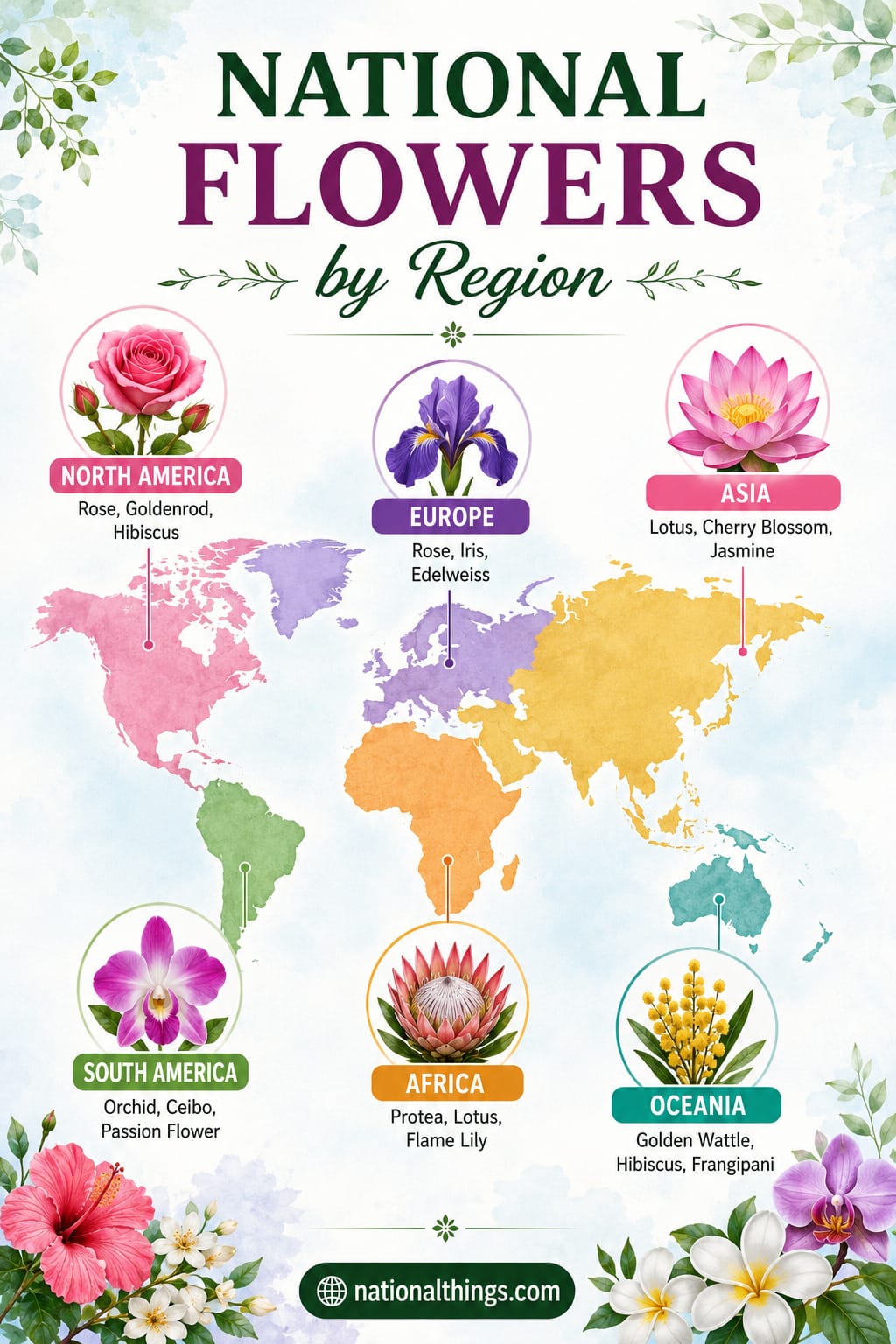
Asia has some of the world’s oldest civilizations, and many of its national flowers reflect spiritual beliefs, royal traditions, and ancient culture. Flowers often appear in temples, religious ceremonies, paintings, gardens, and traditional festivals. Their meanings usually go beyond beauty and represent wisdom, peace, purity, or prosperity.
Common flowers found across Asia include:
Several countries show these connections in different ways:
Across Asia, flowers often serve as symbols of purity, monarchy, religion, and national pride, making them an important part of cultural identity.
European countries often connect flowers with royal families, historic battles, regional identity, and centuries-old folklore. Many floral symbols appear on coats of arms, flags, coins, and traditional celebrations. Some have represented kingdoms for hundreds of years.
Popular European floral symbols include:
Examples from across Europe include:
European floral symbols often preserve stories of monarchy, heritage, and regional traditions that remain important today.
Africa’s floral symbols often reflect the continent’s native biodiversity, unique landscapes, and natural resilience. Many flowers survive in difficult climates and have become powerful representations of national character and environmental heritage.
Common examples include:
Notable country examples are the following:
Many African national flowers highlight native ecosystems, independence, desert survival, and the remarkable diversity of the continent’s plant life.
North American countries often select flowers that represent public identity, native species, or important historical traditions. In some cases, public opinion and cultural recognition have become just as influential as official government declarations.
Common regional examples include:
Examples include:
Throughout North America, floral symbols often celebrate native plants, public votes, and national heritage while reflecting local ecosystems.
South America is home to extraordinary plant diversity, and many national flowers come directly from its rainforests, mountain regions, and indigenous traditions. These flowers often represent freedom, local legends, and environmental richness.
Frequently seen symbols include:
Country examples include:
Across South America, national flowers often honor native biodiversity, Andean culture, rainforest ecosystems, and independence history.
The islands of Oceania feature tropical climates that support colorful and distinctive flowers. Many countries in this region choose species that grow naturally on the islands and play an important role in ceremonies, celebrations, and community life.
Common flowers include:
Examples across the region include:
Throughout Oceania, flowers symbolize island identity, native flora, community traditions, and the vibrant beauty of the Pacific region.
Some flowers appear as national symbols in more than one country. This happens because they have deep cultural meaning, grow naturally across large regions, or have been part of local traditions for centuries. Even when the same flower represents different nations, its meaning can change based on history, religion, or public values.
The rose is one of the most recognized national flowers in the world. It commonly symbolizes love, beauty, honor, and national pride. Many countries use different types or colors of roses to reflect their own traditions and historical events.
Although the flower looks similar everywhere, its meaning often changes from one place to another. In some nations it represents royal heritage, while in others it stands for unity, courage, or remembrance. This flexibility has made the rose a popular national symbol across different cultures.
The Lotus holds a special place in many Asian countries and ancient civilizations. It grows from muddy water but blooms into a clean and beautiful flower, making it a powerful symbol of purity, spiritual growth, and inner strength.
Many religions, artworks, and cultural traditions use the lotus to represent wisdom and renewal. Countries such as India and Vietnam have strong historical connections with this flower because it reflects both natural beauty and cultural values.
The orchid is famous for its unique appearance and incredible variety of species. It often represents biodiversity, rarity, beauty, and the richness of tropical environments. Thousands of orchid species grow naturally around the world, especially in warm climates.
Many South American countries and island nations choose orchids because they are part of their native forests and ecosystems. Their colorful blooms also make them popular symbols of elegance and natural heritage.
The jasmine flower is widely admired for its sweet fragrance and delicate white petals. It usually symbolizes hospitality, purity, friendship, and cultural celebrations. In many communities, jasmine flowers are used during weddings, religious events, and traditional festivals.
The flower has strong cultural importance across South Asia, the Middle East, and North Africa. Its pleasant scent and simple beauty have helped it become one of the region’s most respected floral symbols.
The poppy carries one of the strongest emotional meanings among national flowers. It is closely connected with remembrance, sacrifice, war memory, and respect for those who lost their lives during conflicts.
Many European countries recognize the poppy as a symbol of honoring soldiers and preserving historical memory. Red poppies are especially associated with remembrance ceremonies held every year to pay tribute to past generations.
The hibiscus is a bright tropical flower that represents warmth, hospitality, island culture, and natural beauty. Its large colorful petals make it one of the most recognizable flowers in coastal and tropical regions.
Many Caribbean and Pacific nations have strong cultural ties to hibiscus flowers. They often appear in traditional ceremonies, local decorations, tourism campaigns, and everyday life, reflecting the welcoming spirit and vibrant landscapes of these island communities.
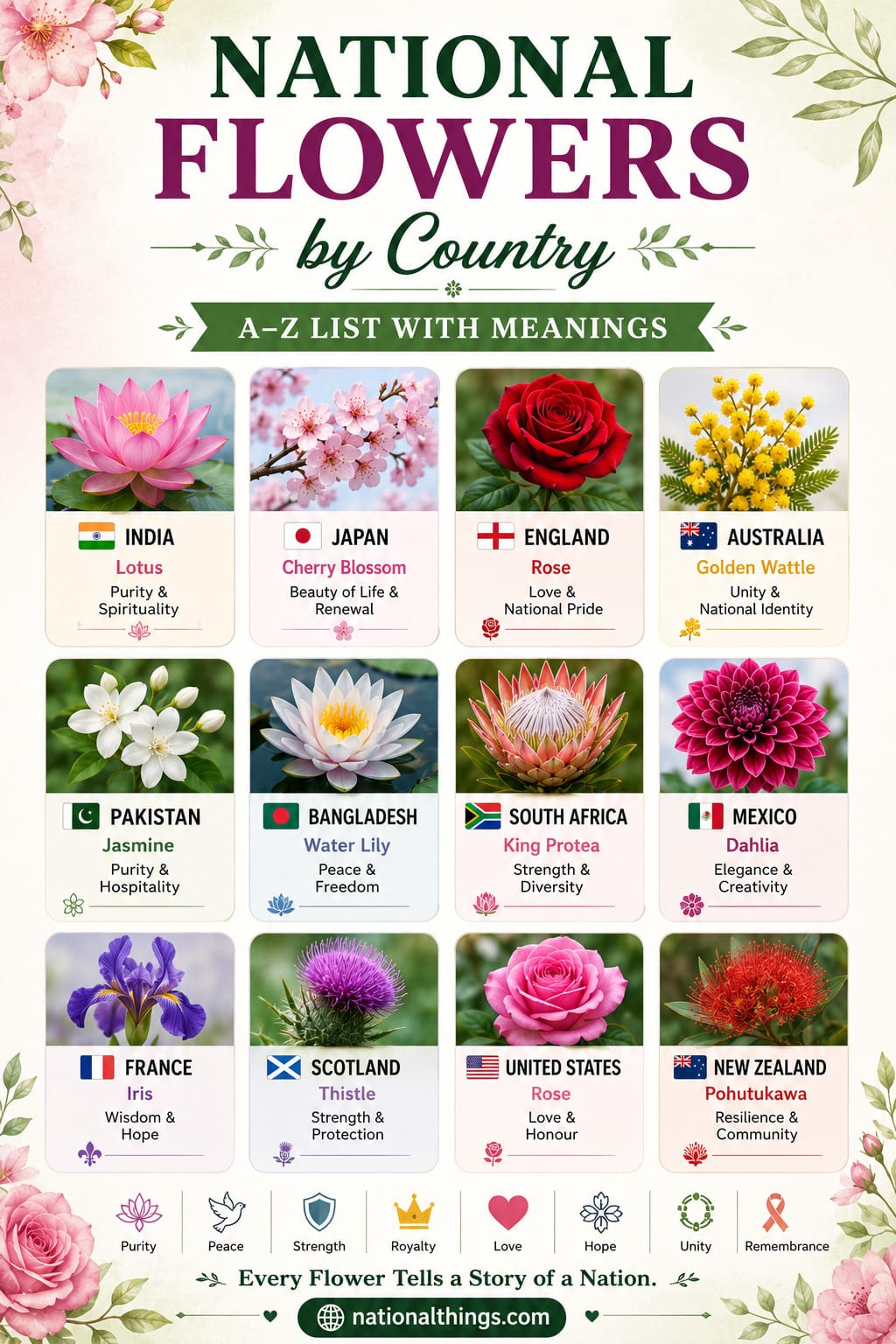
Many people think these terms mean the same thing, but they have different meanings. Understanding the difference helps readers identify whether a country officially recognizes a flower, a broader plant symbol, or another type of botanical emblem.
A national flower is the specific flower that represents a country’s identity, culture, history, or traditions. It is chosen because of its symbolic value and may be officially declared by the government or widely recognized by the public.
A floral emblem is an official plant symbol used by a government or state. It may be a flowering plant, the bloom of a tree, a shrub, or another native species that represents the nation. In many countries, the floral emblem serves the same purpose as a national flower.
A National Plant refers to the entire plant rather than just its flower. Some countries select a plant because of its economic importance, cultural significance, or native heritage. The symbol may include leaves, stems, fruits, or the complete species instead of focusing only on the bloom.
A national tree and a national flower are separate national symbols and should not be confused. A country can have one official tree and a completely different official flower. For example, the national tree may represent forests or strength, while the national flower symbolizes beauty, culture, or historical traditions.
| Symbolic Meaning | Common Flower Example | Short Explanation |
|---|---|---|
| Purity | Lotus | Cleanliness and spiritual purity. |
| Freedom | Water Lily | Liberty and independence. |
| Peace | Jasmine | Harmony and calmness. |
| Strength | King Protea | Courage and endurance. |
| Beauty | Orchid | Grace and natural elegance. |
| Sacrifice | Red Poppy | Honor for fallen heroes. |
| Royalty | Rose | Nobility and royal heritage. |
| Hope | Golden Wattle | Optimism and brighter days. |
| Unity | Golden Wattle | Togetherness and solidarity. |
| Resilience | King Protea | Survival through challenges. |
| Faith | Lotus | Devotion and spirituality. |
| Renewal | Cherry Blossom | New beginnings and growth. |
| Love | Rose | Affection and loyalty. |
| Remembrance | Red Poppy | Memory and respect. |
| National Pride | Golden Wattle | Identity and patriotism. |
You May Also Like:
National flowers are more than beautiful plants. They reflect a country’s history, culture, values, and natural heritage. Some are officially declared by governments, while others have earned recognition through tradition, public memory, and everyday life. That is why understanding the difference between Official, Widely Recognized, and Culturally Associated flowers is important when exploring national symbols.