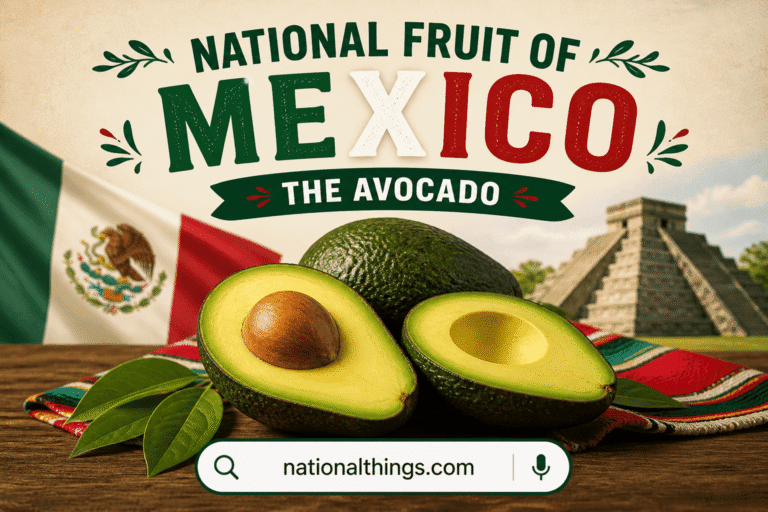
National Fruit of Mexico: Meaning, History, and Facts
Mexico is widely known for its rich agricultural heritage, and among its most valued fruits, the avocado holds a special…
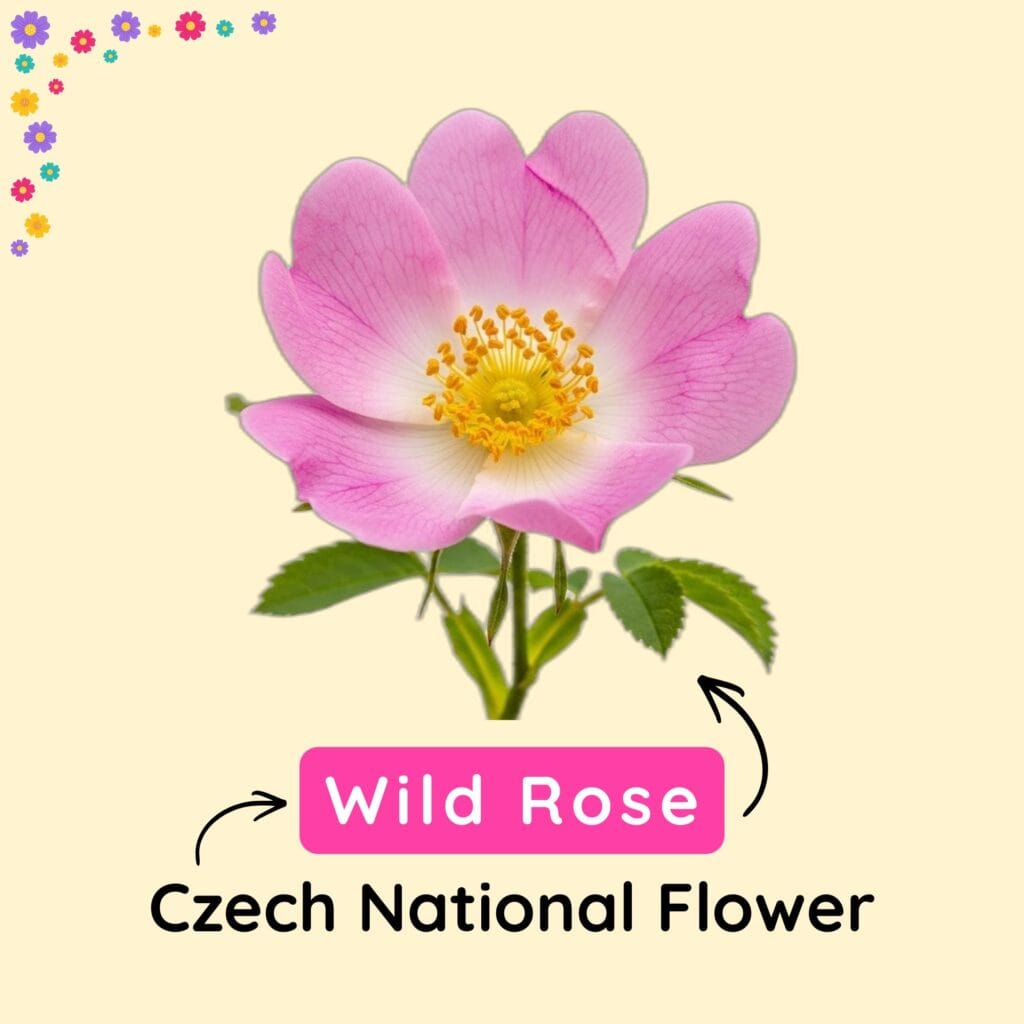
The Czech Republic, a country known for its rich history and natural beauty, has a national flower that reflects its culture and spirit. The Czech national flower is the rose (Rosa), specifically the wild rose. This flower is more than just a pretty plant; it has deep cultural and historical significance in the country.
Understanding the national flower of any country gives insight into its traditions, nature, and the values people cherish. Here’s everything you need to know about the Czech national flower in simple and clear words.
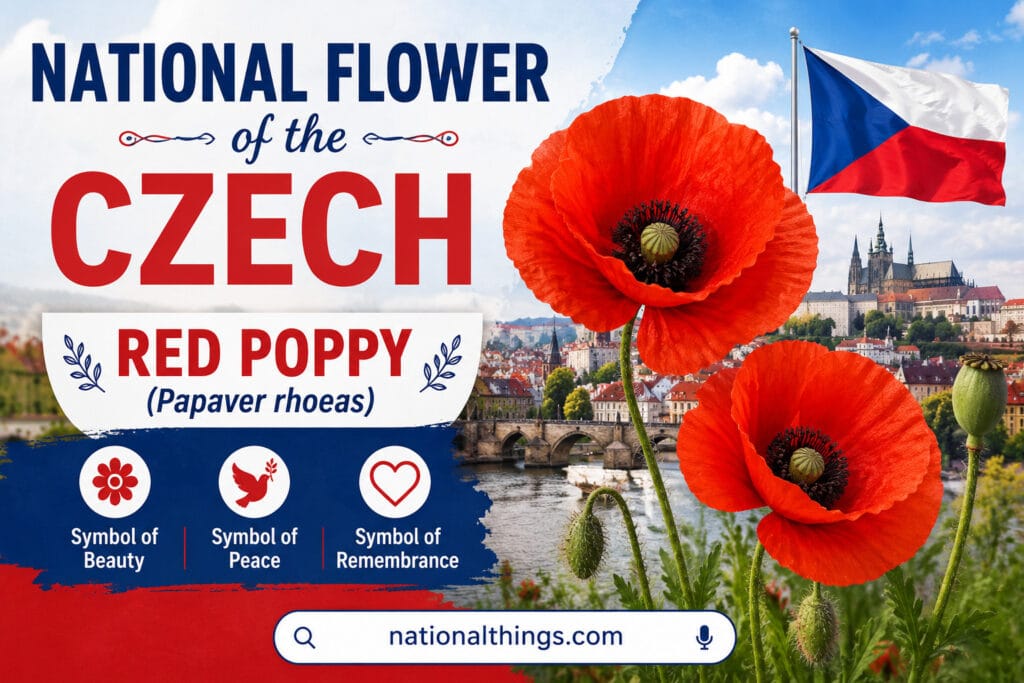
The national flower of the Czech Republic is commonly linked with the red poppy flower. The poppy grows naturally across the Czech countryside and has deep meaning in Czech history and culture. Many people in the Czech Republic see this flower as a sign of beauty, peace, memory, and national identity.
The red poppy has soft petals and a bright red color that stands out in fields during late spring and summer. Farmers and travelers often see large groups of poppies growing near roads, farms, and open grasslands. The flower survives in rough weather and poor soil, which makes it a symbol of strength and endurance.
The Czech Republic does not have an officially declared national flower by law. Still, the poppy holds strong cultural value, and many local historians and flower experts connect it with the country. Czech art, literature, and folk traditions often include poppy flowers.
Some important facts about the poppy include:
The flower also appears in old paintings, handmade embroidery, and traditional Czech decorations.
The poppy flower carries emotional and historical meaning in Czech society. People connect it with nature, peace, farming life, and remembrance. Czech families living in rural areas have seen poppies in fields for generations.
Many Czech folk songs mention flowers, especially red poppies. These songs often describe love, harvest seasons, and village celebrations. Women in older times added poppy designs to clothing, table covers, and wedding items.
The flower also has a strong link to remembrance. Across Europe, the red poppy became a symbol for soldiers who died during wars. Czech communities also use the flower during memorial events.
Important cultural uses include:
In Prague and smaller towns, local markets sometimes sell poppy-themed crafts and foods. Poppy seeds are also very popular in Czech cooking. Bakers use them in cakes, breads, and sweet pastries.
The history of the poppy in Czech lands goes back hundreds of years. Farmers found wild poppies growing naturally near wheat and barley fields. Since the flower spreads easily through seeds, it became common across Bohemia and Moravia.
During the Middle Ages, people used poppies for both beauty and practical reasons. Some herbal healers believed parts of the plant could help with sleep and pain relief. Farmers also respected the flower because bees visited it often during pollination seasons.
The connection between the national flower of the Czech Republic and local identity became stronger during the 19th century. This period saw the rise of Czech nationalist literature and folk revival movements. Writers, painters, and musicians started celebrating Czech nature in their work.
One important historical detail comes from World War I. Red poppies grew across damaged battlefields in Europe. After the war the flower became an international symbol of remembrance. Czech communities later adopted this meaning during national memorial events.
According to the Royal British Legion, the poppy became an official remembrance symbol after World War I and remains one of the most recognized flowers connected to memory and sacrifice worldwide.
Source: https://www.britishlegion.org.uk/get-involved/remembrance/about-remembrance/the-poppy
The red poppy has several meanings in Czech culture and wider European traditions. Its bright color attracts attention quickly and creates strong emotional feelings.
The flower mainly represents the following:
Many people also see the poppy as a symbol of simple rural life. Czech villages often have large open fields filled with poppies during summer. These scenes appear in tourism posters, postcards, and paintings.
The short blooming life of the flower also gives it symbolic meaning. Poppies bloom beautifully for a short time, which reminds people about the temporary nature of life and beauty.
Artists and poets often use the poppy to describe emotions connected with love, sadness, and memory. In Czech poetry, the flower sometimes represents lost youth or peaceful countryside moments.
Several types of poppies grow in the Czech Republic. Some appear naturally, while gardeners grow others for decoration.
The wild poppy is the most common type seen in Czech fields. It has thin red petals and a dark center. Farmers often see it growing near grain crops.
Key features:
The red poppy is closely connected with remembrance traditions across Europe. Czech memorial ceremonies sometimes use this flower to honor soldiers and national heroes.
Important points:
The white poppy is less common but still important. Some peace groups use it as a symbol against war and violence.
Features include:
The National Flower of Czech appears in many areas of daily life. Czech culture mixes flowers deeply into food art celebrations and handmade products.
In traditional Czech kitchens, poppy seeds are extremely popular. Bakers use them in:
One famous Czech dessert called “koláče” often contains sweet poppy seed filling. Families prepare these foods during holidays, weddings, and festivals.
Artists also use poppy designs in:
Tourists visiting Czech markets often notice handmade products with red flower patterns. Local craft makers continue old traditions by creating poppy-themed decorations.
Gardening is another common use. Czech gardeners plant poppies because they grow easily and attract pollinators like bees and butterflies.
| Feature | Details |
|---|---|
| Common Name | Red Poppy |
| Scientific Name | Papaver rhoeas |
| Main Color | Bright Red |
| Native Region | Europe and Western Asia |
| Blooming Season | May to July |
| Cultural Meaning | Peace, Memory, Strength |
| Common Uses | Food Art Decoration |
| Popular Location | Czech countryside fields |
| Pollinators Attracted | Bees Butterflies |
| Symbolic Value | Remembrance and beauty |
The Czech National Flower is the wild rose (Rosa canina). It is a simple, pink or white flower that grows naturally in fields and forests. It represents beauty, resilience, and the natural heritage of the Czech Republic.
The wild rose was chosen as the Czech National Flower because it grows naturally, symbolizes love and purity, and has been part of Czech traditions, folk art, and poetry for centuries.
The Czech National Flower, the wild rose, symbolizes beauty, natural purity, love, and resilience. It also reflects the Czech Republic’s cultural traditions and connection to nature.
The Czech national flower has five petals, usually pink or white; green serrated leaves; and thorny stems. After flowering, it produces red rose hips, which are rich in vitamin C and used in teas and jams.
The Czech national flower, wild rose, grows naturally in meadows, forests, gardens, and along roadsides. It is hardy and does not require special care, symbolizing resilience and simplicity.
The Czech national flower appears in folk art, embroidery, poems, and local festivals. Rose hips are used in teas, jams, and natural remedies, linking cultural and practical uses.
The Czech national flower, wild rose, blooms in late spring and early summer. Its soft pink or white flowers and sweet fragrance mark the start of warmer seasons.
The Czech national flower is unique for its simple beauty, natural growth, cultural significance, and useful rose hips. It represents both the resilience of Czech nature and the traditions of its people.
Related Articles: