


National Animal of Cuba: The Cuban Hutia
The national animal of Cuba is the Cuban Hutia (Capromys pilorides). This unique mammal is a large rodent that lives…
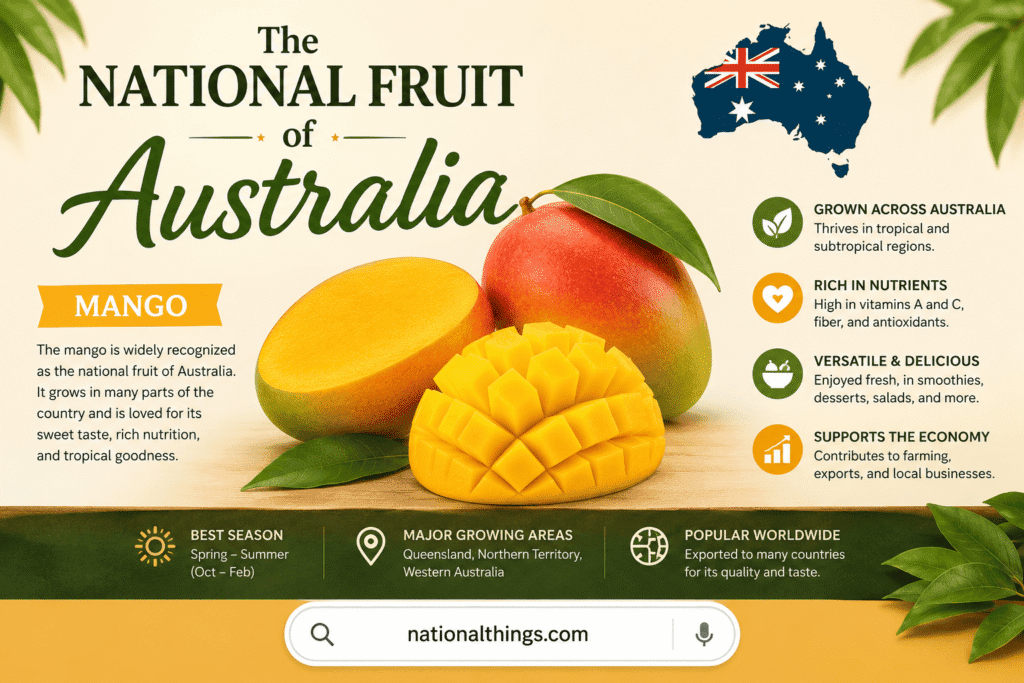
The national fruit of Australia is commonly recognized as the mango because of its strong connection with Australian farming culture, summer food traditions, and tropical agriculture. Australia has no officially declared national fruit, but mangoes hold a special place across the country. From Queensland farms to local fruit markets, Australians enjoy mangoes during the summer season in fresh slices, smoothies, desserts, and traditional recipes. The fruit also supports the economy through farming, exports, tourism, and food businesses. Its sweet taste, bright color, and rich nutritional value make it one of the most loved fruits in Australia.
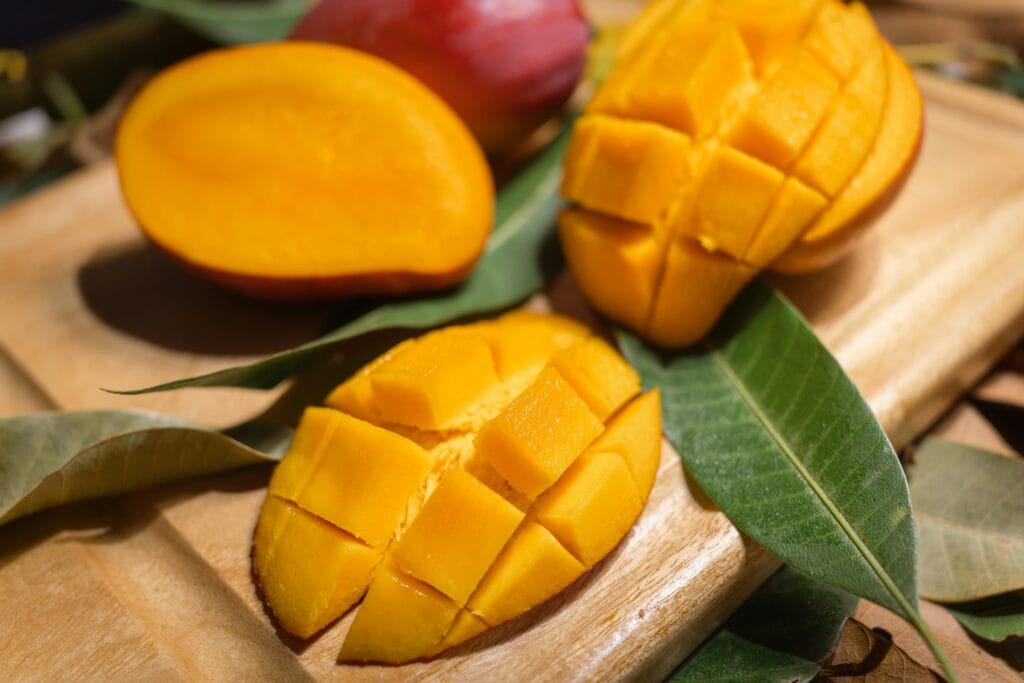
The national fruit of Australia is commonly linked with the mango because of its strong place in Australian farming culture, food habits, and export trade. Australia does not officially declare a national fruit by law. Still many people across the country recognize the mango as the fruit that best represents Australia. Australians eat mangoes in large numbers during summer, and many farming regions depend on mango production.
The mango grows well in the warm tropical climate of Northern Territory, Queensland, and Western Australia. The fruit has bright skin, sweet flesh, and a rich smell. It appears in homes, restaurants, cafes, juice bars, and food festivals across the country.
Australia produces more than 50,000 tonnes of mangoes every year, according to the Australian Mango Industry Association. The industry supports farmers, transport workers, food businesses, and export companies. Mangoes also bring strong tourism activity during harvest season in tropical regions.
People often connect Australia with beaches, outdoor living, and fresh tropical food. The mango fits naturally into that image. This is why many travel blogs, food writers, and agriculture experts call it the National Fruit of Australia.
The mango holds importance in Australia for cultural, economic, and nutritional reasons. It supports thousands of jobs and adds millions of dollars to the national economy. Mango farming helps many rural communities survive and grow.
Australians also connect mangoes with summer celebrations. Families often buy boxes of fresh mangoes during Christmas and New Year holidays. Many people eat chilled mango slices at beaches, parks, and outdoor events.
The fruit also plays a role in healthy eating. Mangoes contain vitamins, minerals, antioxidants, and natural fiber. Doctors and nutrition experts often recommend fresh fruit like mangoes as part of a balanced diet.
Australia exports mangoes to countries such as Singapore, Hong Kong, New Zealand, and the United Arab Emirates. Export demand increases the global value of Australian fruit farming.
The National Fruit of Australia also supports scientific farming research. Farmers use modern irrigation systems, disease control methods, and improved storage technology to protect fruit quality.
Mangoes did not originally grow in Australia. The fruit came from South Asia, especially India, where people cultivated mangoes for more than 4,000 years. Traders and travelers carried mango seeds to different tropical regions around the world.
Mangoes reached Australia during the 1800s. Early settlers and plant collectors introduced mango trees into northern regions with warm weather. The first commercial mango farms later appeared in Queensland.
During the twentieth century, farmers started large-scale mango production. Better roads, cold storage systems, and transport methods allowed growers to send fresh fruit to major Australian cities.
The Kensington Pride variety became especially popular after the 1960s. Australians liked its sweet taste, smooth texture, and strong smell. Soon the fruit became part of Australian food culture.
Today mango farming spreads across several states. Modern growers use advanced farming equipment and scientific techniques to improve harvest quality.
Several reasons helped the mango gain popularity in Australia. Climate played the biggest role. Northern Australia provides long sunny seasons, warm temperatures, and tropical rainfall. These conditions help mango trees grow successfully.
Supermarkets also increased public interest. Large grocery chains started selling fresh mangoes nationwide during the summer season. Bright displays and seasonal promotions made the fruit highly visible.
Television cooking shows, food magazines, and chefs added more popularity. Mango recipes appeared in salads, desserts, smoothies, sauces, and seafood dishes.
Tourism campaigns also helped. Tropical regions like Darwin and Far North Queensland often use mango farms and local fruit markets as visitor attractions.
Social media created another growth wave. Australians frequently share summer photos with mango desserts, drinks, and fresh fruit platters. This online exposure keeps the fruit connected with the modern Australian lifestyle.
The mango carries cultural value in many Australian communities. In tropical towns, mango season often feels like a local festival. Markets become busy, and roadside fruit stalls appear across highways.
Darwin hosts the famous Mango Madness Festival, which celebrates local mango farming and tropical food culture. The event includes food tasting music cooking demonstrations and community activities.
Some families even compete over who grows the best backyard mango tree. Home gardening culture remains strong in Queensland and the Northern Territory.
The fruit also appears in multicultural cooking traditions. Australia has large Indian, Thai, Filipino, Vietnamese, and Pacific Island communities. These groups use mangoes in traditional dishes, drinks, and desserts.
Many Australians remember mango season as part of childhood summer memories. Fresh mango juice, sticky hands, and outdoor meals form a strong emotional connection with the fruit.
Mangoes provide many important nutrients. One fresh mango contains vitamin C, vitamin A, folate, potassium, and dietary fiber. The fruit also contains antioxidants that help protect body cells.
Here are some key nutrients found in one cup of sliced mango:
Mangoes contain natural sugar, but they also provide water and fiber, which help the body process energy slowly.
According to the United States Department of Agriculture, one cup of mango contains around 99 calories and more than 60 percent of the daily vitamin C requirement.
People who eat fruit regularly often reduce the risk of heart disease, obesity, and digestive problems.
Mangoes offer several health benefits when people eat them as part of a balanced diet.
Vitamin C helps the body fight infections and supports skin repair. Mangoes provide a strong amount of this vitamin.
Mangoes contain fiber and digestive enzymes. These support healthy bowel movement and improve digestion.
Vitamin A and antioxidants inside mangoes help protect vision. These nutrients support eye tissue and reduce dryness.
Potassium and fiber help maintain healthy blood pressure and cholesterol levels.
Mangoes contain healthy carbohydrates and natural sugars that provide quick energy. Athletes and active people often use fruit as a natural snack.
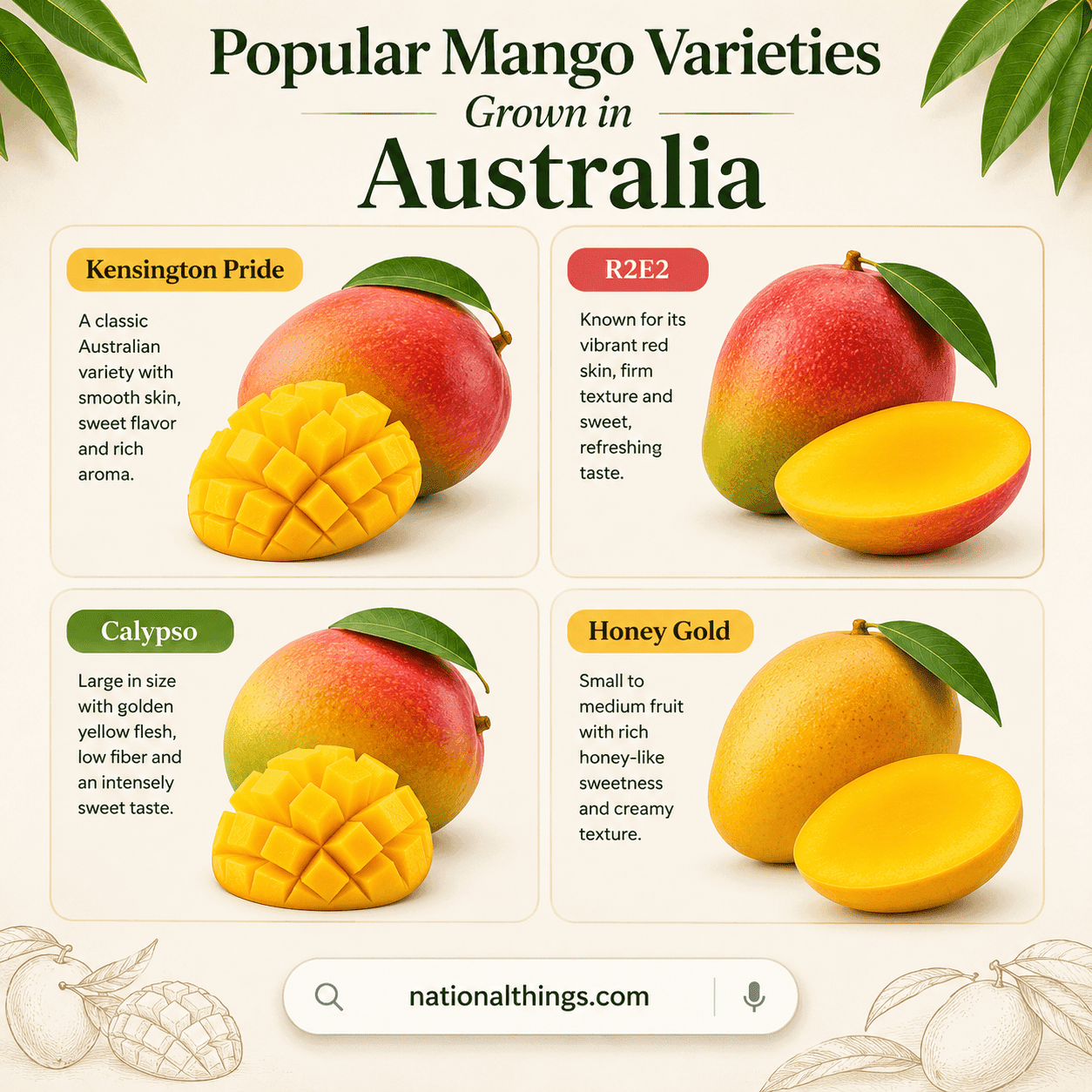
Australia grows several mango varieties. Each type has different flavor, texture, size, and harvest season.
Kensington Pride is the most famous Australian mango variety. It has orange flesh, rich sweetness, and a tropical smell. Many Australians consider it the best-tasting mango.
R2E2 mangoes are large with red skin and firm flesh. Farmers like this variety because it travels well during export.
Calypso mangoes have smooth flesh with fewer fibers. They stay fresh for longer periods and suit supermarket sales.
Honey Gold mangoes contain very sweet flesh and have a bright golden color. Many dessert makers use this variety in cakes and ice cream.
Palmer mangoes grow later in the season. Their long shelf life helps farmers extend mango sales after peak harvest.
Most mango farms exist in warm northern regions. Tropical weather gives the trees enough sunlight and heat.
Major mango-growing areas include:
Darwin serves as one of the main mango production centers. The first mangoes of the season usually arrive from the Northern Territory.
Queensland produces a large share of the national crop. Mareeba and Bowen remain important farming areas.
Farmers usually harvest mangoes between September and March depending on location and weather conditions.
Australians use mangoes in many foods and drinks. The fruit works well in both sweet and savory recipes.
Many people simply slice fresh mangoes and eat them cold during hot summer days.
Cafes and juice bars blend mangoes into tropical drinks. Mango smoothies remain popular with tourists and students.
Chefs use mangoes in cheesecakes, pavlovas, ice cream, and fruit tarts.
Mango chutney pairs well with grilled meat, seafood, and curry dishes.
Australian restaurants also add mango slices to salads with avocado chicken or prawns.
The mango industry contributes strongly to the Australian economy. Thousands of workers depend on mango farming, packaging, transport, and retail.
The Australian Mango Industry Association states that the industry value exceeds 200 million Australian dollars in strong production years. Farmers also invest heavily in irrigation systems research and export infrastructure.
Export markets continue to grow, especially in Asia and the Middle East. International buyers often pay premium prices for high-quality Australian mangoes because of strict farming standards.
Seasonal workers travel across farming regions during harvest months. Local hotels, restaurants, and transport companies also benefit from mango season.
Government agencies support the industry through agricultural research quarantine systems and export promotion programs.
| Feature | Details |
|---|---|
| Commonly Recognized Fruit | Mango |
| Main Growing Regions | Queensland Northern Territory Western Australia |
| Harvest Season | September to March |
| Popular Variety | Kensington Pride |
| Major Nutrients | Vitamin C, Fiber, Vitamin A |
| Main Export Markets | Singapore Hong Kong, UAE, New Zealand |
| Industry Value | More than AUD 200 million |
| Common Uses | Fresh fruit smoothies, desserts, sauces |
The Big Mango in Bowen became a popular tourist attraction and road trip stop for visitors traveling across Queensland.
Mango farming also faces serious challenges. Weather remains one of the biggest risks. Cyclones, storms, droughts, and heatwaves can damage crops.
Fruit flies and fungal diseases also threaten mango quality. Farmers spend large amounts of money on pest control and farm monitoring.
Transport creates another problem because mangoes spoil quickly if companies fail to maintain cold temperatures.
Labor shortages sometimes affect harvest season. Farms need many workers to pick, pack, and transport fruit within a short time.
Climate change may create future pressure on water supply and farming conditions. Scientists and farmers now study drought-resistant farming methods and smarter irrigation systems.
The future of Australian mango farming looks positive because demand for tropical fruit continues to grow.
Farmers now use drones, moisture sensors, and satellite mapping to improve farm management. These technologies help reduce water waste and improve harvest timing.
Researchers also develop new mango varieties with better disease resistance and longer shelf life.
Asian export markets offer strong opportunities because many consumers prefer premium imported fruit.
Organic mango farming also continues to grow. Some Australian consumers now choose fruit grown without heavy chemical use.
Tourism linked with fruit farming may also expand. Visitors enjoy farm tours, tropical food festivals, and local fruit markets.
The national fruit of Australia remains important because it combines farming culture, healthy eating, export trade, and local identity.
Australia does not officially declare a national fruit, but the mango is widely recognized as the fruit most connected with Australian culture and farming.
The warm tropical climate helps mangoes grow successfully. Australians also enjoy the fruit during summer holidays and outdoor events.
Queensland produces a large share of Australia’s mango crop, though Northern Territory and Western Australia also grow major harvests.
Kensington Pride remains the most popular variety because of its sweet flavor and smooth texture.
Mango season usually runs from September to March, depending on weather and growing region.
Yes. Australia exports mangoes to several countries, including Singapore, Hong Kong, New Zealand, and the United Arab Emirates.
Yes. Mangoes provide vitamins, antioxidants, fiber, and natural energy that support overall health.
Australian mangoes follow strict farming and food safety standards. Many consumers also prefer their rich taste and freshness.
Related Articles: