
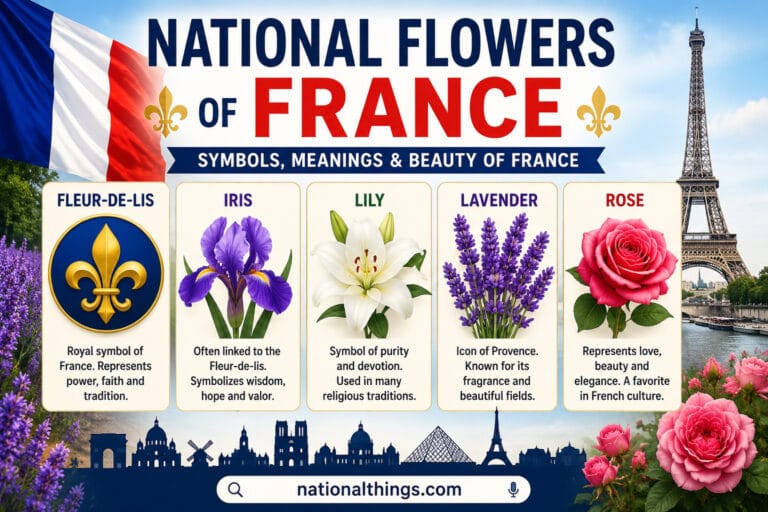
National Flowers of France: History, Facts, and Meanings
France is a country known for its rich culture, history, and natural beauty. Among its many symbols, national flowers hold…
Did you know Afghanistan has changed its national flag more than 20 times in modern history? National symbols of Afghanistan carry deep stories about the country’s identity, religion, culture, and survival through centuries of change. From the powerful snow leopard and golden eagle to the famous Afghan pomegranate and national emblem, each symbol represents an important part of Afghan life. Many people know Afghanistan for its mountains and history, but few understand the meaning behind these Afghan national symbols and how they connect millions of people through tradition, pride, and heritage. In this guide you will discover the most important symbols of Afghanistan, including the national animal, bird, tree, fruit, currency, and flag, along with the cultural meanings that make them special.
National symbols of Afghanistan reflect the country’s identity, history, religion, culture, and natural heritage. Every symbol connects Afghan people with their land, traditions, and historical struggles. These symbols are not only official signs used by the government. They also appear in daily life through art, poetry, sports, education, and public celebrations.
Afghanistan has a long history that stretches back thousands of years. Ancient trade routes crossed the region, and many empires ruled the land, including the Ghaznavids, Timurids, Mughals, and Durrani Empire. Because of this deep history, Afghan national symbols contain influences from Islamic civilization, Persian culture, tribal traditions, and Central Asian heritage.
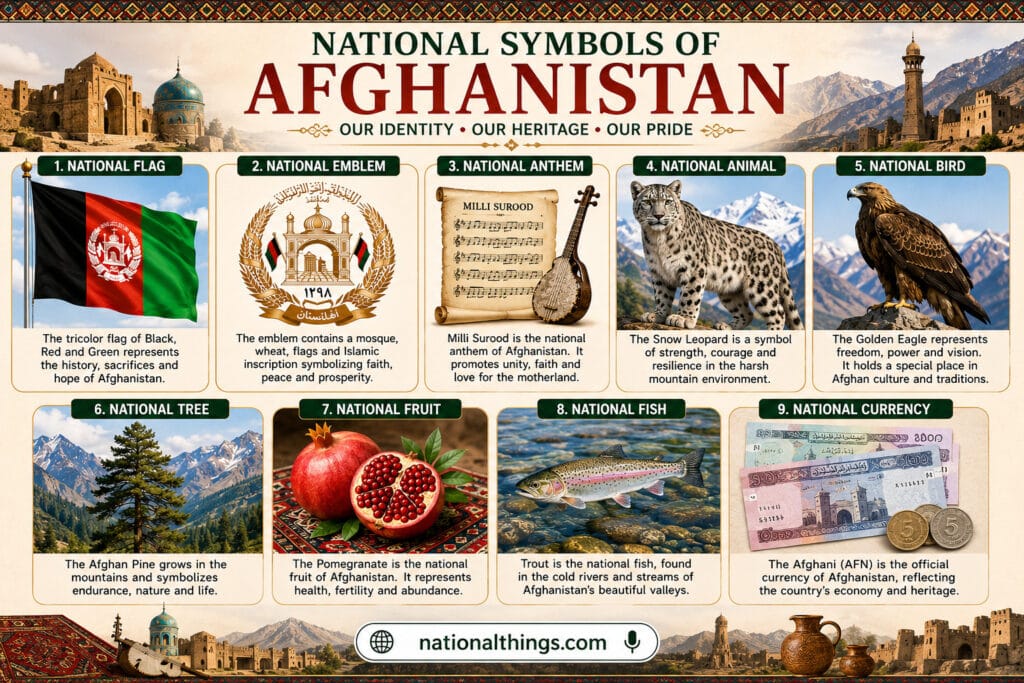
The symbols of Afghanistan include the national flag, national emblem, national anthem, national animal, national bird, national tree, national fruit, national fish, and national currency. Each one tells a different story about the country. Some symbols focus on bravery and independence, while others highlight nature, agriculture, and faith.
Afghan citizens often feel emotionally connected to these symbols because they remind them of family traditions, language, religion, and homeland. Even Afghan communities living in other countries proudly display these national symbols during cultural festivals and important events.
National symbols help countries create unity among people from different backgrounds. Afghanistan has many ethnic groups, languages, and regional cultures. Shared national symbols help connect these communities under one national identity.
These symbols play an important role in Afghan society because they preserve history and cultural memory. Afghanistan experienced wars, political changes, and foreign invasions during different periods. National symbols became reminders of resilience, independence, and survival.
Important reasons why Afghanistan’s national symbols matter include:
Afghan schools teach children about the national flag, anthem, and emblem from an early age. Government offices display these symbols to represent state authority and national pride. During sports events Afghan fans wave the national flag to support athletes and show unity.
Many Afghan artists, writers, and musicians also use national symbols in their work. Traditional carpets, paintings, and poems often include eagles, mountains, wheat patterns, and national colors.
Afghanistan changed many national symbols throughout its political history. Different rulers, governments, and political systems introduced new flags, emblems, and state identities. Despite these changes, several traditional elements remained important, especially Islamic designs, wheat branches, and national colors.
The Afghan flag changed more than 20 times during the last century. Historians consider Afghanistan one of the countries with the highest number of flag changes in modern history. These changes usually happened after political revolutions or government transitions.
The early Afghan flags mostly used the color black because black banners were linked with earlier Islamic dynasties. Later rulers added red and green colors to represent sacrifice, progress, Islam, and prosperity.
Afghanistan gained full independence from British influence in 1919 after the Third Anglo Afghan War. After independence national symbols became stronger signs of sovereignty and national pride.
Several historical Afghan emblems were included:
The national anthem also changed during different governments. Modern versions focused more on national unity and recognition of Afghanistan’s ethnic diversity.
According to the Flags of the World database, Afghanistan experienced one of the highest numbers of official flag changes in the world.
Source: https://www.crwflags.com/fotw/flags/af.html
Here is a complete overview of Afghanistan’s national symbols and their official representation.
| National Symbol | Official Representation |
|---|---|
| National Flag | Black Red Green Flag |
| National Emblem | Islamic Mosque Emblem |
| National Anthem | Milli Surood |
| National Animal | Snow Leopard |
| National Bird | Golden Eagle |
| National Tree | Afghan Pine |
| National Fruit | Pomegranate |
| National Fish | Trout |
| National Currency | Afghani AFN |
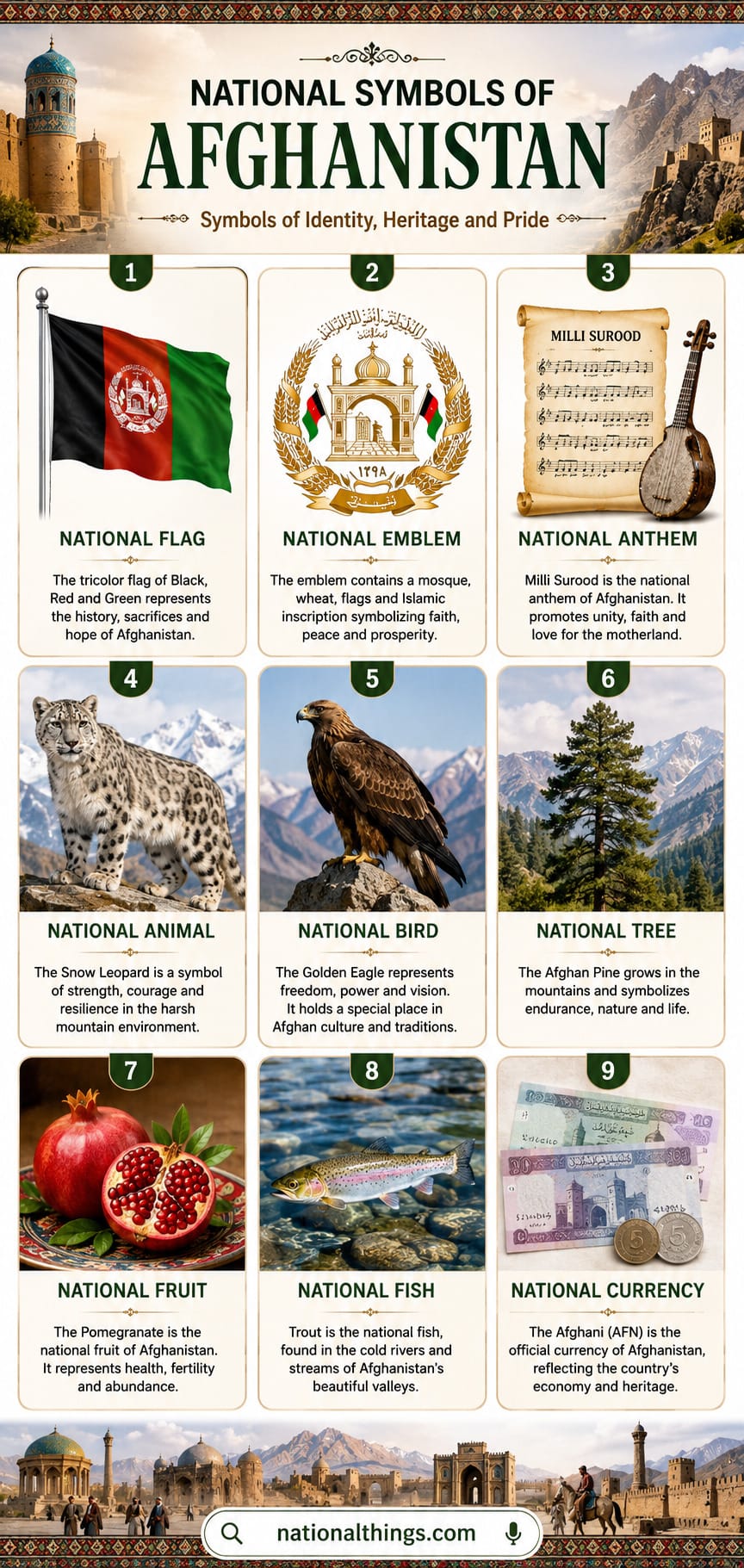
These national things of Afghanistan reflect both cultural and natural heritage. Some symbols focus on religion and history, while others represent mountains, forests, wildlife, and farming traditions.
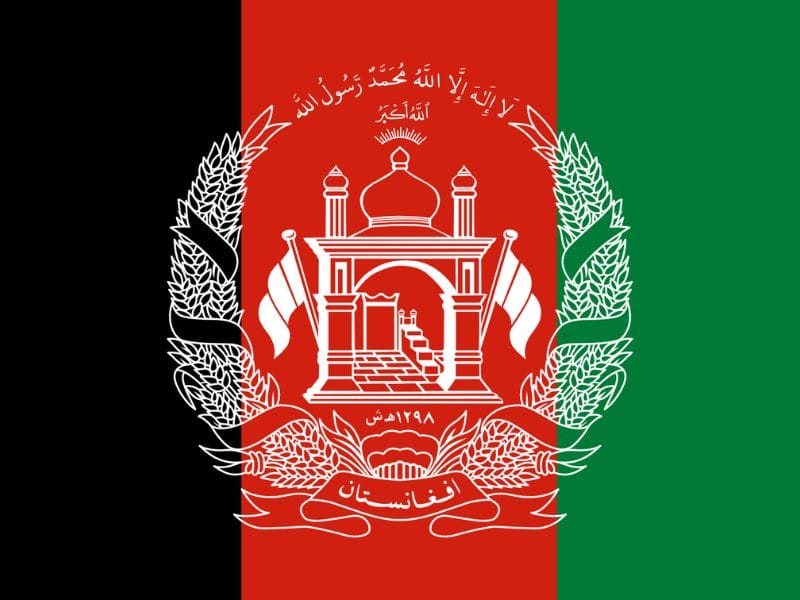
The national flag of Afghanistan traditionally contains three main colors:
Each color carries historical meaning connected with Afghanistan’s past and future.
Many versions of the Afghan flag included the national emblem in white at the center. The emblem often displayed a mosque and wheat branches.
The Afghan flag appears during:
The flag became especially emotional for Afghan refugees and overseas communities because it symbolizes homeland identity and cultural memory.
In traditional Afghan villages people often raised the national flag during weddings, religious celebrations, and local gatherings. This practice showed both patriotism and respect for community traditions.
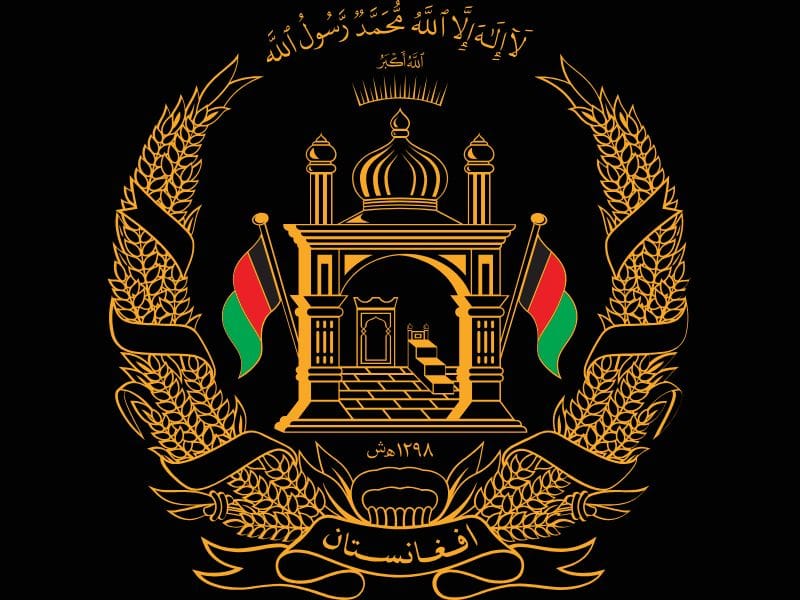
The national emblem contains strong Islamic and cultural symbols that reflect Afghan society.
Important parts of the emblem include:
The mosque shows the central role of Islam in Afghanistan. Wheat branches reflect the importance of farming because agriculture supports millions of Afghan families, especially in rural provinces.
Many traditional Afghan buildings also include decorative Islamic calligraphy similar to the designs found in the emblem. These artistic styles developed through centuries of Persian and Islamic influence.
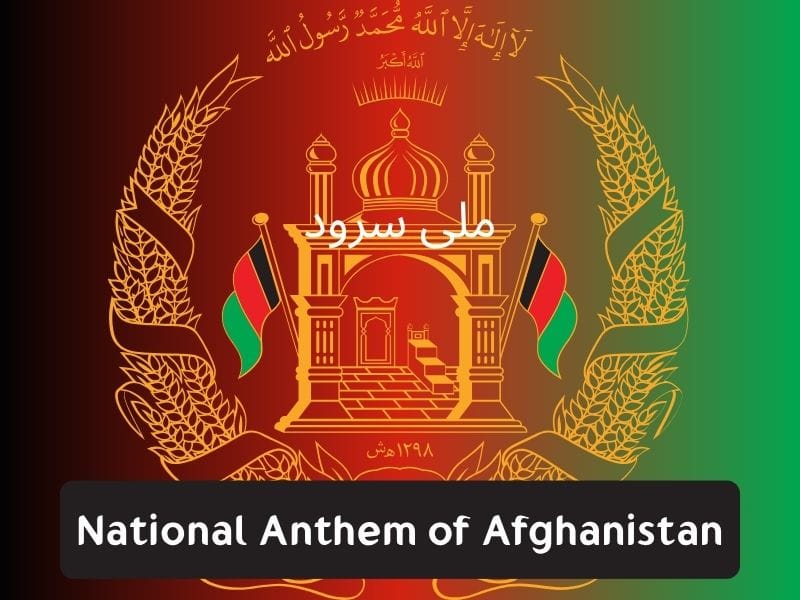
The national anthem of Afghanistan is known as Milli Surood. The anthem contains patriotic and religious themes that emphasize national unity and cultural diversity.
The anthem includes references to:
During international sports matches Afghan athletes stand proudly while the anthem plays. Afghan communities living abroad also sing the anthem during cultural events and independence celebrations.
Music has always been important in Afghan culture. Traditional instruments such as the rubab and tabla often accompany patriotic songs during public celebrations.
Afghanistan’s mountains, valleys, and forests support rare wildlife species. Many of these animals became important cultural symbols through folklore poetry and tribal stories.
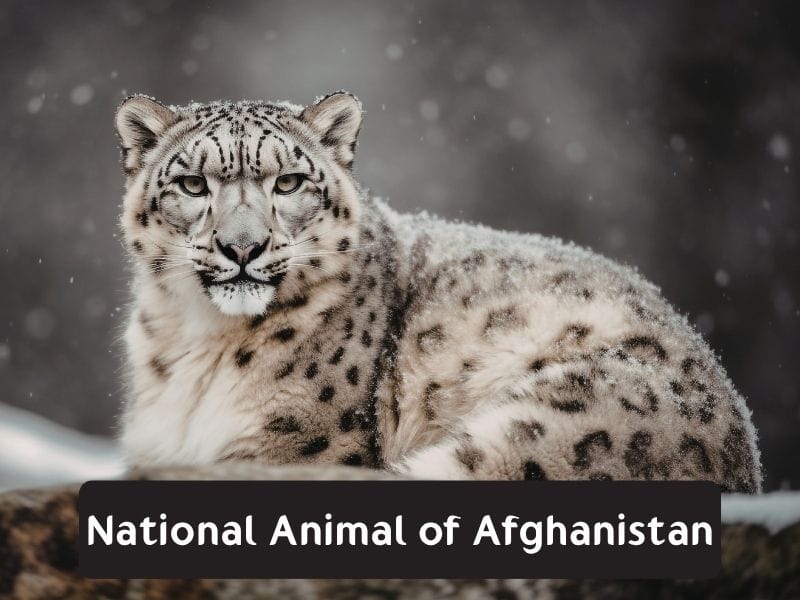
The snow leopard is widely recognized as the national animal of Afghanistan. This rare big cat lives in the cold mountain regions of the Hindu Kush.
The snow leopard survives in harsh environments because of several natural features:
The animal symbolizes:
Afghan villagers in mountain areas sometimes call the snow leopard the “ghost of the mountains” because people rarely see it directly.
Conservation groups now work to protect snow leopards from illegal hunting, habitat destruction, and climate change.
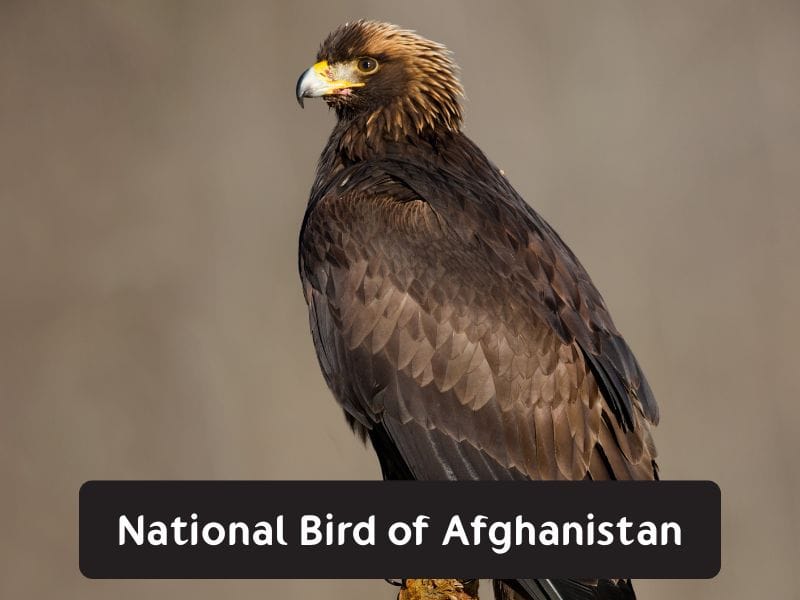
The Golden Eagle serves as the Afghanistan national bird. This bird is famous for its sharp eyesight, fast hunting ability, and powerful wings.
Golden eagles live in high mountain areas and open valleys. Traditional Afghan hunters once trained these birds to hunt foxes, rabbits, and small animals.
The golden eagle appears in:
In Afghan culture, the eagle often represents bravery, leadership, and independence.
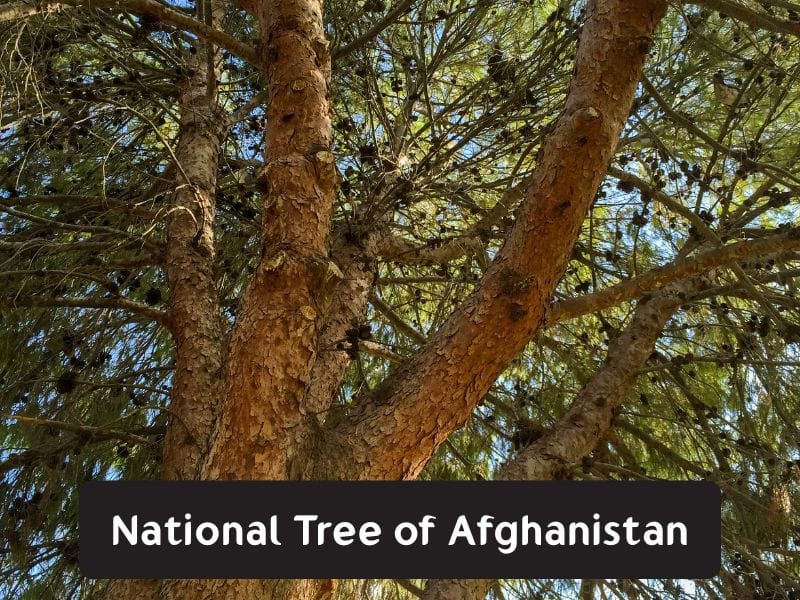
The Afghan pine is connected with the national tree of Afghanistan. Pine forests grow mainly in eastern provinces such as Nuristan, Khost, and Paktia.
These forests provide important environmental and economic benefits:
Years of illegal logging damaged many Afghan forests. Local communities and environmental groups now support reforestation programs to protect these natural resources.
Pine trees also appear in Afghan folk art and village crafts, especially in wooden carvings and furniture.
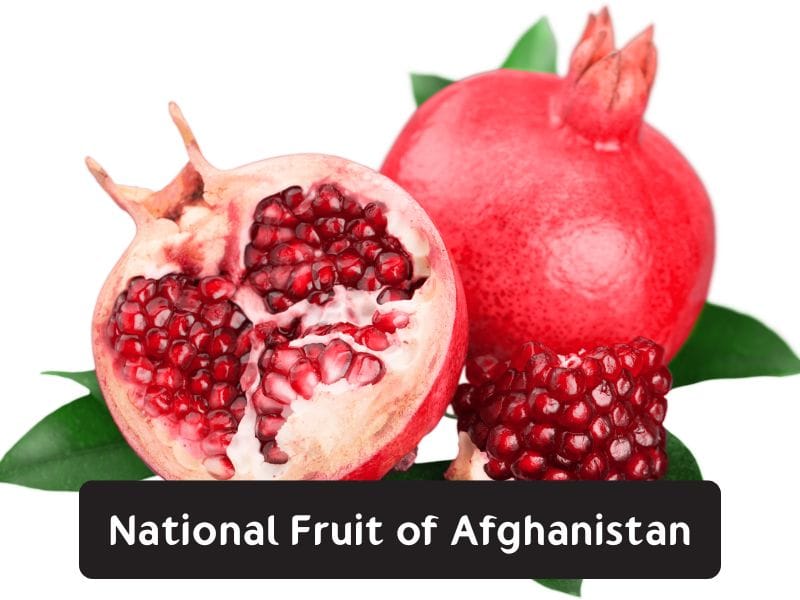
The pomegranate is the national fruit of Afghanistan and one of the country’s most famous agricultural products.
Afghan pomegranates are popular because of their:
Kandahar Province produces some of the best pomegranates in the world. Farmers export these fruits to markets in Asia, the Middle East, and Europe.
Pomegranates hold cultural importance in Afghan homes. Families often serve the fruit during weddings, Eid celebrations, and traditional dinners.
Afghan poetry sometimes uses pomegranates as symbols of beauty, love, and prosperity.
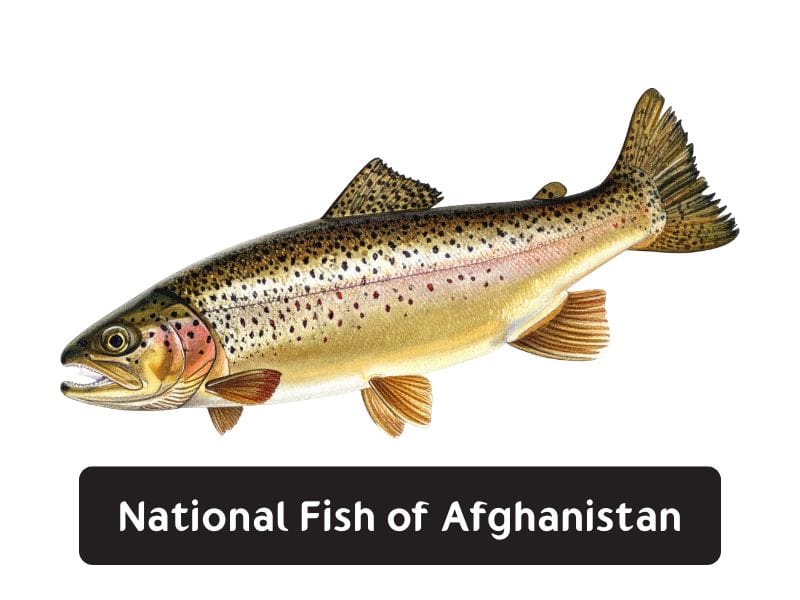
The trout is commonly recognized as the Afghanistan national fish. Trout species live in cold rivers, streams, and lakes in mountain regions.
Major trout areas include:
Trout fishing supports village economies and local food supplies. In some mountain communities families use traditional fishing methods passed down through generations.
Freshwater ecosystems in Afghanistan also support biodiversity and agriculture because rivers provide irrigation for crops.
Afghanistan’s natural landscape also shapes national identity. The country contains:
These natural features appear in Afghan literature, music, carpets, and architecture.
The Hindu Kush mountains especially hold strong cultural meaning because they protected ancient trade routes and villages for centuries.
Afghanistan uses the Afghani as its official currency. The international currency code is AFN.
The Afghani became the official currency in 1925 during reforms introduced by King Amanullah Khan. Currency modernization helped Afghanistan strengthen trade and economic systems.
Afghan banknotes often include:
Traditional geometric art on Afghan currency reflects centuries of Islamic artistic influence.
Money also acts as a cultural symbol because people see national designs every day during trade business and shopping activities.
Afghanistan’s national symbols carry strong cultural and emotional value. These symbols connect people with religion, local traditions, family history, and national identity.
Islam influences many Afghan national symbols because religion plays a central role in society. According to World Bank demographic data, more than 99 percent of Afghanistan’s population follows Islam.
Source: https://data.worldbank.org
Islamic influence appears in:
Afghan handicrafts also preserve national symbolism. Traditional carpets often contain patterns inspired by mountains, animals, flowers, and tribal history.
Common cultural items featuring national symbols include:
Many Afghan poets, writers, and musicians describe national symbols in their creative work. Mountains, eagles, and pomegranates appear regularly in classical Afghan poetry.
Here are some unique and lesser-known facts about Afghanistan symbols:
These facts show how nature, religion, culture, and history combine within Afghanistan’s national symbols.
Afghanistan includes many ethnic communities with different languages, customs, and traditions.
Major ethnic groups include:
National symbols help unite these groups under one shared identity. During national holidays people from different backgrounds celebrate together using the same flag anthem and emblem.
Sports events especially create strong national feelings. Afghan cricket, football, and martial arts fans proudly display the national flag during international tournaments.
Afghan refugees and overseas communities also use national symbols to maintain cultural identity. Community centers, restaurants, and cultural festivals often display Afghan colors, traditional art, and patriotic music.
Today the symbols of Afghanistan appear in both traditional and modern spaces.
Common places where these symbols appear include:
Modern Afghan designers also use national patterns in clothing logos, artwork, and digital graphics.
Young Afghan artists combine traditional symbols with modern styles to preserve cultural identity for future generations.
Technology and online media now allow Afghan communities worldwide to share national culture through videos, photography, educational websites, and virtual celebrations.
You May Also Like:
The snow leopard is widely recognized as the national animal of Afghanistan. It lives in the Hindu Kush mountains and represents strength, survival, and bravery. Wildlife organizations consider it one of the rarest mountain animals in Asia.
The Golden Eagle is the national bird of Afghanistan. Afghan culture respects this bird for its hunting power, sharp eyesight, and connection with tribal traditions. In some regions hunters trained golden eagles for traditional hunting activities.
The Afghan Pine is associated with the national tree of Afghanistan. Pine forests support wildlife, provide wood, and help protect mountain ecosystems from soil erosion and environmental damage.
The pomegranate is the national fruit of Afghanistan. Kandahar pomegranates are famous worldwide because of their sweetness, rich color, and export quality. Afghan families also use pomegranates during important cultural and religious celebrations.
Afghanistan uses the Afghani AFN as its official national currency. Afghan banknotes often contain Islamic art, national monuments, and traditional cultural patterns that reflect the country’s heritage.