
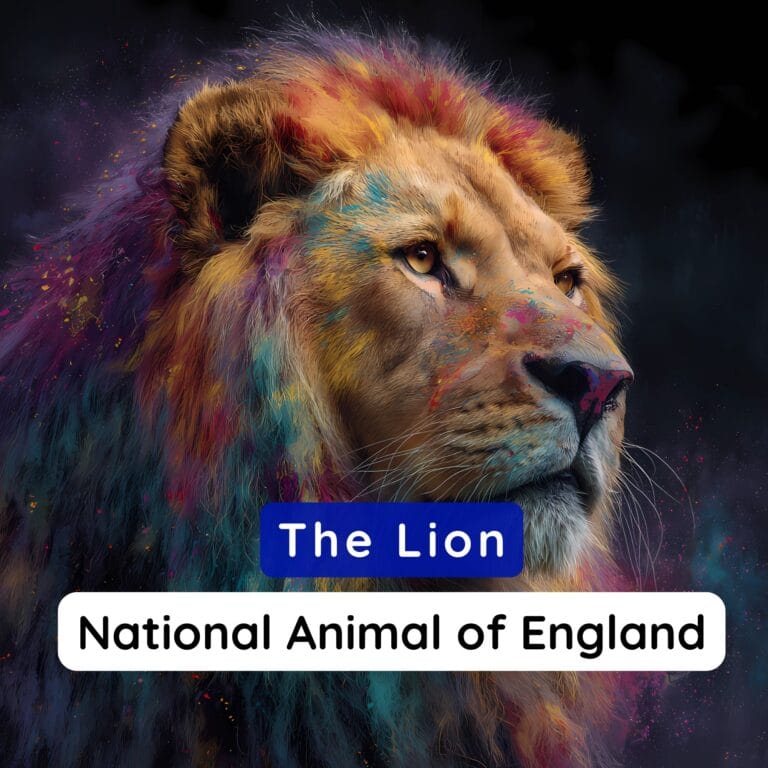
National Animal of England: The Lion
The national animal of England is the lion.It is a powerful and respected symbol that represents strength, courage, and pride.…
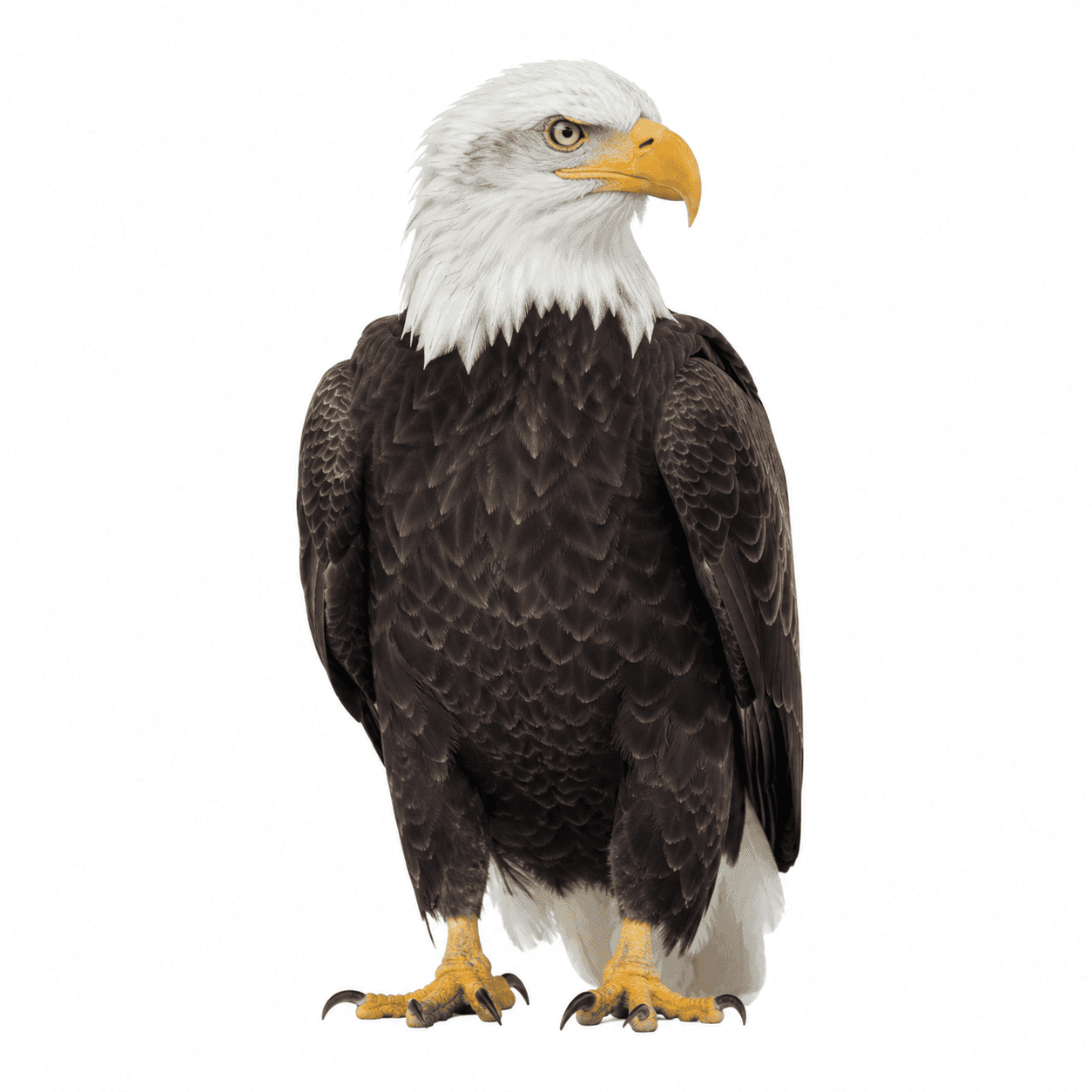
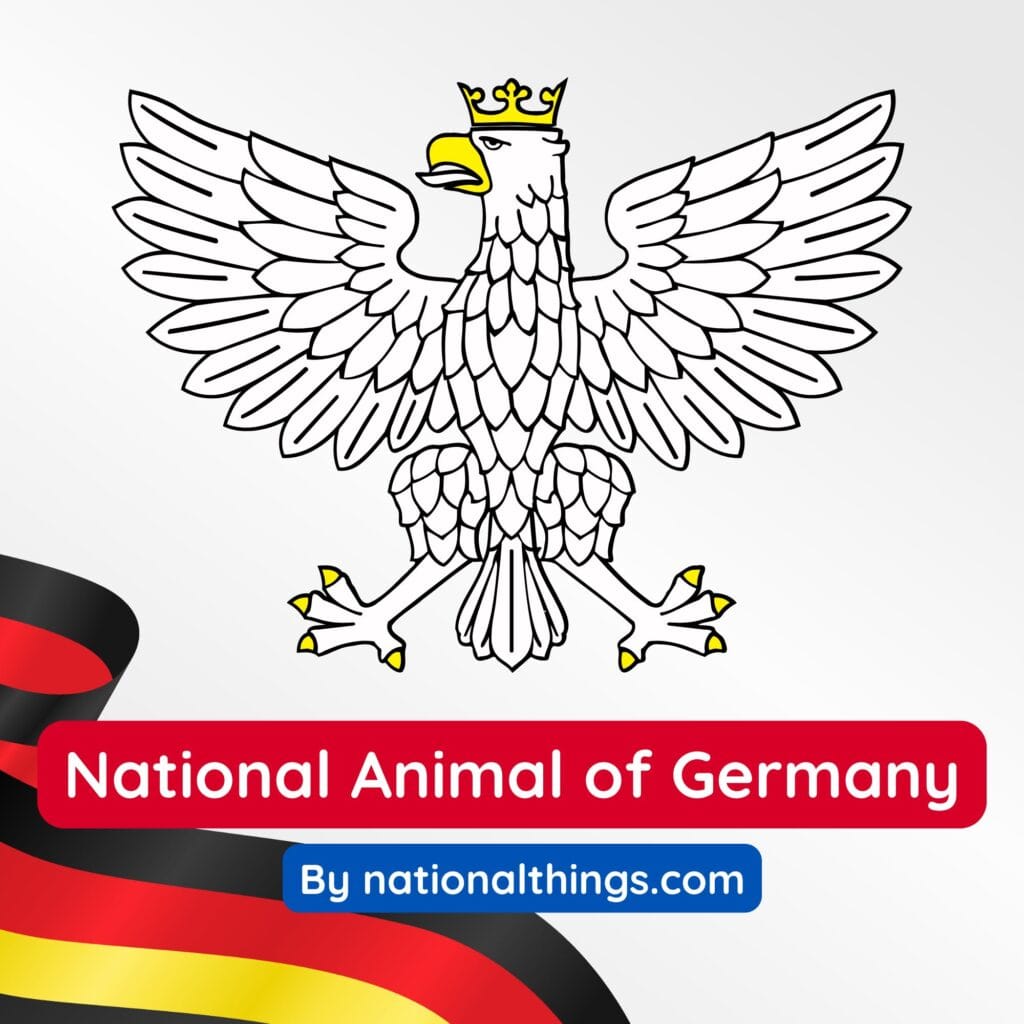
The national animal of Germany is the eagle. In German, it is called the Bundesadler, which means “Federal Eagle.” This powerful bird is one of the oldest national symbols in Europe.
The eagle represents strength, courage, freedom, and sovereignty. It is not chosen because it is common in nature today, but because of its long historical and cultural meaning.
The eagle has been used as a symbol in German lands for more than 1,000 years. It was first connected with the Holy Roman Empire. Later, it became a symbol of unity and authority.
Today, the eagle stands for:
The modern eagle symbol is simple in design, usually black with a red beak and claws on a golden background.
The eagle symbol was widely used in the Holy Roman Empire. It showed imperial power and leadership.
In the 19th century, after German unification in 1871, the eagle became the official symbol of the new German Empire. After World War II, Germany redesigned the eagle to reflect democratic values.
The modern version is used by the Federal Republic of Germany today.
The eagle appears on the official Coat of Arms of Germany.
Key features include:
This design is simple but meaningful. It shows protection and strength without aggressive details.
The eagle is often called the “King of Birds.” In many cultures, it symbolizes power and vision.
In Germany, the eagle represents:
The open wings show readiness and protection.
Yes, some types of eagles live in Germany. For example, the white-tailed eagle can be found in northern regions. However, the national symbol is not linked to one specific species.
The eagle is mainly a symbolic national animal, chosen for its historical importance rather than biology.
The eagle symbol is used widely in official and public life. You can see it on:
It is also displayed inside the Bundestag, which is the national parliament of Germany.
Many countries use the eagle as a national symbol. However, the German eagle has a simple, modern look. It does not wear a crown and does not hold objects like arrows or shields.
Its clean design reflects modern democratic Germany rather than monarchy.
Learning about the national animal of Germany helps students understand:
It improves reading skills and general knowledge about world countries.
The national animal of Germany is the eagle. Known as the Bundesadler, it is a strong symbol of unity, authority, and freedom. The eagle has represented German lands for over a thousand years and continues to be an important part of national identity.
Understanding the eagle helps learners connect history, culture, and modern Germany in a clear and simple way.
Related Articles