National Currency of All Countries: List, Codes, and Symbols
The national currency of all countries may look like a simple list. The subject becomes more complex when two countries…
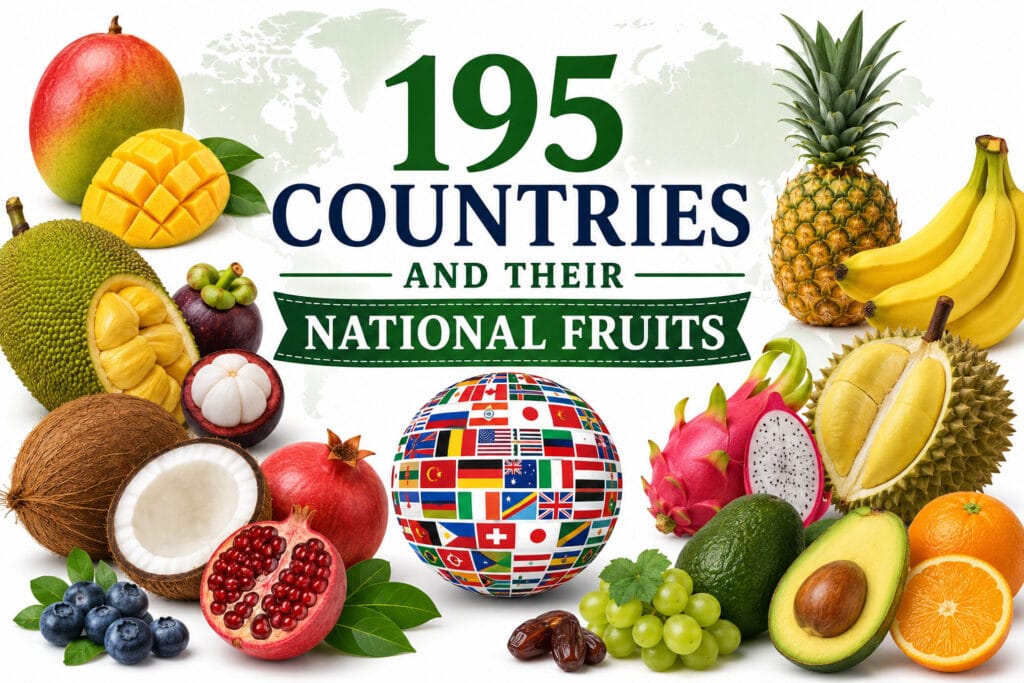
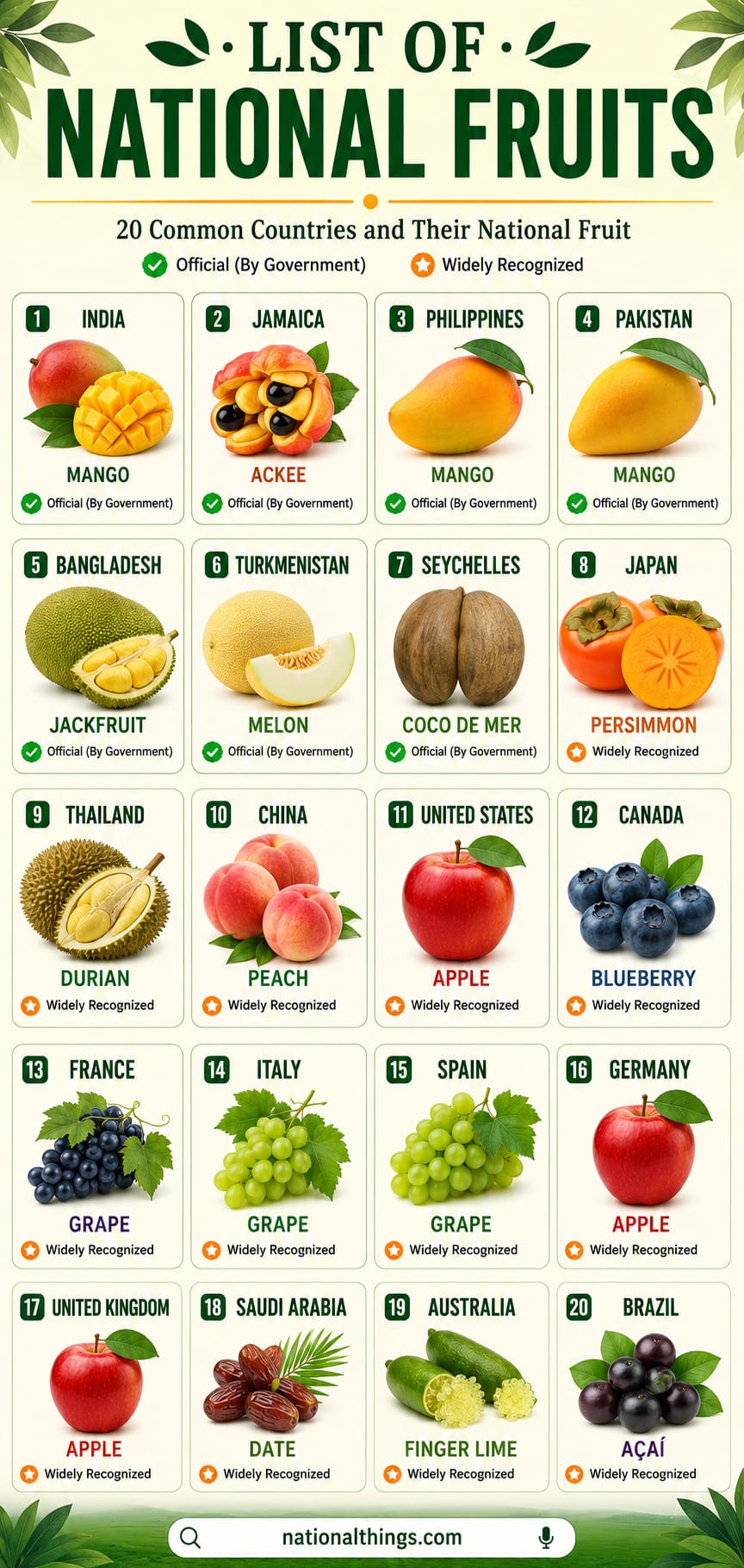
A list of 195 countries and their national fruits might sound simple, but it reveals a fascinating side of every nation. From tropical favorites to rare local harvests, national fruits often reflect a country’s culture, agriculture, and heritage. Some are deeply connected to history, while others represent the pride and identity of the people who grow and enjoy them.
This complete guide brings together the national fruits of countries around the world in one place with easy-to-understand information. You will discover which fruit represents each nation, learn interesting facts behind the selections, and see how different climates and traditions shape these choices. Whether you are researching for school, planning a quiz, or simply exploring world cultures, this list makes it quick and enjoyable to compare the official and widely recognized national fruits of 195 countries.
A national fruit is a fruit that represents a country because of its cultural importance, historical value, or agricultural significance. Some countries officially declare a national fruit through government decisions, while others are recognized through tradition or popular use.
National fruits often:
Note: Many countries do not have an officially declared national fruit. In those cases, this table lists the widely recognized or culturally associated fruit.
| # | Country | National Fruit | Status |
|---|---|---|---|
| 1 | Afghanistan | Pomegranate | Widely Recognized |
| 2 | Albania | Olive | Widely Recognized |
| 3 | Algeria | Date | Widely Recognized |
| 4 | Andorra | Apple | Widely Recognized |
| 5 | Angola | Banana | Widely Recognized |
| 6 | Antigua and Barbuda | Black Pineapple | Widely Recognized |
| 7 | Argentina | Apple | Widely Recognized |
| 8 | Armenia | Apricot | Widely Recognized |
| 9 | Australia | Finger Lime | Widely Recognized |
| 10 | Austria | Apple | Widely Recognized |
| 11 | Azerbaijan | Pomegranate | Widely Recognized |
| 12 | Bahamas | Pineapple | Widely Recognized |
| 13 | Bahrain | Date | Widely Recognized |
| 14 | Bangladesh | Jackfruit | Official |
| 15 | Barbados | Golden Apple | Widely Recognized |
| 16 | Belarus | Apple | Widely Recognized |
| 17 | Belgium | Pear | Widely Recognized |
| 18 | Belize | Black Orchid Fruit (Soursop often associated) | Widely Recognized |
| 19 | Benin | Pineapple | Widely Recognized |
| 20 | Bhutan | Apple | Widely Recognized |
| 21 | Bolivia | Passion Fruit | Widely Recognized |
| 22 | Bosnia and Herzegovina | Plum | Widely Recognized |
| 23 | Botswana | Marula | Widely Recognized |
| 24 | Brazil | Açaí | Widely Recognized |
| 25 | Brunei | Durian | Widely Recognized |
| 26 | Bulgaria | Rose Hip | Widely Recognized |
| 27 | Burkina Faso | Mango | Widely Recognized |
| 28 | Burundi | Banana | Widely Recognized |
| 29 | Cambodia | Sugar Palm Fruit | Widely Recognized |
| 30 | Cameroon | Banana | Widely Recognized |
| 31 | Canada | Blueberry | Widely Recognized |
| 32 | Cape Verde | Banana | Widely Recognized |
| 33 | Central African Republic | Mango | Widely Recognized |
| 34 | Chad | Date | Widely Recognized |
| 35 | Chile | Grape | Widely Recognized |
| 36 | China | Peach | Widely Recognized |
| 37 | Colombia | Lulo | Widely Recognized |
| 38 | Comoros | Ylang-Ylang Fruit | Widely Recognized |
| 39 | Congo | Mango | Widely Recognized |
| 40 | Costa Rica | Cas | Widely Recognized |
| 41 | Croatia | Mandarin Orange | Widely Recognized |
| 42 | Cuba | Mamey Sapote | Widely Recognized |
| 43 | Cyprus | Citrus | Widely Recognized |
| 44 | Czech Republic | Plum | Widely Recognized |
| 45 | Côte d’Ivoire | Cocoa Pod | Widely Recognized |
| 46 | Democratic Republic of the Congo | Plantain | Widely Recognized |
| 47 | Denmark | Apple | Widely Recognized |
| 48 | Djibouti | Date | Widely Recognized |
| 49 | Dominica | Banana | Widely Recognized |
| 50 | Dominican Republic | Mango | Widely Recognized |
| 51 | Ecuador | Banana | Widely Recognized |
| 52 | Egypt | Date | Widely Recognized |
| 53 | El Salvador | Jocote | Widely Recognized |
| 54 | Equatorial Guinea | Banana | Widely Recognized |
| 55 | Eritrea | Fig | Widely Recognized |
| 56 | Estonia | Apple | Widely Recognized |
| 57 | Eswatini | Marula | Widely Recognized |
| 58 | Ethiopia | Coffee Cherry | Widely Recognized |
| 59 | Fiji | Coconut | Widely Recognized |
| 60 | Finland | Cloudberry | Widely Recognized |
| 61 | France | Grape | Widely Recognized |
| 62 | Gabon | Mango | Widely Recognized |
| 63 | Gambia | Mango | Widely Recognized |
| 64 | Georgia | Grape | Widely Recognized |
| 65 | Germany | Apple | Widely Recognized |
| 66 | Ghana | Pineapple | Widely Recognized |
| 67 | Greece | Olive | Widely Recognized |
| 68 | Grenada | Nutmeg Fruit | Widely Recognized |
| 69 | Guatemala | Avocado | Widely Recognized |
| 70 | Guinea | Mango | Widely Recognized |
| 71 | Guinea-Bissau | Cashew Apple | Widely Recognized |
| 72 | Guyana | Golden Apple | Widely Recognized |
| 73 | Haiti | Mango | Widely Recognized |
| 74 | Honduras | Mango | Widely Recognized |
| 75 | Hungary | Apricot | Widely Recognized |
| 76 | Iceland | Bilberry | Widely Recognized |
| 77 | India | Mango | Official |
| 78 | Indonesia | Durian | Widely Recognized |
| 79 | Iran | Pomegranate | Widely Recognized |
| 80 | Iraq | Date | Widely Recognized |
| 81 | Ireland | Apple | Widely Recognized |
| 82 | Israel | Jaffa Orange | Widely Recognized |
| 83 | Italy | Grape | Widely Recognized |
| 84 | Jamaica | Ackee | Official |
| 85 | Japan | Persimmon | Widely Recognized |
| 86 | Jordan | Olive | Widely Recognized |
| 87 | Kazakhstan | Apple | Widely Recognized |
| 88 | Kenya | Mango | Widely Recognized |
| 89 | Kiribati | Coconut | Widely Recognized |
| 90 | Kuwait | Date | Widely Recognized |
| 91 | Kyrgyzstan | Apricot | Widely Recognized |
| 92 | Laos | Sticky Rice Mango (Mango) | Widely Recognized |
| 93 | Latvia | Apple | Widely Recognized |
| 94 | Lebanon | Grape | Widely Recognized |
| 95 | Lesotho | Peach | Widely Recognized |
| 96 | Liberia | Pineapple | Widely Recognized |
| 97 | Libya | Date | Widely Recognized |
| 98 | Liechtenstein | Apple | Widely Recognized |
| 99 | Lithuania | Apple | Widely Recognized |
| 100 | Luxembourg | Plum | Widely Recognized |
| 101 | Madagascar | Lychee | Widely Recognized |
| 102 | Malawi | Mango | Widely Recognized |
| 103 | Malaysia | Papaya | Widely Recognized |
| 104 | Maldives | Coconut | Widely Recognized |
| 105 | Mali | Mango | Widely Recognized |
| 106 | Malta | Orange | Widely Recognized |
| 107 | Marshall Islands | Coconut | Widely Recognized |
| 108 | Mauritania | Date | Widely Recognized |
| 109 | Mauritius | Lychee | Widely Recognized |
| 110 | Mexico | Avocado | Widely Recognized |
| 111 | Micronesia | Breadfruit | Widely Recognized |
| 112 | Moldova | Grape | Widely Recognized |
| 113 | Monaco | Lemon | Widely Recognized |
| 114 | Mongolia | Sea Buckthorn | Widely Recognized |
| 115 | Montenegro | Olive | Widely Recognized |
| 116 | Morocco | Date | Widely Recognized |
| 117 | Mozambique | Cashew | Widely Recognized |
| 118 | Myanmar | Mango | Widely Recognized |
| 119 | Namibia | Marula | Widely Recognized |
| 120 | Nauru | Coconut | Widely Recognized |
| 121 | Nepal | Lapsi | Widely Recognized |
| 122 | Netherlands | Apple | Widely Recognized |
| 123 | New Zealand | Kiwifruit | Widely Recognized |
| 124 | Nicaragua | Mango | Widely Recognized |
| 125 | Niger | Date | Widely Recognized |
| 126 | Nigeria | Mango | Widely Recognized |
| 127 | North Korea | Persimmon | Widely Recognized |
| 128 | North Macedonia | Grape | Widely Recognized |
| 129 | Norway | Apple | Widely Recognized |
| 130 | Oman | Date | Widely Recognized |
| 131 | Pakistan | Mango | Official |
| 132 | Palau | Coconut | Widely Recognized |
| 133 | Palestine | Olive | Widely Recognized |
| 134 | Panama | Pineapple | Widely Recognized |
| 135 | Papua New Guinea | Banana | Widely Recognized |
| 136 | Paraguay | Orange | Widely Recognized |
| 137 | Peru | Lucuma | Widely Recognized |
| 138 | Philippines | Mango | Official |
| 139 | Poland | Apple | Widely Recognized |
| 140 | Portugal | Grape | Widely Recognized |
| 141 | Qatar | Date | Widely Recognized |
| 142 | Romania | Plum | Widely Recognized |
| 143 | Russia | Apple | Widely Recognized |
| 144 | Rwanda | Banana | Widely Recognized |
| 145 | Saint Kitts and Nevis | Mango | Widely Recognized |
| 146 | Saint Lucia | Golden Apple | Widely Recognized |
| 147 | Saint Vincent and the Grenadines | Breadfruit | Widely Recognized |
| 148 | Samoa | Coconut | Widely Recognized |
| 149 | San Marino | Grape | Widely Recognized |
| 150 | Saudi Arabia | Date | Widely Recognized |
| 151 | Senegal | Mango | Widely Recognized |
| 152 | Serbia | Plum | Widely Recognized |
| 153 | Seychelles | Coco de Mer | Official |
| 154 | Sierra Leone | Mango | Widely Recognized |
| 155 | Singapore | Durian | Widely Recognized |
| 156 | Slovakia | Plum | Widely Recognized |
| 157 | Slovenia | Apple | Widely Recognized |
| 158 | Solomon Islands | Coconut | Widely Recognized |
| 159 | Somalia | Banana | Widely Recognized |
| 160 | South Africa | Marula | Widely Recognized |
| 161 | South Korea | Persimmon | Widely Recognized |
| 162 | South Sudan | Mango | Widely Recognized |
| 163 | Spain | Grape | Widely Recognized |
| 164 | Sri Lanka | Jackfruit | Widely Recognized |
| 165 | Sudan | Date | Widely Recognized |
| 166 | Suriname | Coconut | Widely Recognized |
| 167 | Sweden | Lingonberry | Widely Recognized |
| 168 | Switzerland | Apple | Widely Recognized |
| 169 | Syria | Olive | Widely Recognized |
| 170 | São Tomé and Príncipe | Cocoa Pod | Widely Recognized |
| 171 | Tajikistan | Apricot | Widely Recognized |
| 172 | Tanzania | Mango | Widely Recognized |
| 173 | Thailand | Durian | Widely Recognized |
| 174 | Timor-Leste | Coconut | Widely Recognized |
| 175 | Togo | Pineapple | Widely Recognized |
| 176 | Tonga | Coconut | Widely Recognized |
| 177 | Trinidad and Tobago | Cocoa Pod | Widely Recognized |
| 178 | Tunisia | Date | Widely Recognized |
| 179 | Turkey | Fig | Widely Recognized |
| 180 | Turkmenistan | Melon | Official |
| 181 | Tuvalu | Coconut | Widely Recognized |
| 182 | Uganda | Jackfruit | Widely Recognized |
| 183 | Ukraine | Cherry | Widely Recognized |
| 184 | United Arab Emirates | Date | Widely Recognized |
| 185 | United Kingdom | Apple | Widely Recognized |
| 186 | United States | Apple | Widely Recognized |
| 187 | Uruguay | Grape | Widely Recognized |
| 188 | Uzbekistan | Melon | Widely Recognized |
| 189 | Vanuatu | Coconut | Widely Recognized |
| 190 | Vatican City | Olive | Widely Recognized |
| 191 | Venezuela | Mango | Widely Recognized |
| 192 | Vietnam | Dragon Fruit | Widely Recognized |
| 193 | Yemen | Date | Widely Recognized |
| 194 | Zambia | Mango | Widely Recognized |
| 195 | Zimbabwe | Mazoe Orange | Widely Recognized |
This collection of 195 countries and their national fruits can help many different readers.
It is useful for:
By comparing countries side by side, you can quickly see how agriculture, climate, and tradition influence the fruits that nations proudly identify with.
Some fruits appear as national symbols in several countries because they grow naturally across large regions and have been important for generations.
The mango is one of the world’s most celebrated fruits and is associated with countries such as:
Apples represent many countries across Europe and Central Asia.
Dates thrive in hot desert climates and are closely linked with:
Countries commonly associated with coconuts include:
You May Also Like:
No. Many countries have never officially declared a national fruit. In those cases, the fruit most closely linked with the country’s culture, agriculture, or history is widely recognized as its national fruit.
A few countries have officially recognized national fruits, including India (Mango), Pakistan (Mango), Bangladesh (Jackfruit), Jamaica (Ackee), and the Philippines (Mango). Many others rely on tradition rather than official government designation.
Countries with similar climates and farming traditions often grow the same fruits. For example, mangoes are important in several South Asian and African nations, while dates are closely associated with many Middle Eastern countries.
An official national fruit is formally declared by a government or legal authority. A widely recognized national fruit gains its status through history, public acceptance, farming, or cultural importance without an official declaration.
The mango is one of the most common national fruits and is associated with several countries. Apples, dates, bananas, grapes, and coconuts are also widely recognized as national fruits in different regions.
Yes. A government can officially adopt a different national fruit if it chooses to, although such changes are uncommon because these symbols are usually tied to long-standing traditions and cultural identity.