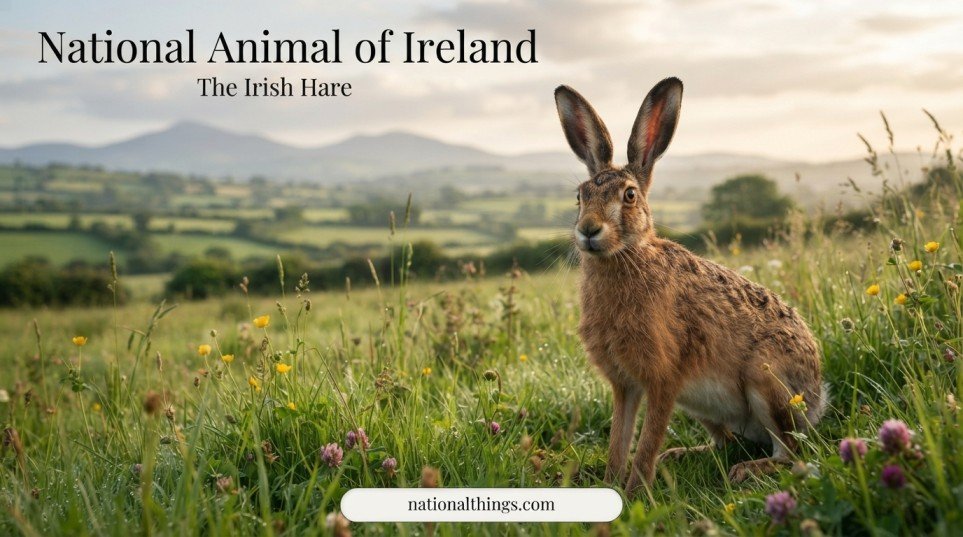
The National Animal of Ireland is commonly identified as the Irish hare, a native mammal known for its long ears, powerful hind legs, and reddish-brown coat. Although Ireland has no formally designated official national animal, the Irish hare is widely associated with the country’s natural heritage and wildlife identity. The Irish hare is a distinctive population of the mountain hare and has lived on the island for thousands of years. Its connection with Ireland, along with its presence in grasslands, coastal areas, and upland habitats, makes it an important part…
Read MoreCategory: National Animals
Welcome to the National Animals category of nationalthings.com. Here, you will find clear and trusted information about the national animal of each country around the world. This section is specially designed for learners who want simple, accurate, and well-explained knowledge in easy wording.
In this category, we explain:
- The official national animal of each country
- The history behind its selection
- What the animal represents
- Its cultural and national importance
- The meaning of symbols and emblems
- Interesting and educational facts
Each article is written in a learner-friendly style. We focus on clear explanations, short paragraphs, and useful vocabulary. You will understand not only the animal itself, but also its connection with the country’s identity, traditions, and values.
National animals are more than wildlife. They show courage, strength, freedom, unity, or cultural pride. By reading country-wise guides, you will improve your general knowledge and expand your English vocabulary related to history, culture, and national symbols.
Whether you are a student, teacher, or knowledge lover, this category helps you explore the world through its national animals — one country at a time.
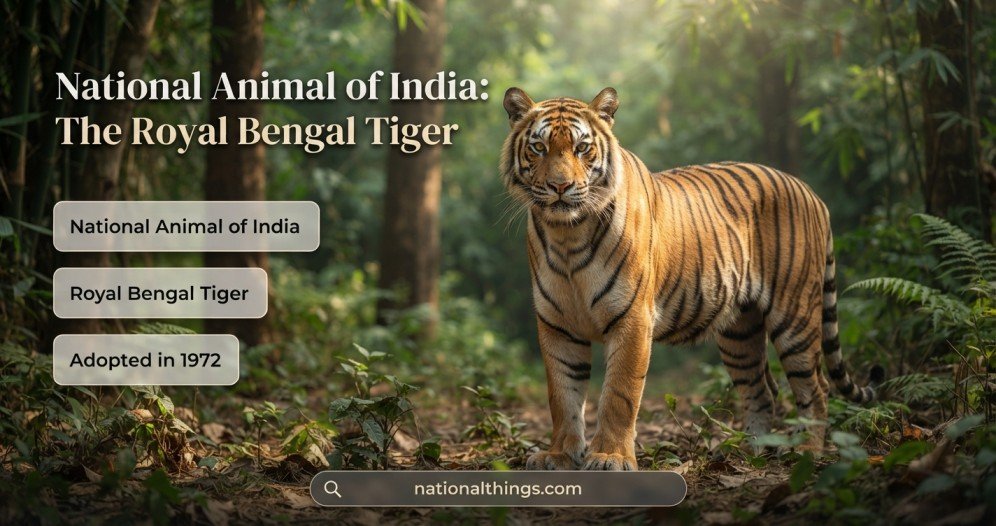
National Animal of India: The Royal Bengal Tiger Explained with Pictures
The national animal of India is the Royal Bengal Tiger, scientifically known as Panthera tigris tigris. Recognized for its powerful body, orange coat, black stripes, and strength, this magnificent big cat represents India’s wildlife heritage and natural diversity. India adopted the tiger as its national animal in 1973, replacing the Asiatic lion. The Royal Bengal Tiger symbolizes strength, courage, power, and grace, making it an important national symbol. It is also closely associated with India’s wildlife conservation efforts, particularly Project Tiger, which was launched in 1973 to protect the country’s…
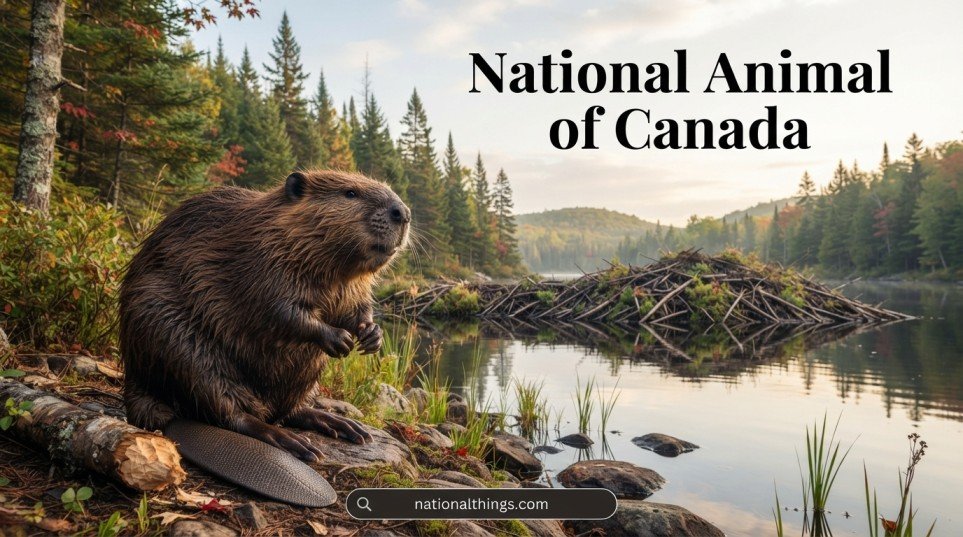
Read MoreNational Animal of Canada: The Beaver, Meaning, History, and Facts
The National Animal of Canada is the North American beaver (Castor canadensis), an official symbol of Canadian sovereignty and a well-known part of the country’s national identity. The beaver became an official national symbol on March 24, 1975, under the National Symbol of Canada Act. However, its connection with Canada began centuries earlier through Indigenous traditions, the fur trade, and the development of early Canadian communities. The beaver represents resourcefulness, hard work, and Canadian heritage. Its image appears on Canadian coins and historic emblems, making it one of the country’s…
Read MoreNational Animal of Scotland: The Unicorn, Meaning, History, and Facts
The national animal of Scotland is the unicorn, a mythical creature that has represented Scottish identity, royal power, and cultural heritage for centuries. Unlike the national animals of many countries, Scotland’s symbol does not belong to the natural world. Instead, the unicorn appears in royal coats of arms, historic monuments, coins, and important Scottish landmarks. Its distinctive appearance, powerful symbolism, and connection with Scottish history make it one of the country’s most recognizable national symbols. The unicorn also represents qualities such as strength, purity, independence, and courage, which have long…
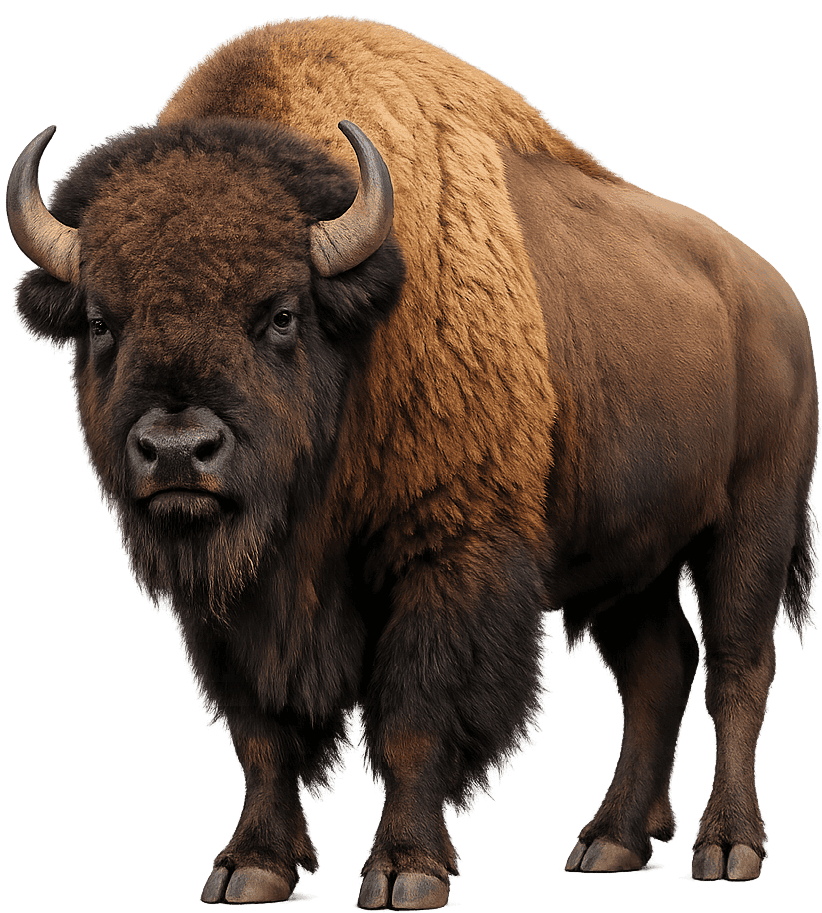
Read MoreNational Animal of the USA: The American Bison
The national animal of the USA is commonly identified as the American bison, but its exact legal title is the national mammal of the United States. This massive native animal once moved across North America in herds containing thousands of individuals. It shaped grasslands, supported Indigenous communities, and became part of American history. The American bison nearly disappeared during the nineteenth century. Large-scale killing and habitat loss reduced a population of tens of millions to fewer than 1,000 animals. Careful breeding, habitat protection, Tribal restoration, and public conservation programs helped…
Read More