Skip to content

National Things

Every Thing That Matters

  • Home
  • Symbols
  • Animals
  • Birds
  • Flowers
  • Foods
  • Fruits
  • Currencies
  • Flags

National Animal of Peru: The Vicuña

  • Home
  • National Animals
  • National Animal of Peru: The Vicuña
The Vicuña is the National Animal of Peru

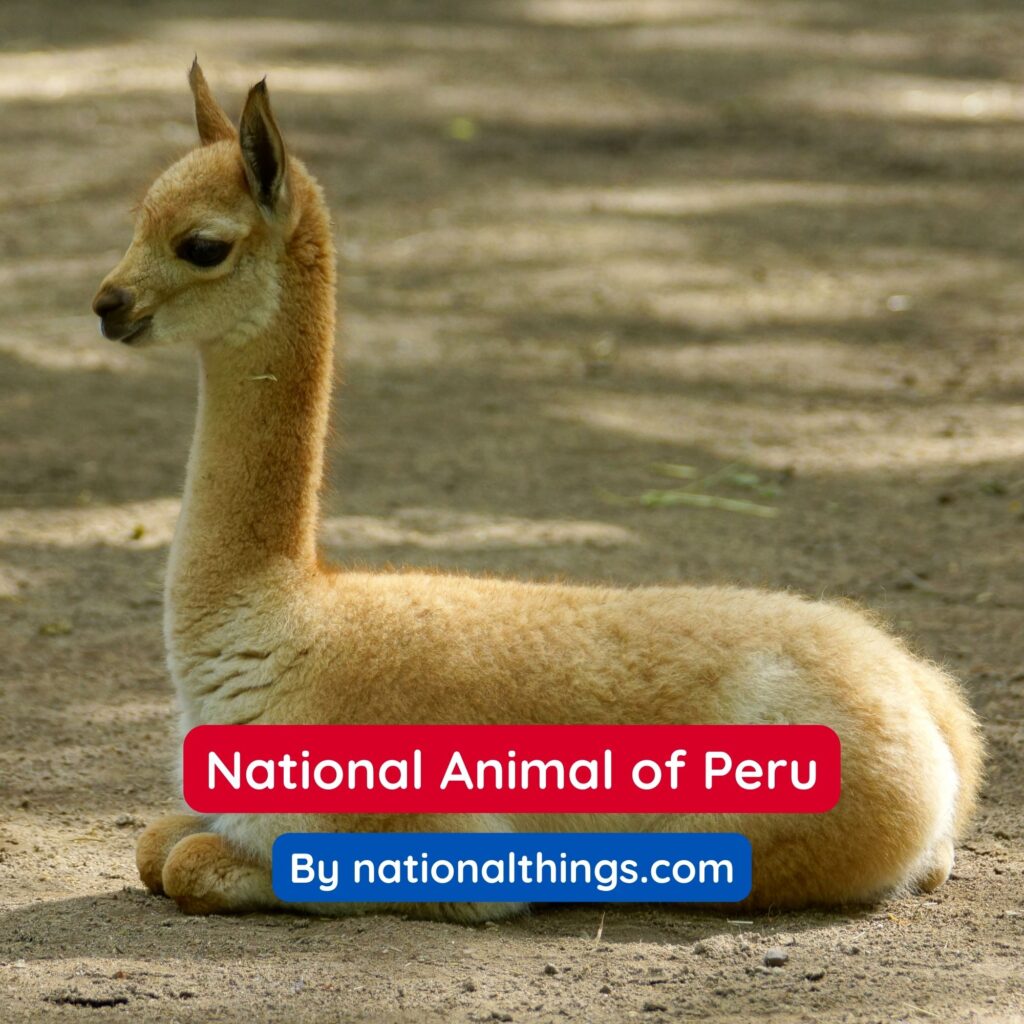
The national animal of Peru is the beautiful Vicuña. This graceful animal is known for its fine wool, gentle nature, and strong connection to the history and culture of Peru.

The vicuña is one of the most valuable and respected animals in the Andes region. It lives high in the mountains and has been protected for many years because of its importance to the country’s wildlife and heritage.

Learning about the vicuña helps readers understand the unique animals that live in South America and why protecting them is important.

Contents
6mn read
  1. The Vicuña as the National Animal of Peru
  2. Physical Characteristics of the Vicuña
    1. Key Features
  3. Natural Habitat of the Vicuña
    1. Common Habitat Areas
  4. Diet and Feeding Habits
    1. Common Foods
  5. Cultural Importance in Peru
  6. Why Vicuña Wool Is So Valuable
    1. Reasons for Its Value
  7. Conservation and Protection
    1. Protection Efforts
  8. Interesting Facts About the Vicuña
  9. Importance of Protecting the National Animal of Peru
  10. FAQs
  11. Conclusion

The Vicuña as the National Animal of Peru

The vicuña is officially recognized as the national animal of Peru. It belongs to the camelid family, which also includes animals such as the Llama and the Alpaca.

Among these animals, the vicuña is the wild and most delicate species. It is admired for its light body, soft wool, and ability to live in very high mountain areas.

Because the vicuña represents the natural beauty of Peru, it appears on the national coat of arms of the country.

Physical Characteristics of the Vicuña

The vicuña has an elegant and slender body. It is smaller than the llama but very fast and active.

Key Features

  • Slim body with long legs
  • Light brown or golden coat
  • White fur on the chest and belly
  • Long neck and small head
  • Large dark eyes
  • Soft and extremely fine wool

One of the most famous features of the vicuña is its luxurious wool, which is considered one of the finest natural fibers in the world.

Natural Habitat of the Vicuña

The vicuña lives mainly in the high mountains of the Andes Mountains.

These animals survive in areas that are very cold and windy. They are well adapted to life at high altitudes.

Common Habitat Areas

  • Mountain grasslands
  • High plateaus
  • Cold and dry regions
  • Open plains in the Andes

In Peru, vicuñas can be found in several protected natural reserves.

Diet and Feeding Habits

Vicuñas are herbivores, which means they eat plants.

Common Foods

  • Mountain grasses
  • Small plants
  • Herbs
  • Leaves

They graze slowly and carefully, helping maintain the natural balance of the grasslands where they live.

Cultural Importance in Peru

The vicuña has been important in Peruvian culture for many centuries. During the time of the Inca civilization, the animal was highly respected.

In the past, only royalty and important leaders were allowed to wear clothing made from vicuña wool.

Today, the animal still represents:

  • National pride
  • Cultural heritage
  • Natural wealth of Peru
  • Respect for wildlife

The vicuña’s image on Peru’s coat of arms shows its importance to the country.

Why Vicuña Wool Is So Valuable

Vicuña wool is famous around the world because it is extremely soft and rare.

Reasons for Its Value

  • Very fine and lightweight fiber
  • Naturally warm and soft
  • Rare and difficult to collect
  • Considered a luxury material

Because of these qualities, vicuña wool is often used to make high-quality clothing such as scarves and coats.

Conservation and Protection

In the past, the vicuña population became very low because of illegal hunting. Many animals were killed for their valuable wool.

To protect the national animal of Peru, strong conservation programs were introduced.

Protection Efforts

  • Wildlife protection laws
  • National parks and reserves
  • Controlled wool harvesting
  • Community conservation programs

These efforts have helped increase the vicuña population and protect this important animal.

Interesting Facts About the Vicuña

The vicuña has several fascinating characteristics that make it unique.

  • It is the smallest member of the camelid family.
  • It can run very fast to escape predators.
  • Its wool is among the finest natural fibers in the world.
  • Vicuñas live in family groups led by a male.
  • They are well adapted to high mountain environments.

These features make the vicuña one of the most remarkable animals of South America.

Importance of Protecting the National Animal of Peru

Protecting the vicuña helps maintain the natural environment of the Andes Mountains. It also preserves an important part of Peruvian culture and history.

When wildlife is protected, ecosystems remain healthy and balanced.

The vicuña reminds people that nature should be respected and carefully protected for future generations.

FAQs

What is the national animal of Peru?

The national animal of Peru is the Vicuña. It is a wild camelid known for its soft wool and graceful appearance. The animal symbolizes the natural heritage of Peru.

Why is the vicuña the national animal of Peru?

The vicuña is the national animal of Peru because it represents the country’s unique wildlife and Andean heritage. It also appears on the national coat of arms as a symbol of natural wealth.

Where does the national animal of Peru live?

The vicuña, the national animal of Peru, lives mainly in the high regions of the Andes Mountains. These areas have cold weather and open grasslands suitable for grazing.

What does the vicuña eat?

The national animal of Peru, the vicuña, eats grasses, small plants, herbs, and leaves. It is a herbivore that slowly grazes on natural vegetation found in mountain grasslands.

Why is vicuña wool so valuable?

Vicuña wool is one of the finest natural fibers in the world. It is extremely soft, lightweight, and warm, making it highly valued for producing luxury clothing.

Is the national animal of Peru protected?

Yes, the vicuña is protected by wildlife laws in Peru. Conservation programs and protected reserves help increase its population and prevent illegal hunting.

How is the vicuña different from a llama or alpaca?

The vicuña is smaller and lives in the wild, while the Llama and Alpaca are domesticated animals raised by people in the Andes region.

Conclusion

The vicuña is the proud national animal of Peru. Known for its graceful appearance and valuable wool, this animal represents the country’s natural beauty and cultural heritage.

Living high in the Andes Mountains, the vicuña shows how wildlife can adapt to difficult environments. Thanks to conservation efforts, this remarkable animal continues to thrive and remain an important symbol of Peru.

Related Articles:

Related Posts:

  • All Countries and Their National Flags
    List of All Countries and Their National Flags:…
  • National Symbols of Asian Countries with Pictures
    National Symbols of Asian Countries: Explained with Meanings
  • National Currency of Countries Explained with Codes and Symbols
    National Currency of All Countries: List, Codes, and Symbols
  • Countries and Their National Animals
    150 Most Important Countries and Their National Animals
  • European Countries and their National Symbols with Pictures
    National Symbols of European Countries: Explained…
  • List of National Flowers by Countries
    List of National Flowers by Countries with Official Status
National Animal of New Zealand

Previous article

National Animal of New Zealand: The Kiwi

Next article

150 Most Important Countries and Their National Animals
Countries and Their National Animals

Related Posts

What Is the National Fruit of the Philippines 05 May 2026

National Fruit of the Philippines: Meaning, History, and Importance

National Fruit of the Philippines reflects the country’s rich food culture and strong agricultural roots. Mango, especially the Carabao variety,…
Read More
National Fruit of India 21 Feb 2026

National Fruit of India: Mango

India is a land of rich culture, traditions, and natural diversity. Among its many treasures, fruits hold a special place…
Read More
Siberian Tiger is the National Animal of South Korea 06 Mar 2026

National Animal of South Korea

When we think about countries, many of them have symbols that represent their culture, nature, or history. South Korea is…
Read More
National Birds of Australia 18 Feb 2026

National Birds of Australia – Interesting Facts and History

Australia is famous for its unique wildlife. From kangaroos to koalas, many animals live only in this country. But when…
Read More

Latest Articles

  • National Symbols of European Countries: Explained with History
  • National Symbols of Asian Countries: Explained with Meanings
  • National Flag of USA: Meaning, Stars, Stripes, History, and Facts
  • National Symbols of African Countries: Explained with Meanings
  • National Bird of the USA: The Bald Eagle

Related Posts

  • All Countries and Their National Flags
    List of All Countries and Their National Flags:…
  • Discover the American bison, national animal of the USA, with facts about its history, symbolism, habitat, traits, and cultural importance.
    National Animal of the USA: The American Bison
  • European Countries and their National Symbols with Pictures
    National Symbols of European Countries: Explained…
  • List of National Flowers by Countries
    List of National Flowers by Countries with Official Status
  • National Symbols of Asian Countries with Pictures
    National Symbols of Asian Countries: Explained with Meanings
  • Discover the bald eagle, national bird of the USA, with facts about its symbolism, habitat, diet, speed, lifespan, and national importance.
    National Bird of the USA: The Bald Eagle

Main Pages

  • Home
  • Contact Us
  • Subscribe to Our Newsletter
  • Feedback and Suggestions

Important Pages

  • Privacy Policy
  • Terms of Service
  • Extra Crunch Terms
  • Code of Conduct
© Copyright 2026 All Rights Reserved. Developed by Ikreate Themes Privacy Policy
  • Home
  • Symbols
  • Animals
  • Birds
  • Flowers
  • Foods
  • Fruits
  • Currencies
  • Flags