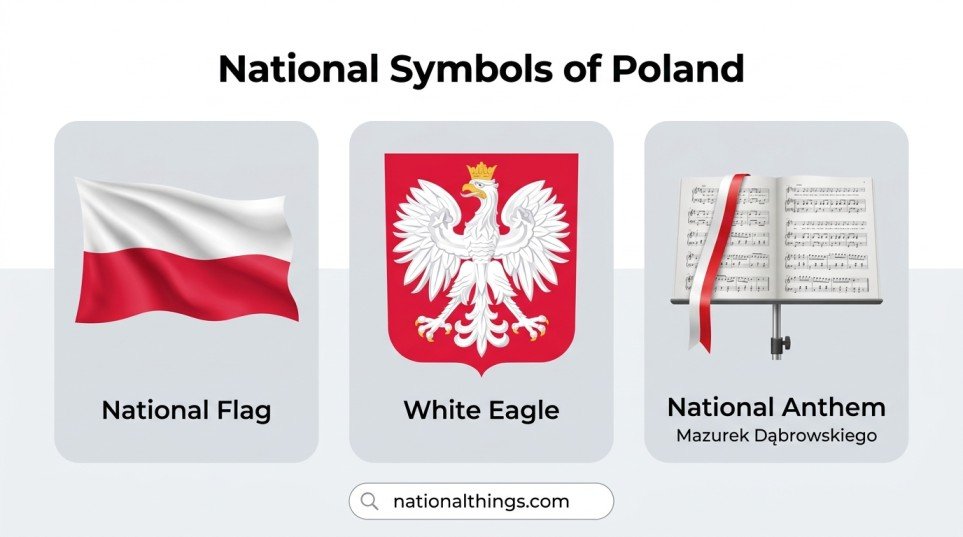
Poland’s national symbols include its white-and-red flag, the White Eagle coat of arms, and the national anthem, Mazurek Dąbrowskiego. These symbols represent the country’s sovereignty, historical identity, and determination to preserve its national heritage. Located in Central Europe, Poland has a long history in which national emblems, patriotic songs, and traditional colours have played important roles, particularly during periods when the country lost its independence. Other familiar associations, including the European bison and the artistic figure of Polonia, also contribute to Poland’s cultural identity. However, not every popular national symbol…
Read MoreMonth: October 2026
National Symbols of Ukraine: Names, Meanings, and Pictures
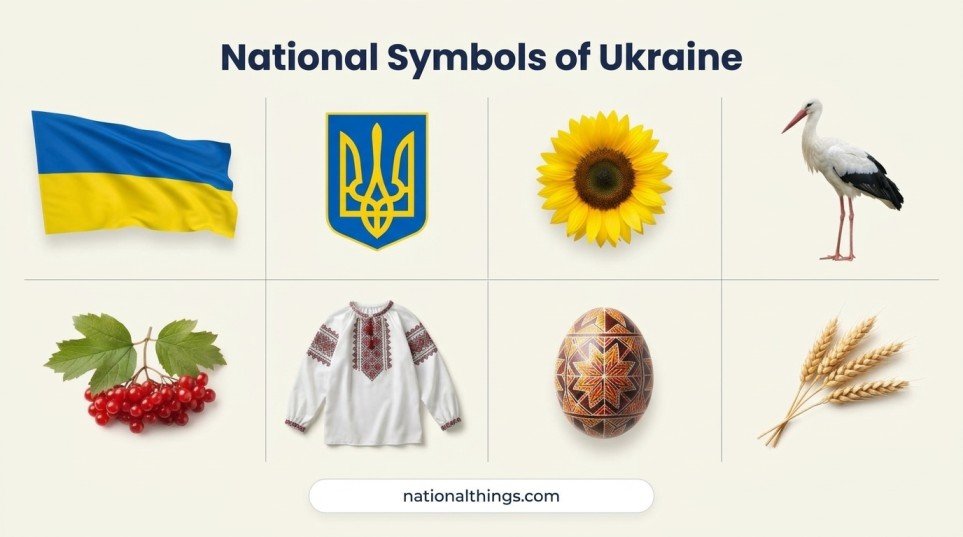
National Symbols of Ukraine include the blue and yellow flag, the golden trident coat of arms, and the national anthem. These three official state symbols represent Ukraine’s independence, history, and national identity. The country also has many traditional symbols, including the sunflower, white stork, viburnum, embroidered clothing, and decorated Easter eggs. Each has a special place in Ukrainian culture, folklore, or everyday life. Some are recognized by law, while others have become important through centuries of tradition. This article explains the names, appearances, meanings, and cultural significance of Ukraine’s national…
Read MoreNational Symbols of Estonia: Names, Meanings, and Significance
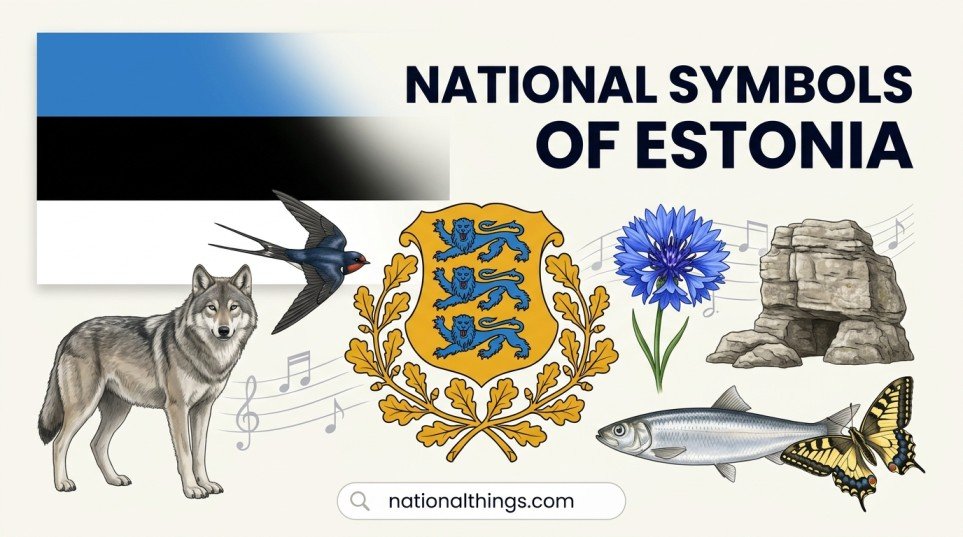
National symbols of Estonia represent the country’s independence, history, cultural identity, and natural heritage. Its principal state symbols include the blue, black, and white national flag, the coat of arms featuring three blue lions, and the national anthem, Mu isamaa, mu õnn ja rõõm. Estonia is also associated with several natural symbols, including the wolf, barn swallow, cornflower, limestone, Baltic herring, and swallowtail butterfly. These symbols connect Estonian identity with the country’s landscape, traditions, and history. However, not every widely recognised national symbol has the same legal status. Understanding the…
Read MoreNational Symbols of Bhutan: Names, Pictures, and Facts
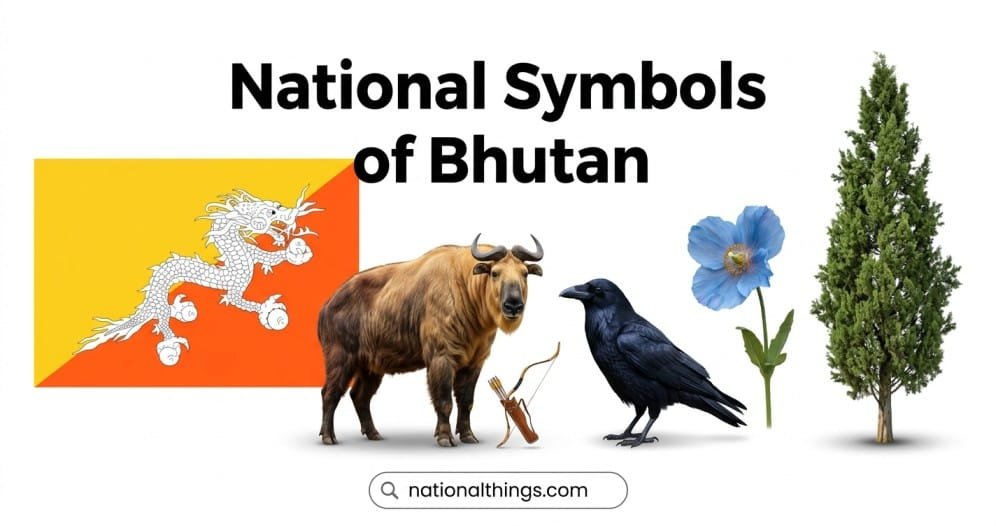
National Symbols of Bhutan represent the country’s history, culture, religion, wildlife, and national identity. Bhutan is a small Himalayan kingdom between India and China. It is known for its mountain landscapes, Buddhist traditions, and strong cultural identity. Its national symbols include the takin, common raven, blue poppy, Himalayan cypress, and thunder dragon. Each has a special connection to Bhutanese life. Some are officially recognised national symbols. Others are important cultural and religious signs. Learning about these symbols helps explain how Bhutan protects its traditions while developing as a modern country.…
Read MoreNational Emblems of All Countries: List of World Coat of Arms
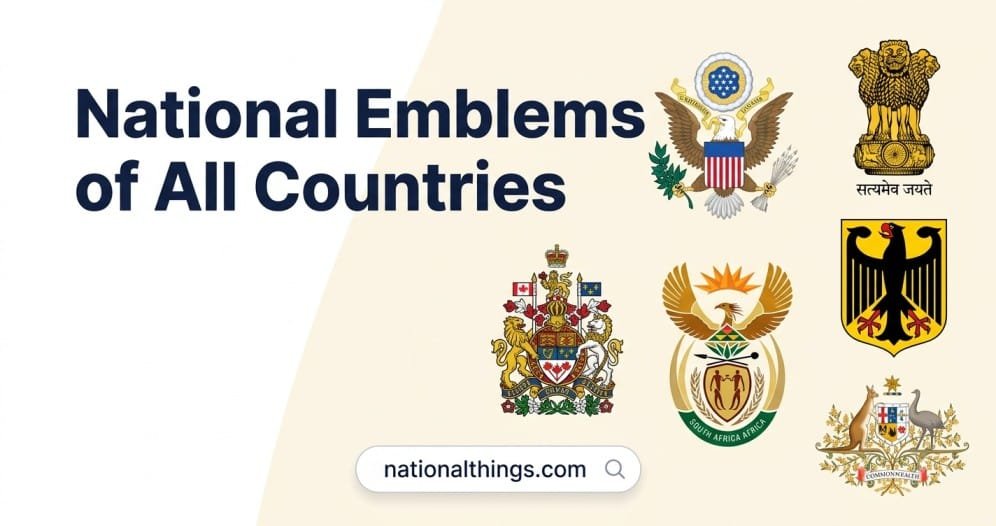
National Emblems of All Countries include official designs used to identify and represent nations around the world. These emblems appear on government documents, passports, official buildings, public records, and state publications. Their designs vary from country to country, featuring elements such as heraldic shields, eagles, lions, stars, and traditional patterns. Some nations use a coat of arms as their national emblem, while others have a distinct official design. This worldwide list covers national emblems across Asia, Europe, Africa, North America, South America, and Oceania, with country names and details about…
Read MoreNational Symbols of North American Countries
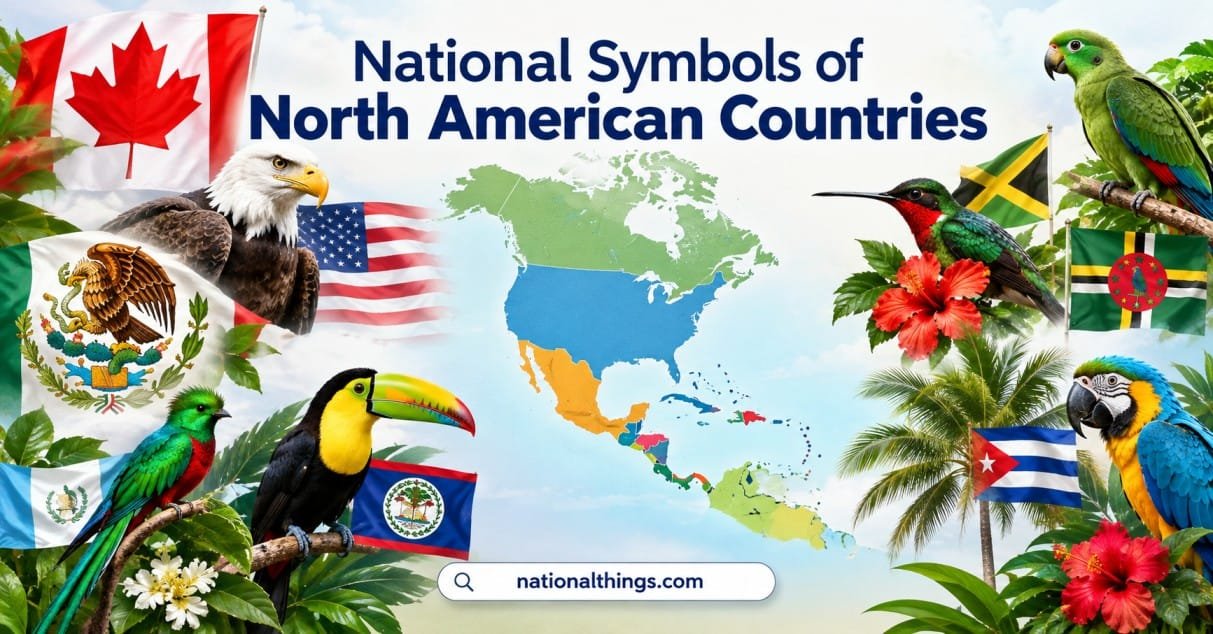
National symbols of North America tell stories about identity, history, land, independence, and culture. A maple leaf can represent Canada, an eagle and cactus can identify Mexico, and a Sisserou parrot can represent Dominica. These symbols are not simply decorative images. Many have links to national history, natural life, Indigenous heritage, or independence. North America has 23 sovereign countries under the geographic classification used in this article. They include Canada, the United States, Mexico, the seven countries of Central America, and 13 sovereign Caribbean countries. The International Organization for Migration…
Read More