National Fruit of Mexico: Meaning, History, and Facts
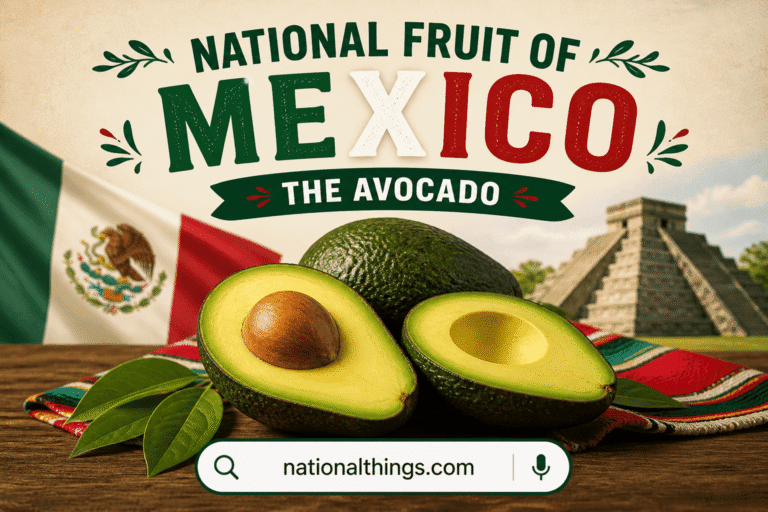
Mexico is widely known for its rich agricultural heritage, and among its most valued fruits, the avocado holds a special…
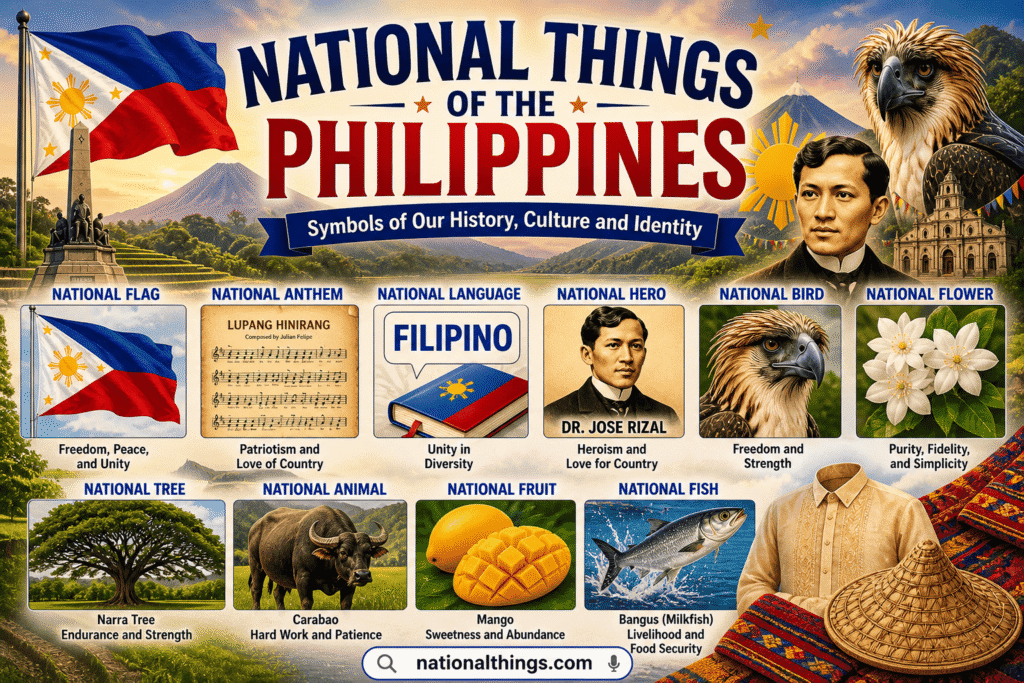
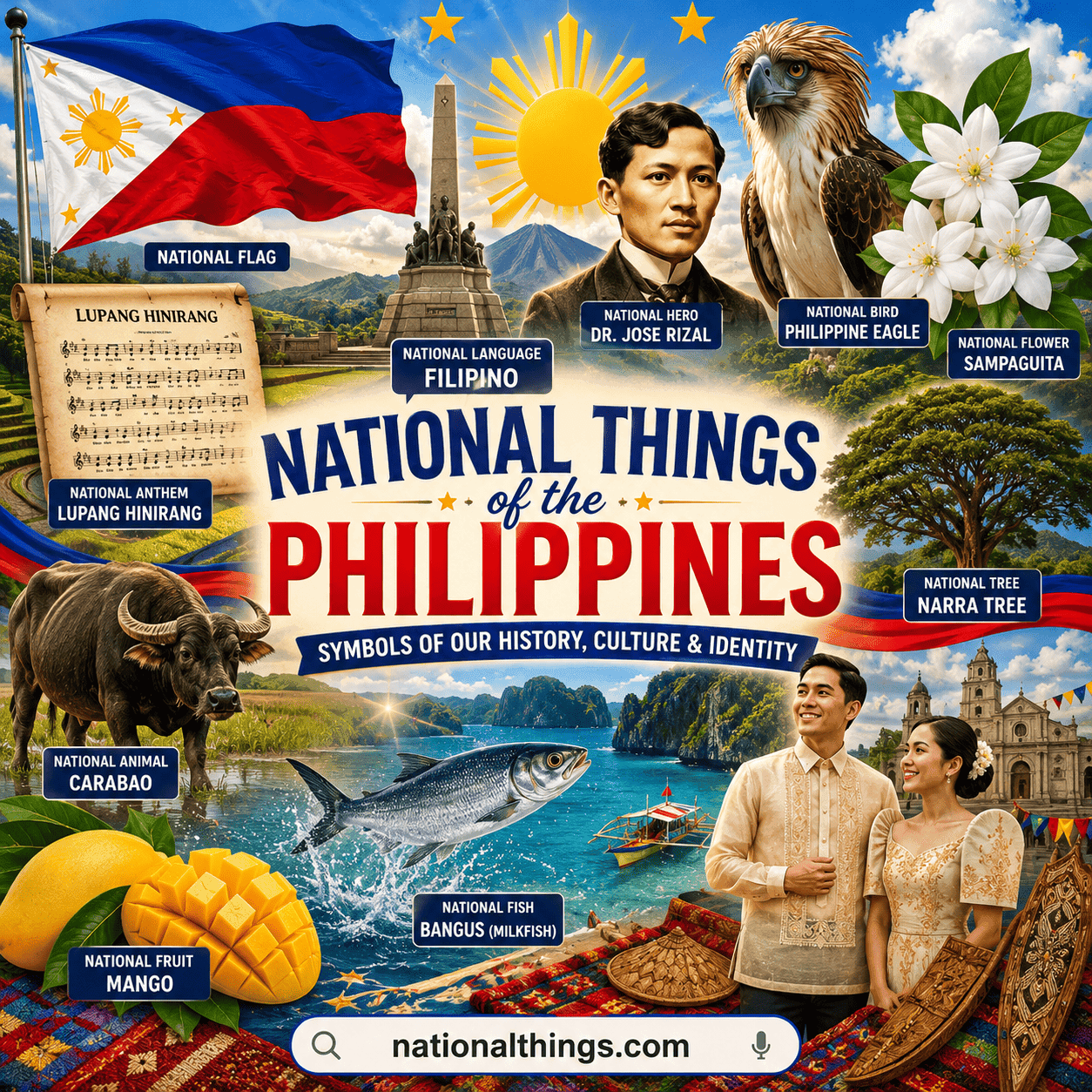
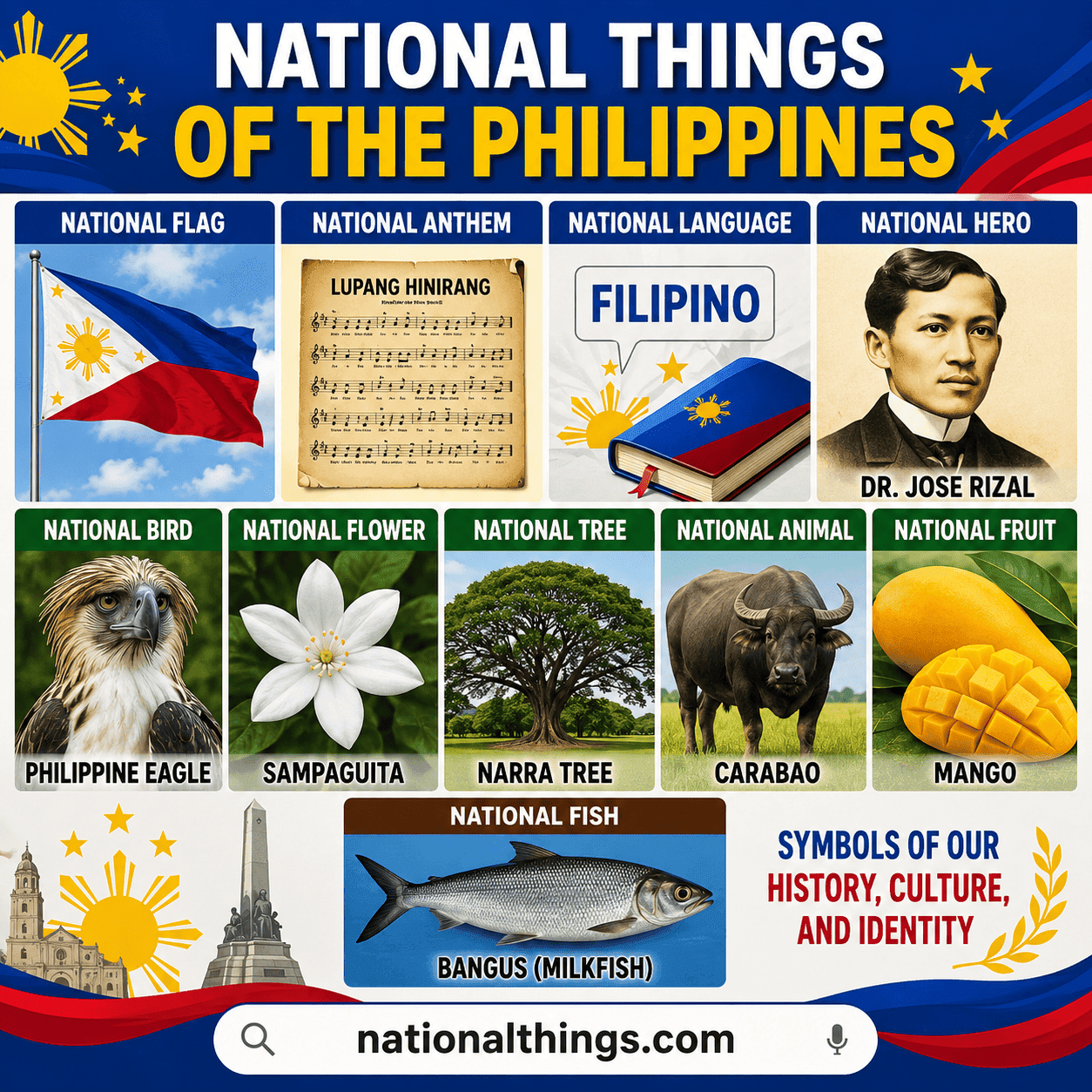
National Things of the Philippines include the official symbols that represent the country’s culture history nature and identity. These symbols include the Philippine flag, national anthem, Philippine Eagle, Sampaguita flower, Narra tree, Carabao, and many others that hold deep meaning for Filipino people. Each national symbol tells an important story about the Philippines and reflects values like bravery freedom hard work loyalty and unity. Some symbols came from the country’s fight for independence while others represent the beauty of Philippine wildlife traditions and daily life. People see these national things in schools, government offices, festivals, money, books, and public celebrations across the country.
National Things of the Philippines represent the country’s identity history culture and natural heritage. These symbols help people understand what makes the Philippines unique. The government officially recognizes many of these symbols through laws and presidential proclamations.
The Philippines has national symbols connected to nature language music heroes and traditions. Some symbols show bravery while others reflect beauty peace and hard work. Filipinos learn these symbols in school because they connect people to the country’s past and values.
Many visitors know the Philippines for its beaches and islands. But the country also has important national symbols like the Philippine Eagle Sampaguita flower Narra tree and the Filipino language. Each symbol tells a story about the nation.
National symbols give people a shared identity. In the Philippines these symbols help unite more than 110 million people living across over 7,000 islands.
The Philippine flag appears in schools government offices and public events. Students sing the national anthem every morning before classes begin. This daily practice teaches discipline patriotism and respect.
National symbols also protect cultural traditions. The Sampaguita flower for example appears in religious offerings weddings and community celebrations. The Barong Tagalog which many people consider a cultural national dress shows Filipino craftsmanship through hand embroidery and local fabrics.
These symbols also support tourism. Tourists visit eagle centers historical parks and cultural museums to learn about the country’s heritage. This creates jobs and supports local businesses.
The history of Philippine national symbols started during the fight for independence against Spain in the late 1800s. Filipino revolutionaries wanted symbols that represented freedom and unity.
The Philippine flag first appeared during the declaration of independence on June 12 1898 in Kawit Cavite. General Emilio Aguinaldo designed the flag while living in exile in Hong Kong. The sun and stars on the flag still carry the same meaning today.
Dr. Jose Rizal became the national hero because his books exposed Spanish abuse during colonial rule. His novels Noli Me Tangere and El Filibusterismo inspired Filipinos to seek freedom through education and reform.
Over time the government officially named more national symbols. In 1934 the Sampaguita became the national flower. The Narra tree became the national tree in 1934 as well. The Philippine Eagle received recognition as the national bird in 1995.
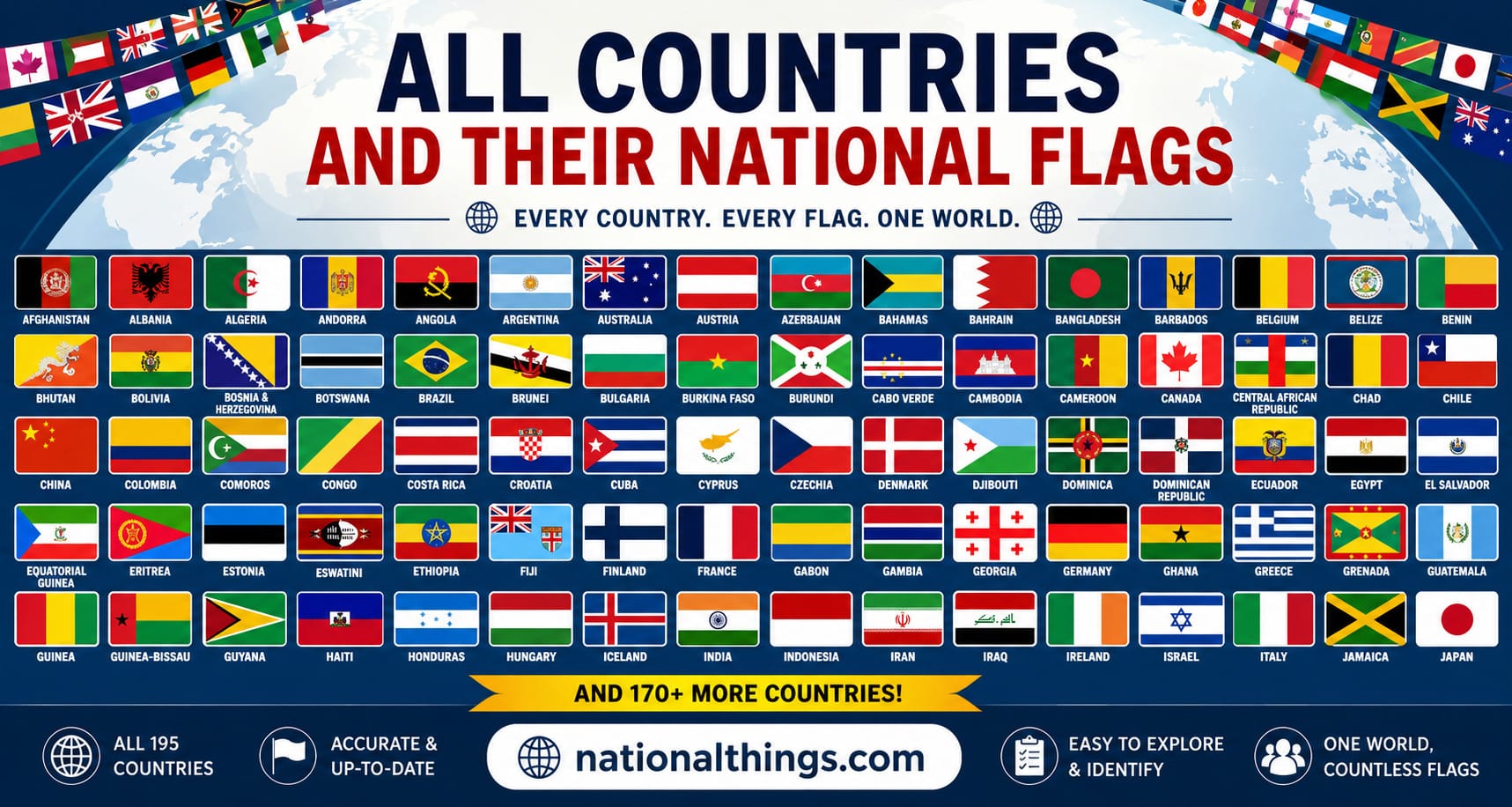
The Philippine flag has blue red white and yellow colors. The blue stripe stands for peace truth and justice. The red stripe represents patriotism and courage. The white triangle symbolizes equality. The sun represents freedom while the eight rays stand for the first provinces that fought Spain.
The national anthem is Lupang Hinirang. Composer Julian Felipe wrote the music in 1898. Jose Palma later added Spanish lyrics. Today Filipinos sing it in Filipino during official events.
Filipino is the national language. It is based mainly on Tagalog but also includes words from other Philippine languages and foreign languages like Spanish and English.
Dr. Jose Rizal holds the title of national hero. He used writing and peaceful reform to fight injustice during Spanish rule.
The Philippine Eagle is one of the world’s largest eagles. It lives mainly in the forests of Mindanao Luzon Leyte and Samar. Scientists estimate that fewer than 400 breeding pairs remain in the wild.
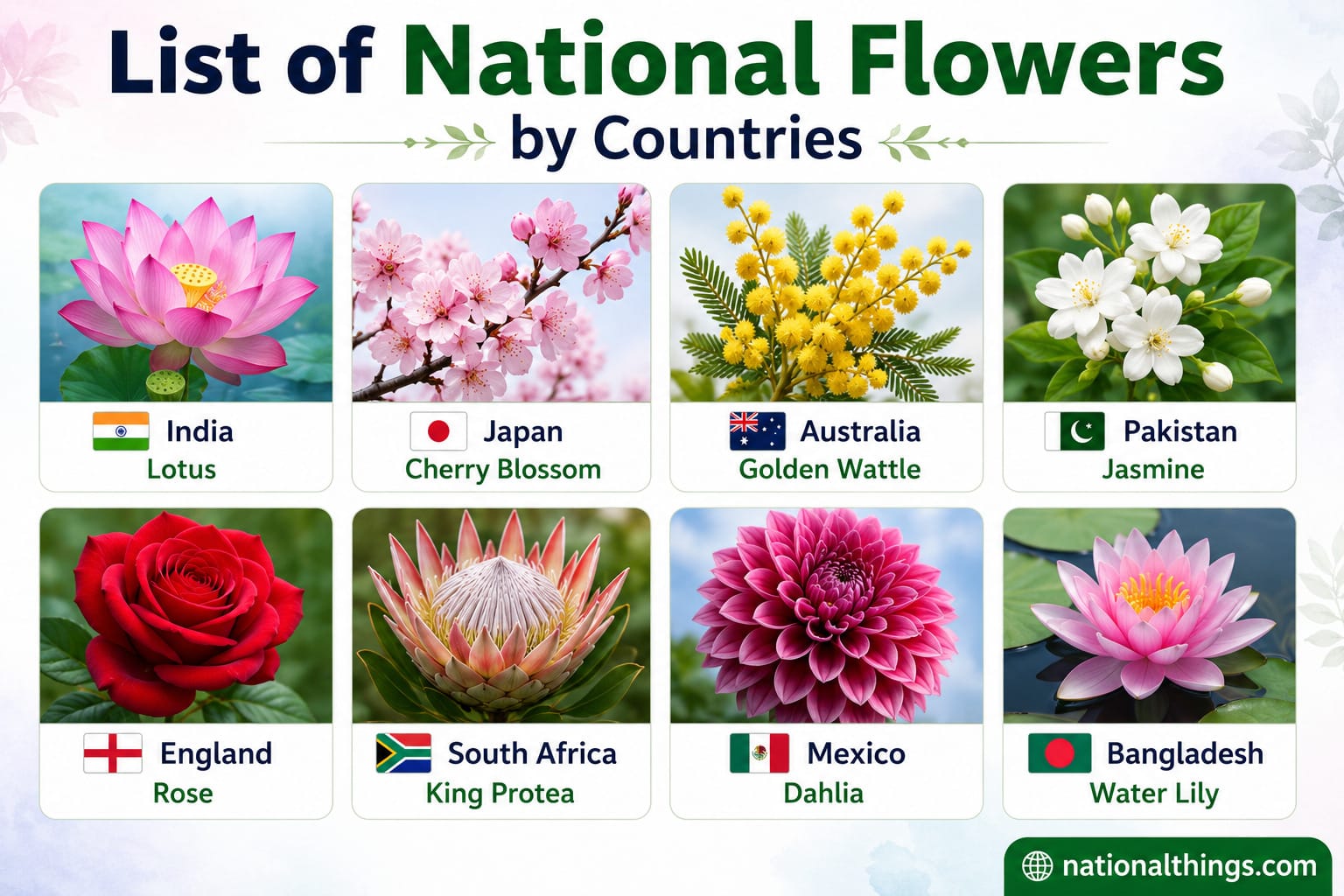
The Sampaguita is a small white flower with a sweet smell. It represents purity loyalty and simplicity.
The Narra tree produces strong hardwood used in furniture and construction. It symbolizes strength and endurance.
Many Filipinos consider the Carabao the national animal because it represents hard work. Farmers use it for farming rice fields and carrying heavy loads.
The mango especially the sweet Carabao mango is widely recognized as the national fruit. Philippine mangoes rank among the sweetest in the world.
Bangus or milkfish serves as the national fish. It is a common food in Filipino homes and restaurants.
Each symbol has a deeper meaning connected to Filipino values and experiences.
The Philippine Eagle symbolizes bravery and freedom. Since the eagle lives only in Philippine forests it also represents the country’s rich biodiversity.
The Sampaguita flower shows humility and faithfulness. People often offer Sampaguita garlands in churches and public ceremonies.
The Narra tree stands for resilience. Even during storms the tree remains strong. This reflects the Filipino spirit during hardships like typhoons earthquakes and economic struggles.
The Carabao represents patience and labor. Before tractors became common farmers depended heavily on carabaos for planting rice and transporting goods.
The national flag carries messages of sacrifice and independence. During wartime Filipinos display the red stripe on top to show the nation is in a state of war.
The Philippine Eagle has a wingspan that can reach seven feet. It eats monkeys snakes and large birds. Because of forest destruction the species remains critically endangered.
The Philippine Eagle Foundation works to protect the bird through breeding programs and forest conservation. According to the International Union for Conservation of Nature the eagle remains one of the rarest birds in the world.
Source: https://www.iucnredlist.org/species/22696012/212595546
The Sampaguita grows in tropical climates and blooms throughout the year. People often make necklaces and garlands from the flowers.
The flower also appears in Filipino songs poems and festivals. Its simple appearance reflects the Filipino value of modesty.
The Narra tree can grow over 100 feet tall. Its wood resists termites and lasts for many years. Many old Filipino houses used Narra wood for floors windows and furniture.
The Carabao can work for hours in muddy rice fields. It remains important in rural areas where small farms still depend on animal labor.
The Philippine Carabao Center also studies better farming methods and dairy production using carabaos.
Philippine mangoes especially from Guimaras Island have a sweet rich flavor. Farmers export mangoes to countries like Japan South Korea and Canada.
National symbols shape Filipino traditions and public life. During Independence Day celebrations schools and government buildings display the national flag. Cultural groups perform traditional dances while bands play patriotic music.
Filipino families also use national symbols during celebrations. Sampaguita flowers appear in religious festivals. Mangoes and Bangus dishes appear during family gatherings and fiestas.
These symbols also influence art and literature. Painters use the flag and eagle in artworks about freedom. Writers mention Rizal and other national heroes in stories and essays about Filipino identity.
National symbols also help overseas Filipinos stay connected to home. Millions of Filipinos work abroad and often celebrate Philippine Independence Day in other countries using flags traditional clothing and Filipino songs.
Schools teach students about national symbols from an early age. Children memorize the national anthem and study the meaning of the flag.
History lessons explain how heroes like Jose Rizal and Andres Bonifacio shaped the country’s future.
Government offices raise the Philippine flag every morning. Officials also display national symbols during speeches state visits and public holidays.
Tourist centers promote symbols like the Philippine Eagle and famous mango farms. Cultural festivals often include traditional clothing folk dances and local crafts.
Philippine money features national heroes plants animals and historical landmarks. Stamps also display national symbols to promote culture and history.
| National Symbol | Official Symbol | Meaning |
|---|---|---|
| Philippine Eagle | National Bird | Freedom and strength |
| Sampaguita | National Flower | Purity and loyalty |
| Narra | National Tree | Endurance and resilience |
| Carabao | National Animal | Hard work |
| Mango | National Fruit | Abundance and sweetness |
| Bangus | National Fish | Food security |
National symbols remind Filipinos about shared struggles and achievements. The flag represents independence after centuries of colonization under Spain America and Japan.
Symbols also connect different ethnic groups across the islands. The Philippines has more than 180 languages and many cultural communities. National symbols create unity despite these differences.
Filipinos living abroad also use these symbols to teach younger generations about their roots. Community events often include Filipino food traditional dances and displays of the Philippine flag.
Many athletes artists and public figures proudly use national symbols during international competitions and events. This builds pride and international recognition.
Some people think the Philippines has only a few national symbols. In reality the country recognizes many official and unofficial symbols related to culture nature and history.
Another misconception involves the national language. Filipino and Tagalog are closely connected but they are not exactly the same. Filipino includes words from many Philippine languages.
Some people also believe the Philippine Eagle survives in large numbers. Scientists actually classify it as critically endangered due to habitat loss and illegal hunting.
Others think the Carabao no longer matters because of modern farming machines. Many rural farmers still depend on carabaos especially in remote provinces.
The Philippine government and environmental groups work to protect national symbols especially endangered wildlife and native trees.
The Department of Environment and Natural Resources leads conservation projects for the Philippine Eagle and forest habitats. Wildlife laws also ban illegal hunting and animal trading.
Schools museums and cultural organizations preserve historical knowledge about heroes flags and traditions. National holidays help younger generations understand Philippine history.
Local farmers also protect traditional crops like native mango varieties and Bangus fish farming methods. These industries support food security and local economies.
Protecting national symbols means protecting the country’s identity. Without forests wildlife languages and traditions future generations could lose an important part of Filipino heritage.
The Carabao is widely recognized as the national animal because it represents hard work and agriculture.
The Sampaguita is the national flower. It symbolizes purity simplicity and loyalty.
The Philippine Eagle represents strength freedom and biodiversity. It also serves as a symbol of environmental protection.
Different presidents government agencies and laws officially recognized the country’s national symbols over many years.
Some symbols have official legal recognition while others became popular through tradition culture and public acceptance.
Related Articles: