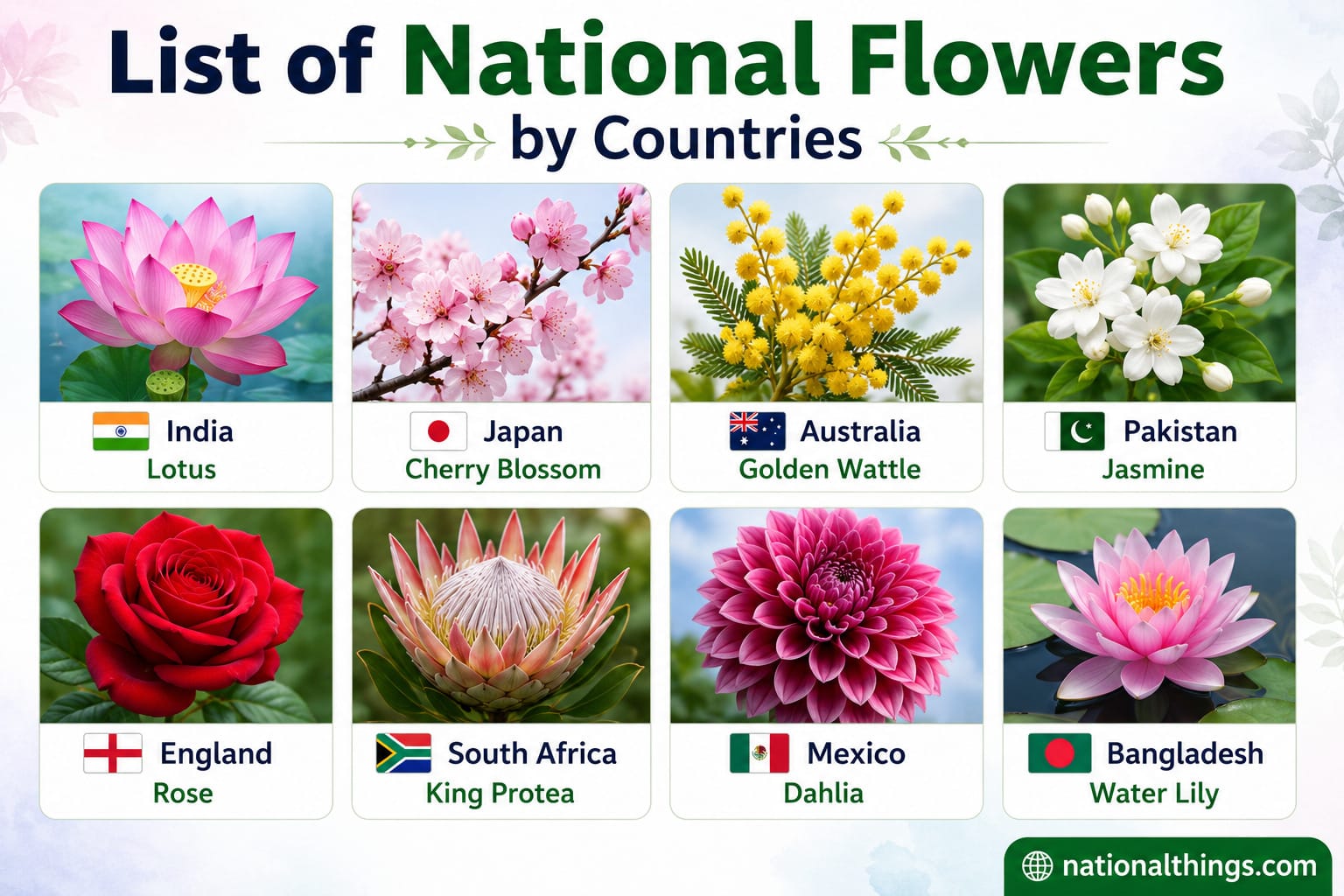


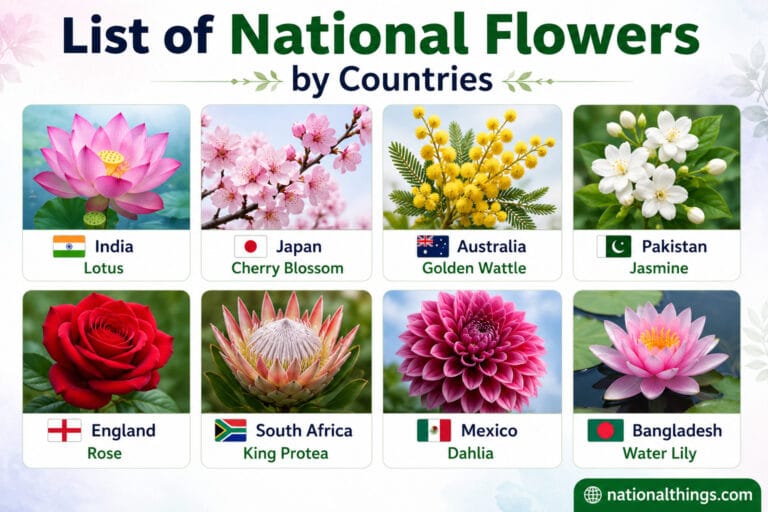
List of National Flowers by Countries with Official Status
National flowers tell the story of a country in a simple but powerful way. This guide covers the national flowers…
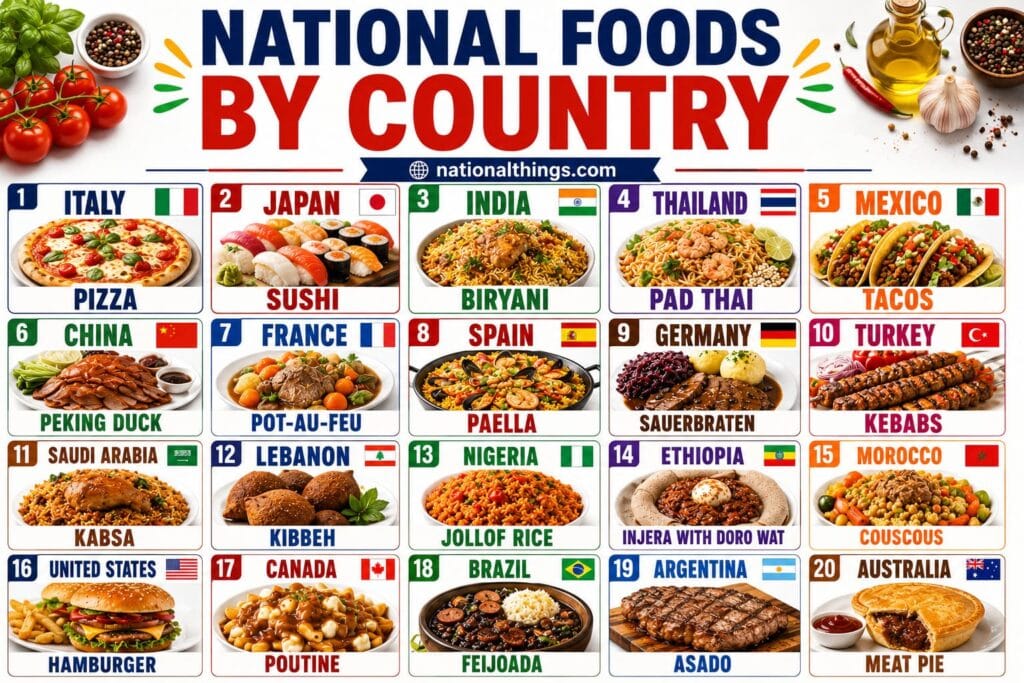
National Food by Country is more than a list of famous dishes. It tells the story of a nation’s history, culture, geography, and traditions. Have you ever wondered why Japan is linked with sushi, Italy with pizza, or India with biryani? Every national dish reflects local ingredients, cooking methods, and centuries of cultural influence. These foods are not just meals. They are symbols of identity that people proudly share with the world.
Travelers often remember a country through its food. A single plate can reveal how people farm, trade, celebrate, and live. Understanding National Food by Country helps you learn about different cultures in a simple and enjoyable way. It also shows how food connects communities across generations. This guide explains some of the most famous national dishes from around the world using an easy way and useful facts.
A national food is a dish that people strongly associate with a country. It may not be officially declared by the government, but citizens often recognize it as part of their national identity.
Key characteristics of national foods include:
For example:
Many countries have several popular dishes, but one usually becomes the strongest national symbol.
Food serves as a cultural record. It preserves traditions and reflects how societies evolved over time.
Important reasons national foods matter:
Research from the United Nations Food and Agriculture Organization (FAO) highlights how traditional foods help preserve cultural diversity and sustainable food systems. Source: https://www.fao.org
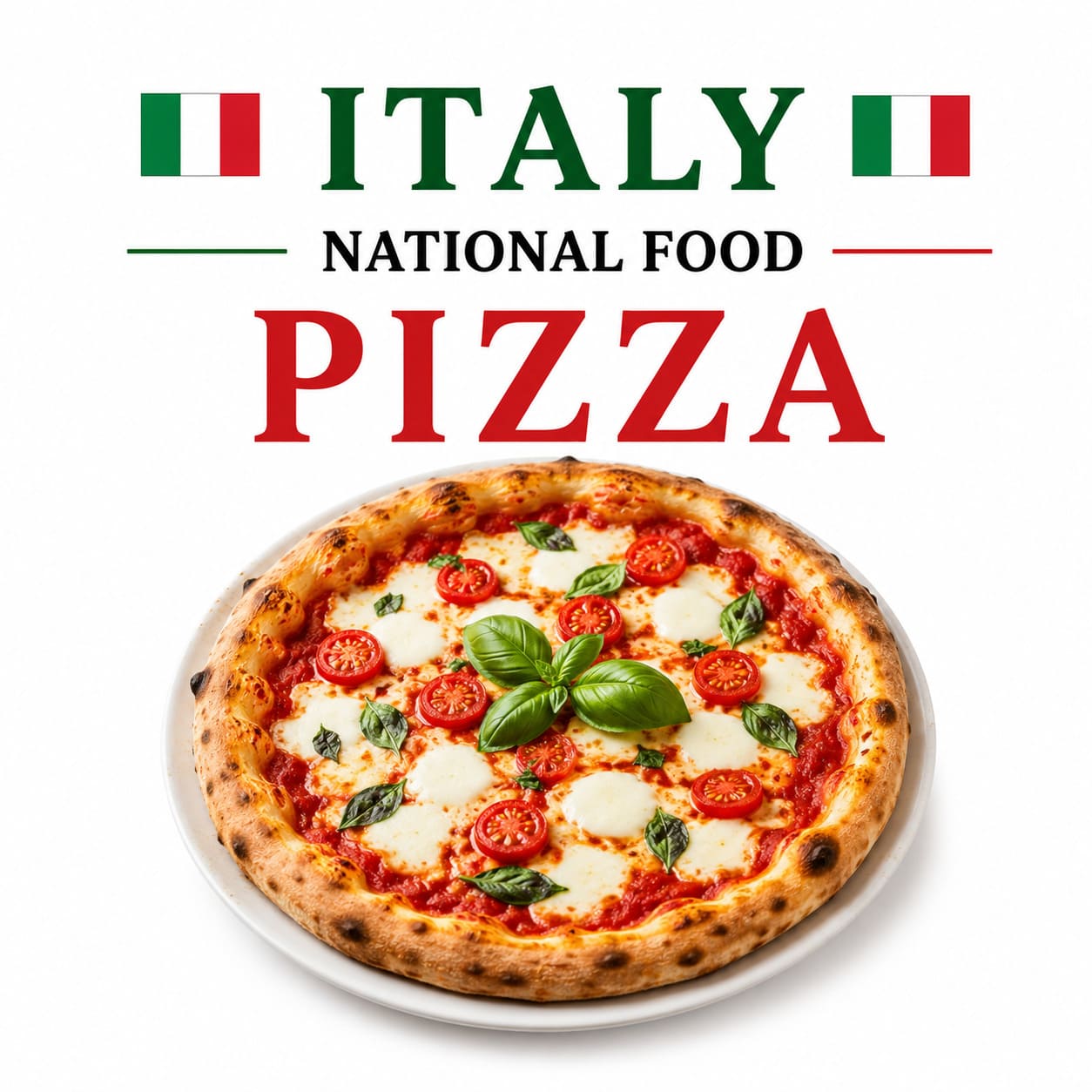
National Food: Pizza
Pizza originated in Naples during the 18th century. Traditional Neapolitan pizza uses a thin crust, tomatoes, mozzarella cheese, olive oil, and basil.
Important facts:
Why it is famous:
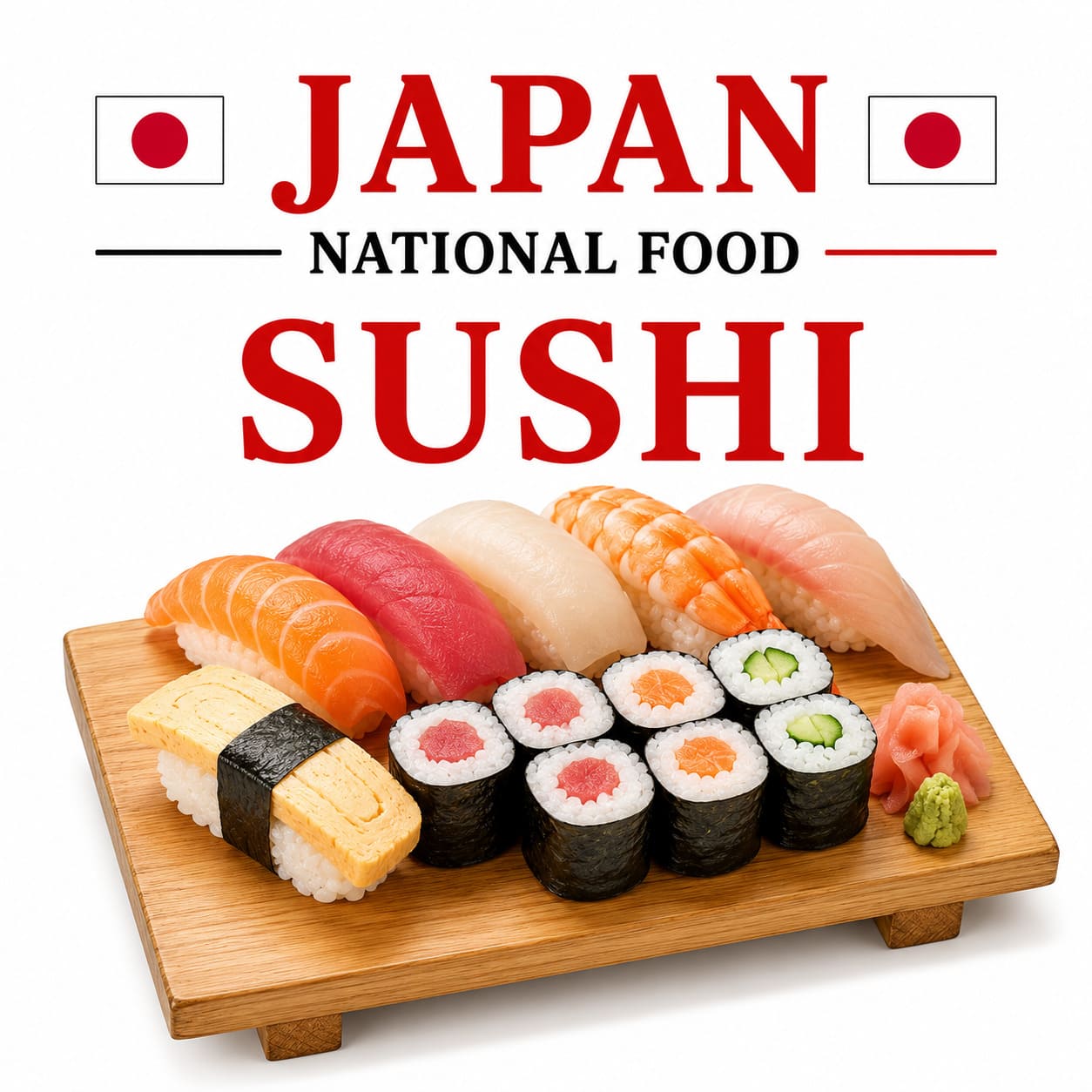
National Food: Sushi
Sushi combines vinegared rice with seafood, vegetables, or other ingredients. While many people think sushi is only raw fish, rice is actually the most important element.
Key details:
Why Japanese people value sushi:
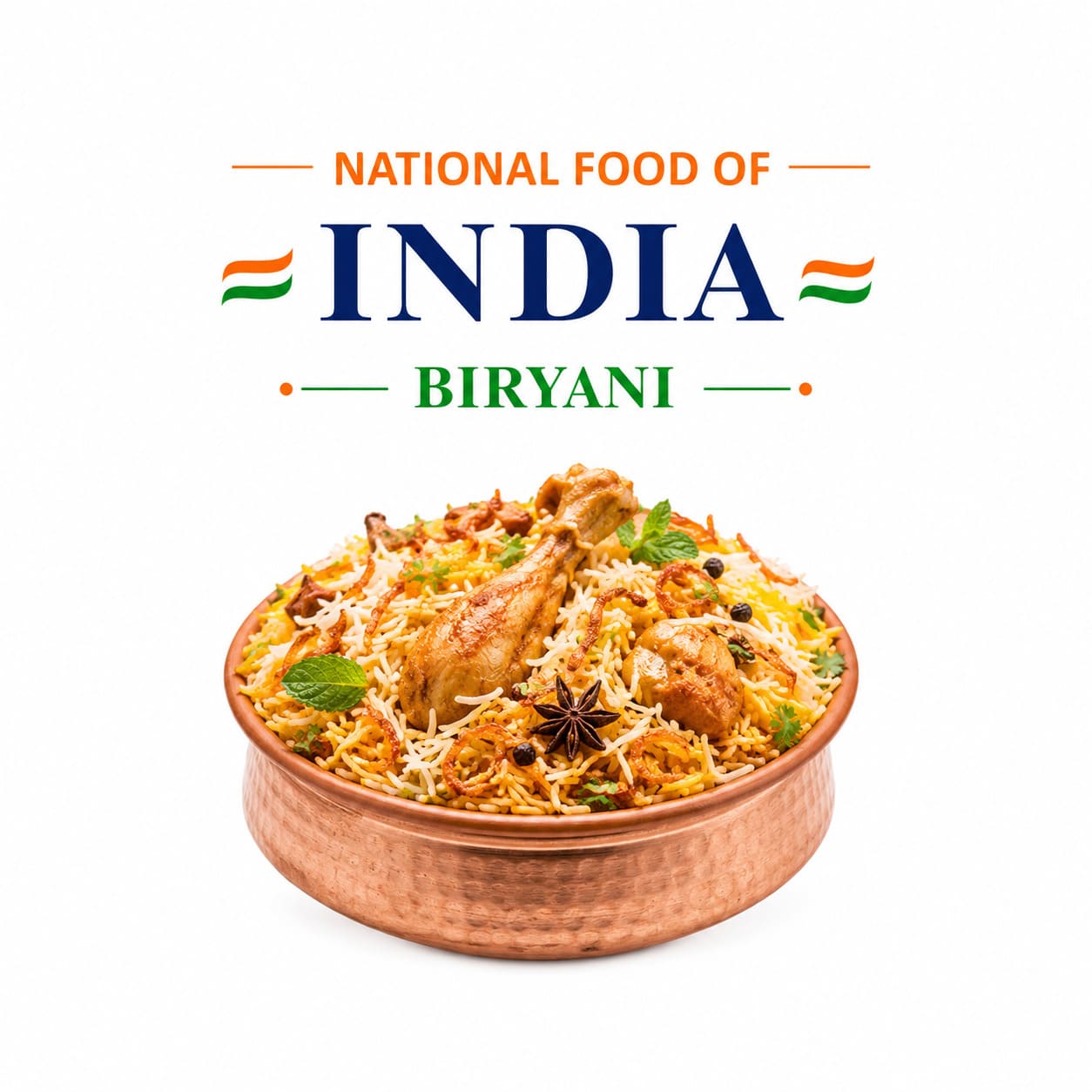
National Food: Biryani
India has many famous dishes, but biryani is one of the most recognized. It combines fragrant rice, spices, meat, or vegetables.
Key ingredients:
Popular regional varieties:
Why it stands out:
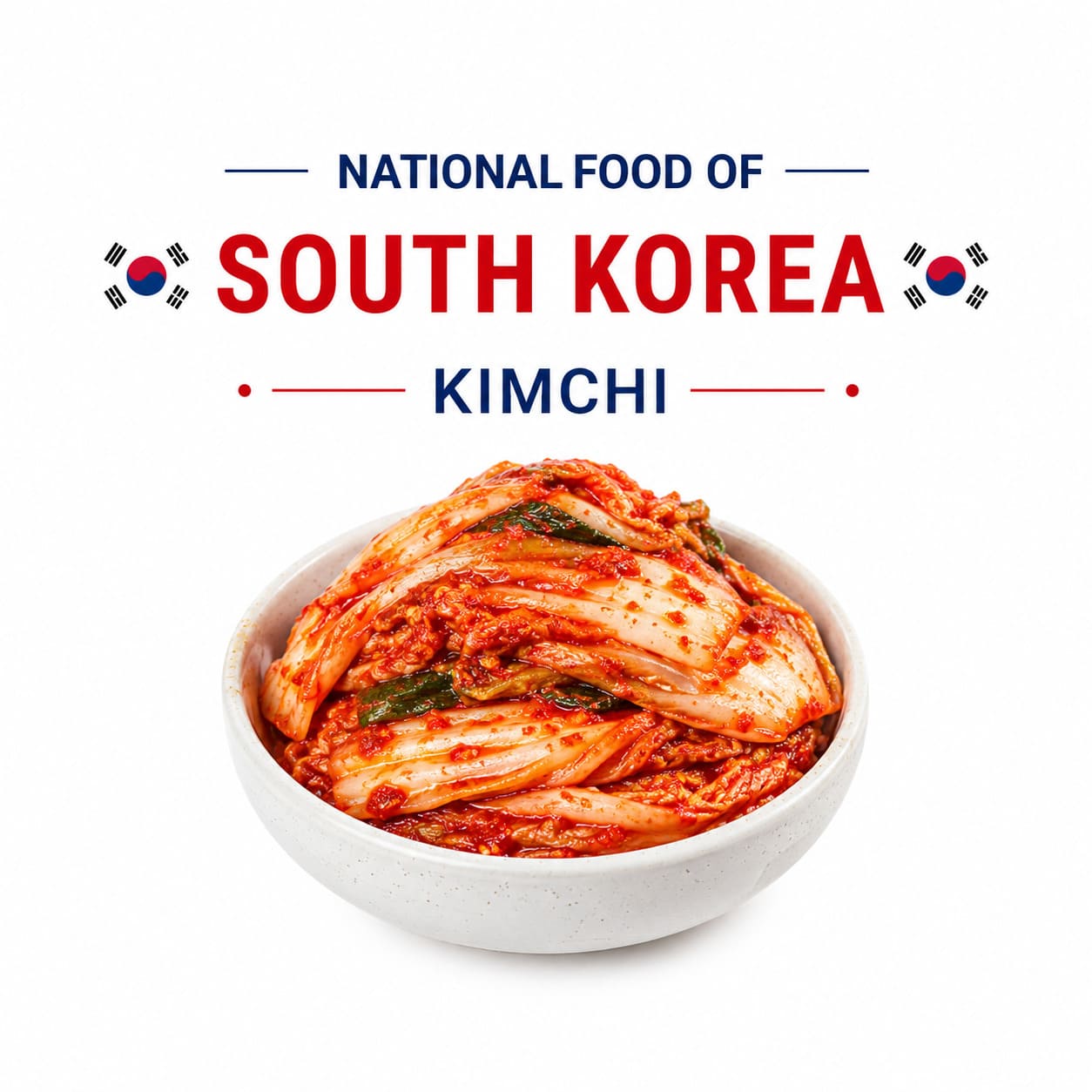
National Food: Kimchi
Kimchi is a fermented vegetable dish. Napa cabbage and radish are the most common ingredients.
Important facts:
Health benefits:
Kimchi represents Korean tradition and family cooking practices.
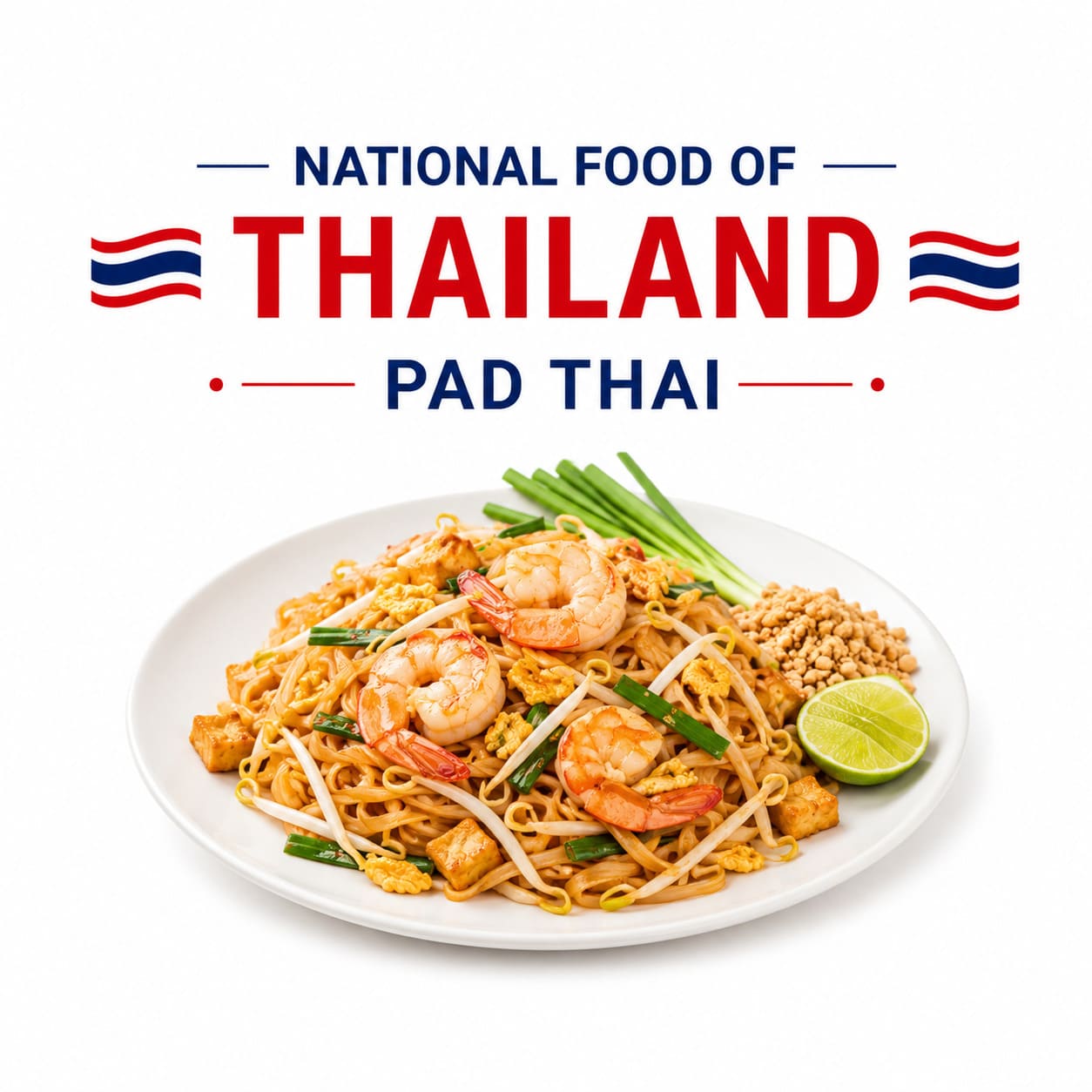
National Food: Pad Thai
Pad Thai is a stir-fried noodle dish that combines sweet, sour, salty, and savory flavors.
Main ingredients:
Why travelers love it:
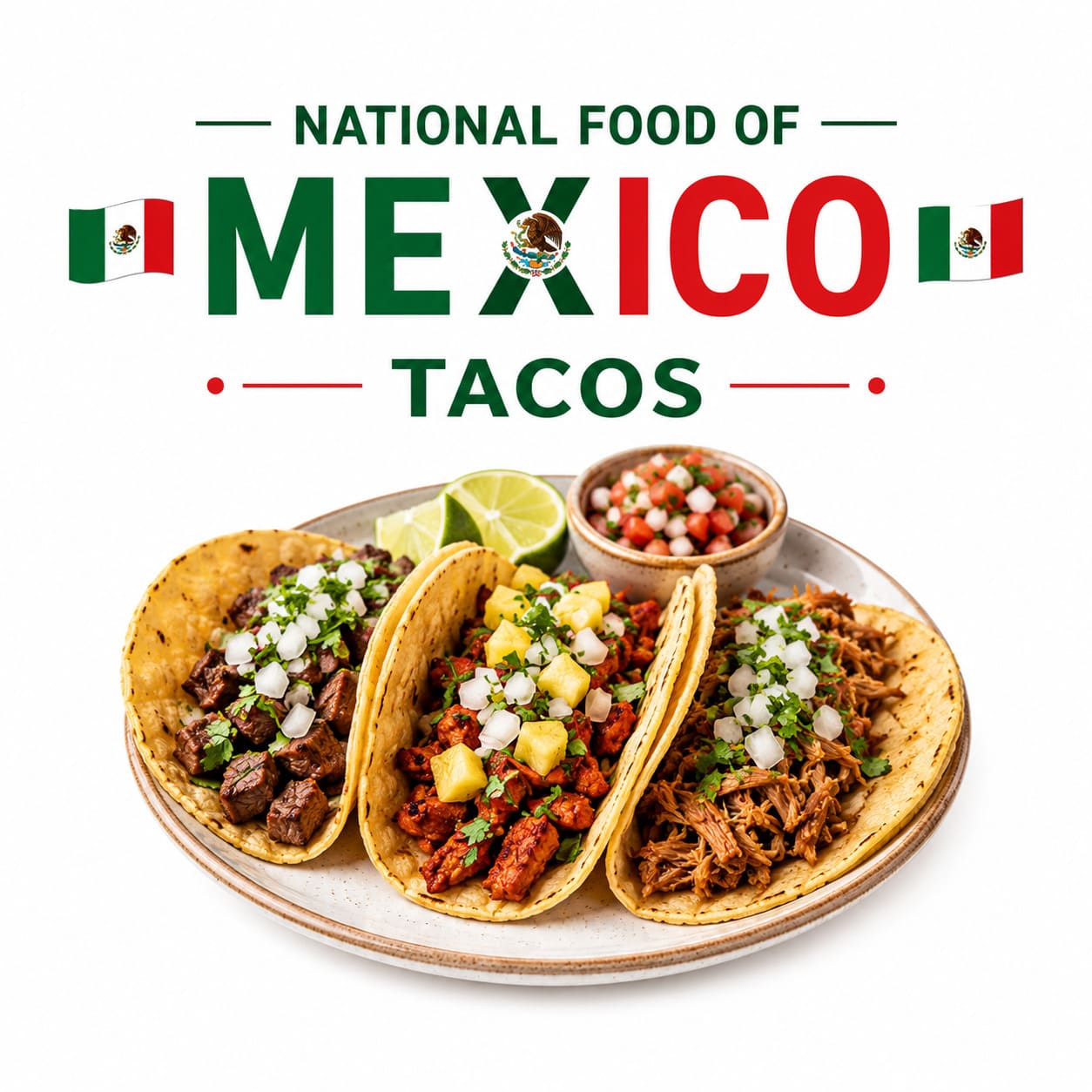
National Food: Tacos
Tacos are one of Mexico’s most famous foods. They consist of folded tortillas filled with meat, seafood, vegetables, or beans.
Common fillings:
What makes tacos special:
Corn tortillas have been a staple in Mexican cuisine for thousands of years.
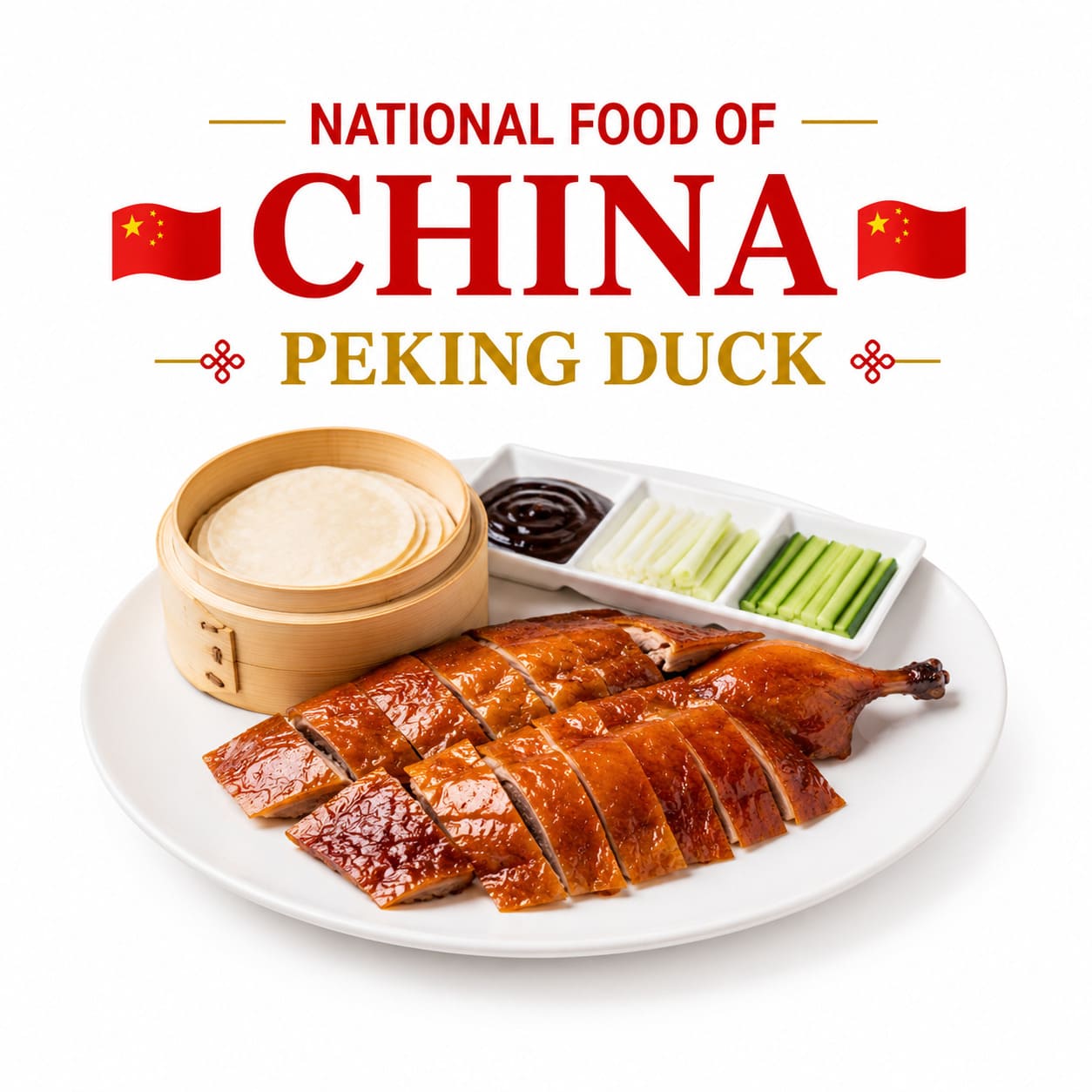
National Food: Peking Duck
Peking Duck is a celebrated Chinese dish known for its crispy skin and tender meat.
Features:
Historical importance:
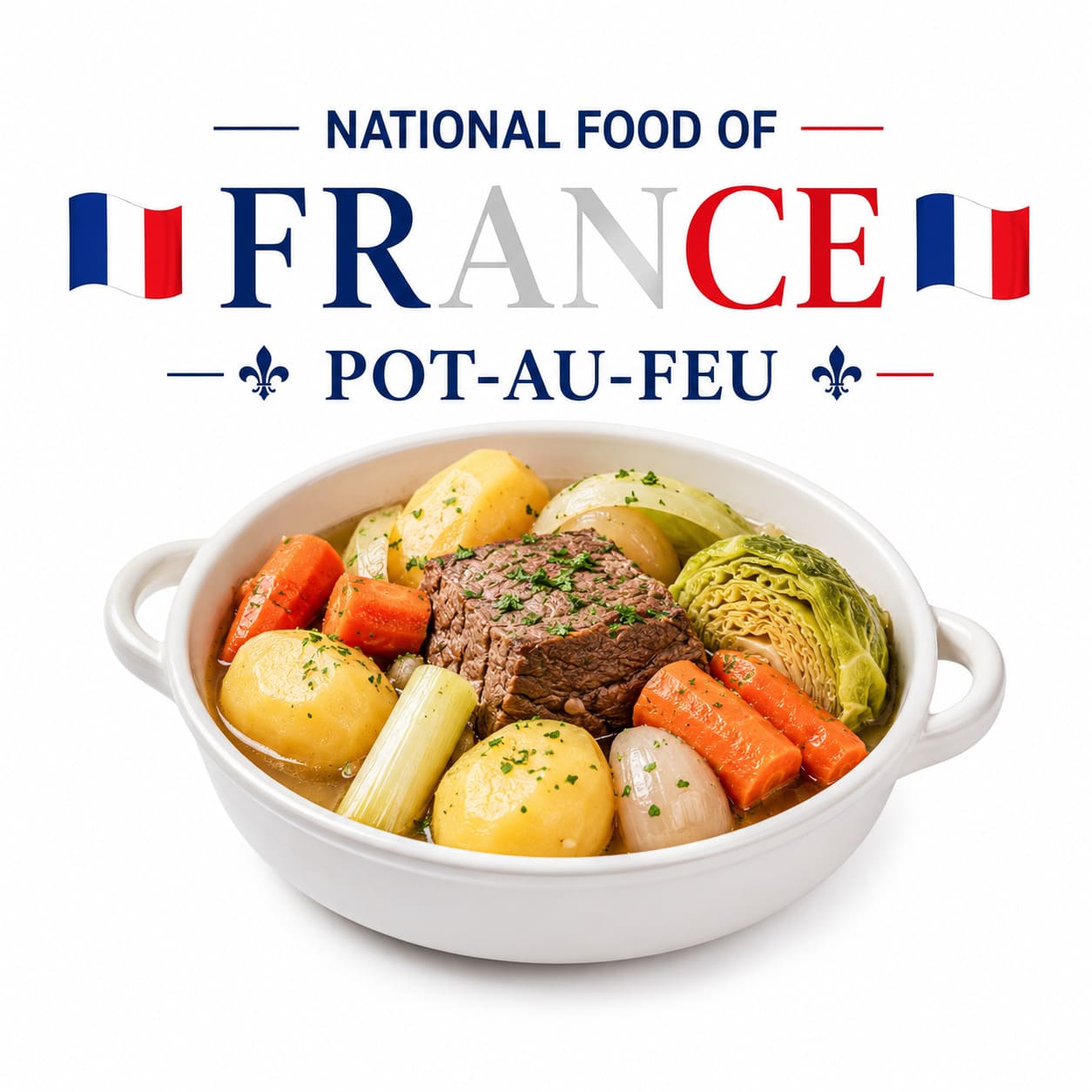
National Food: Pot-au-Feu
Pot-au-Feu is a slow-cooked beef stew often considered France’s national dish.
Main ingredients:
Why it is important:
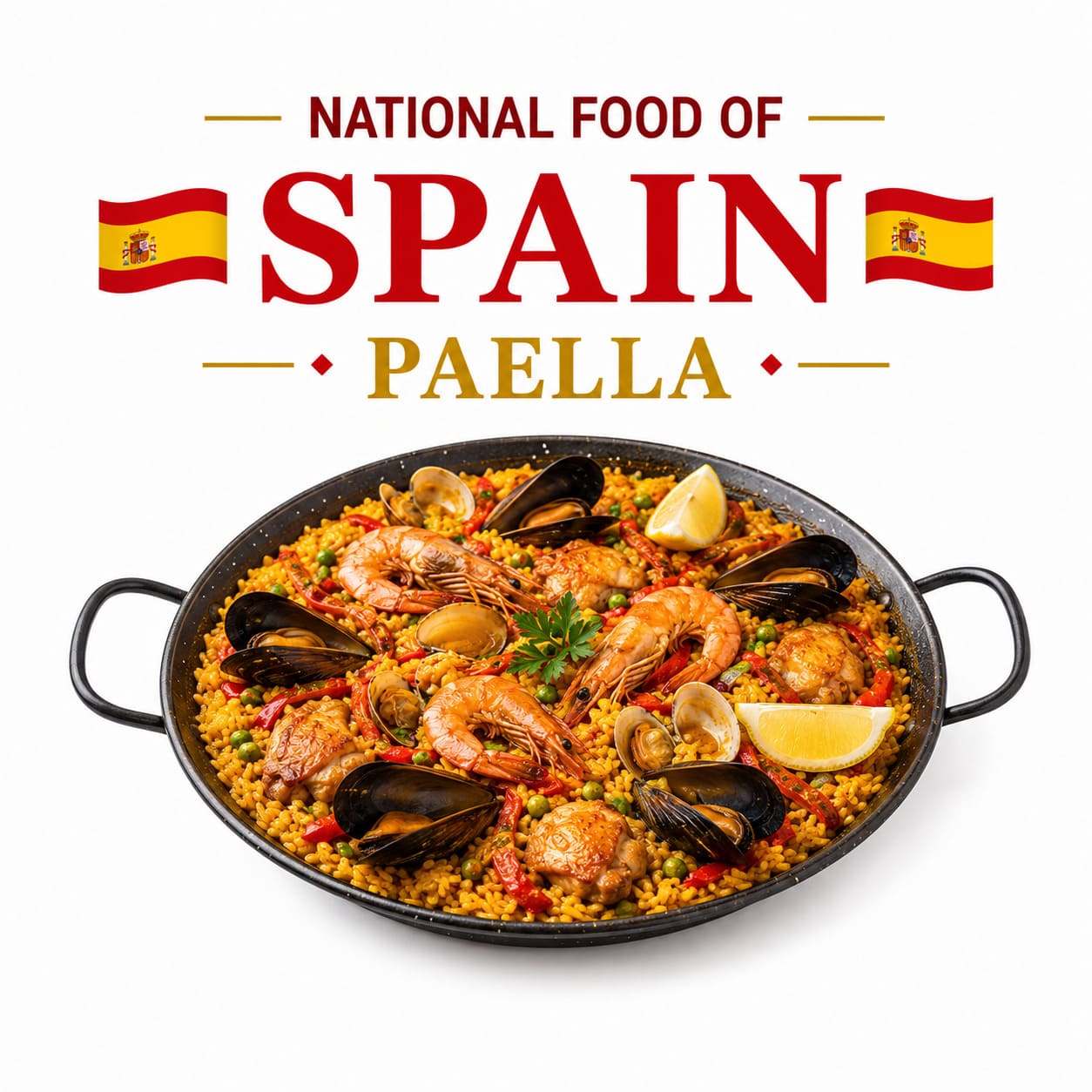
National Food: Paella
Paella originated in Valencia and remains one of Spain’s best-known dishes.
Traditional ingredients:
Interesting fact:
The dish demonstrates Spain’s agricultural history and regional diversity.
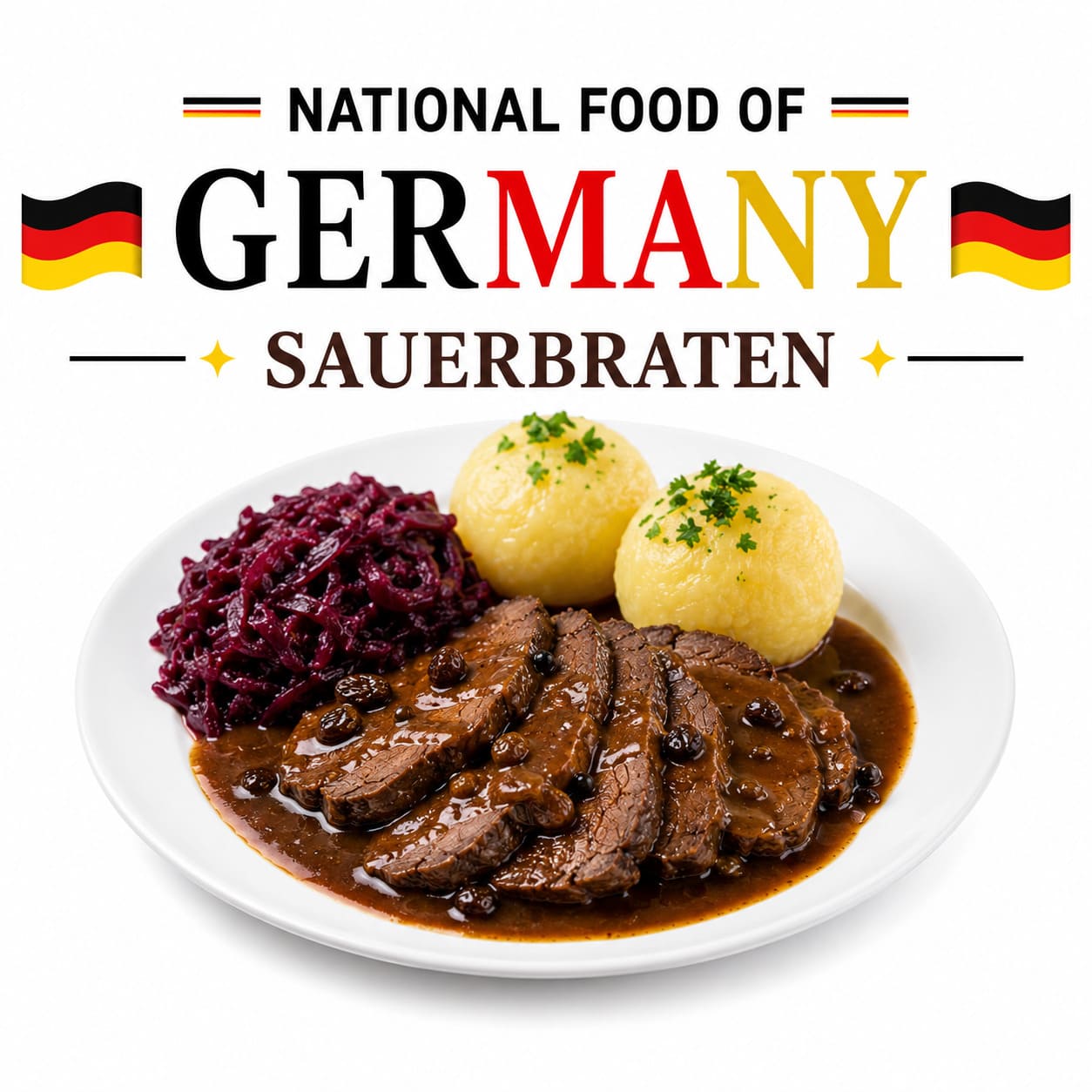
National Food: Sauerbraten
Sauerbraten is a marinated pot roast that has been part of German cuisine for centuries.
Preparation process:
Why Germans appreciate it:
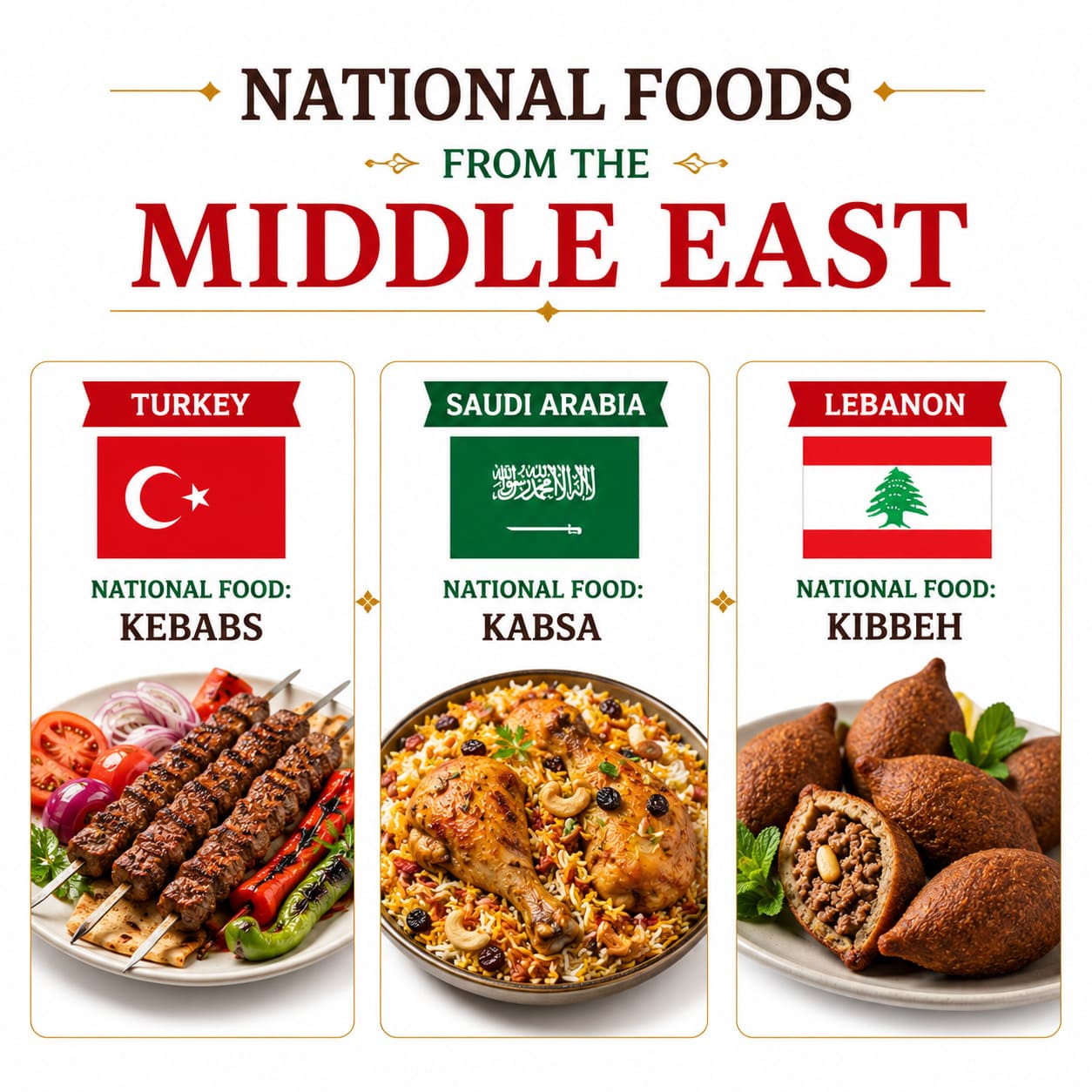
National Food: Kebabs
Turkey is famous for many kebab varieties.
Popular types:
Why it matters:
National Food: Kabsa
Kabsa is a rice dish cooked with meat and spices.
Common ingredients:
Why it is popular:
National Food: Kibbeh
Kibbeh combines bulgur wheat with minced meat and spices.
Forms include:
Cultural importance:
National Food: Jollof Rice
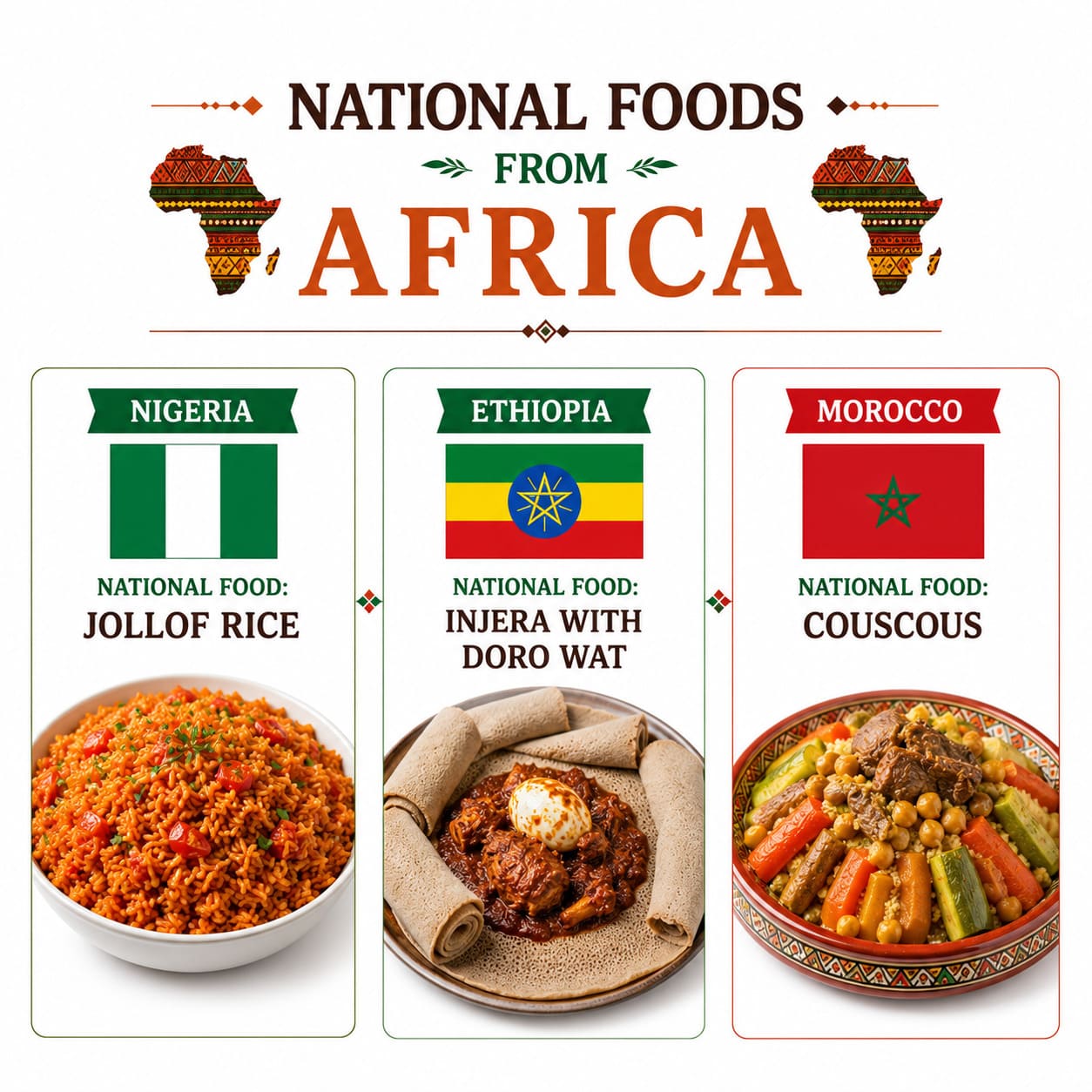
Jollof Rice is one of Africa’s most celebrated dishes.
Ingredients:
Interesting fact:
Why it is beloved:
National Food: Injera with Doro Wat
Injera is a sour flatbread made from teff flour. Doro Wat is a spicy chicken stew.
Key features:
National Food: Couscous
Couscous is made from tiny steamed granules of semolina.
Usually served with:
Why it is significant:
National Food: Hamburger
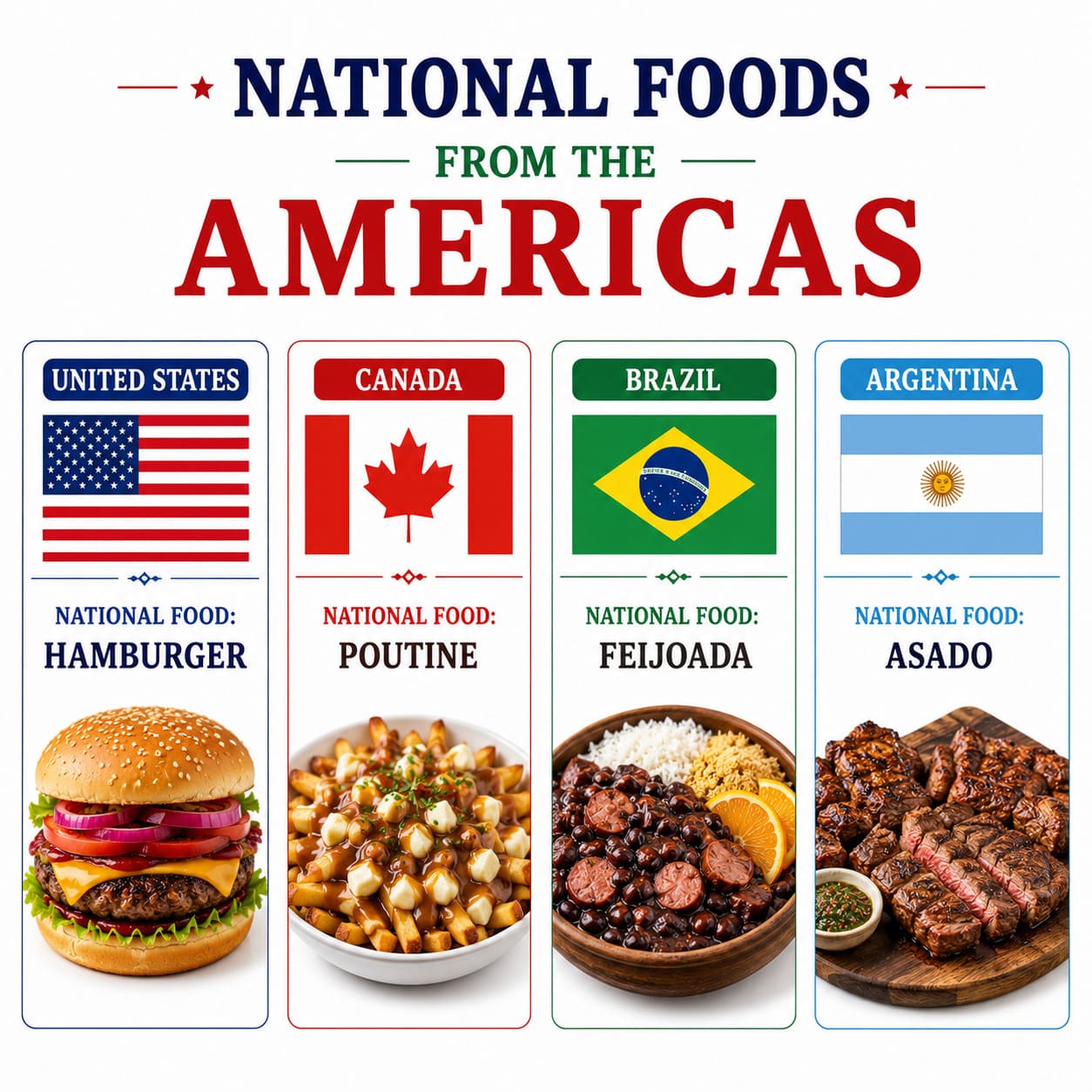
The hamburger has become a symbol of American cuisine.
Components:
Reasons for popularity:
National Food: Poutine
Poutine originated in Quebec.
Ingredients:
Why Canadians enjoy it:
National Food: Feijoada
Feijoada is a black bean stew traditionally cooked with pork.
Usually served with:
Importance:
National Food: Asado
Asado is both a meal and a social event.
Features:
Why it matters:
National Food: Meat Pie
The Australian meat pie is a handheld pastry filled with meat and gravy.
Popular fillings:
Why Australians love it:
National Food: Hangi
Hangi is a traditional Māori cooking method.
Process:
Cultural significance:
Many countries have a dish strongly linked with national identity. Some are official national dishes, while many are widely recognized through culture, tourism, daily meals, and public association.
| Flag | Country | National Food / Dish | Status |
|---|---|---|---|
| 🇦🇫 | Afghanistan | Kabuli Pulao | Widely Recognized |
| 🇦🇱 | Albania | Tavë Kosi | Widely Recognized |
| 🇩🇿 | Algeria | Couscous | Widely Recognized |
| 🇦🇩 | Andorra | Escudella | Widely Recognized |
| 🇦🇴 | Angola | Muamba de Galinha | Widely Recognized |
| 🇦🇬 | Antigua and Barbuda | Fungee and Pepperpot | Official / National Dish |
| 🇦🇷 | Argentina | Asado | Widely Recognized |
| 🇦🇲 | Armenia | Harissa | Widely Recognized |
| 🇦🇺 | Australia | Meat Pie | Widely Recognized |
| 🇦🇹 | Austria | Wiener Schnitzel | Widely Recognized |
| 🇦🇿 | Azerbaijan | Plov | Widely Recognized |
| 🇧🇸 | Bahamas | Conch Salad | Widely Recognized |
| 🇧🇭 | Bahrain | Machboos | Widely Recognized |
| 🇧🇩 | Bangladesh | Hilsa Curry with Rice | Widely Recognized |
| 🇧🇧 | Barbados | Cou-Cou and Flying Fish | Official / National Dish |
| 🇧🇾 | Belarus | Draniki | Widely Recognized |
| 🇧🇪 | Belgium | Moules-Frites | Widely Recognized |
| 🇧🇿 | Belize | Rice and Beans with Stew Chicken | Widely Recognized |
| 🇧🇯 | Benin | Kuli-Kuli | Widely Recognized |
| 🇧🇹 | Bhutan | Ema Datshi | Widely Recognized |
| 🇧🇴 | Bolivia | Salteñas | Widely Recognized |
| 🇧🇦 | Bosnia and Herzegovina | Ćevapi | Widely Recognized |
| 🇧🇼 | Botswana | Seswaa | Widely Recognized |
| 🇧🇷 | Brazil | Feijoada | Widely Recognized |
| 🇧🇳 | Brunei | Ambuyat | Widely Recognized |
| 🇧🇬 | Bulgaria | Shopska Salad | Widely Recognized |
| 🇧🇫 | Burkina Faso | Riz Gras | Widely Recognized |
| 🇧🇮 | Burundi | Boko Boko Harees | Widely Recognized |
| 🇰🇭 | Cambodia | Fish Amok | Widely Recognized |
| 🇨🇲 | Cameroon | Ndolé | Widely Recognized |
| 🇨🇦 | Canada | Poutine | Widely Recognized |
| 🇨🇻 | Cape Verde | Cachupa | Widely Recognized |
| 🇨🇫 | Central African Republic | Gozo with Sauce | Widely Recognized |
| 🇹🇩 | Chad | Daraba | Widely Recognized |
| 🇨🇱 | Chile | Pastel de Choclo | Widely Recognized |
| 🇨🇳 | China | Peking Duck | Widely Recognized |
| 🇨🇴 | Colombia | Bandeja Paisa | Widely Recognized |
| 🇰🇲 | Comoros | Langouste à la Vanille | Widely Recognized |
| 🇨🇬 | Congo | Moambé Chicken | Widely Recognized |
| 🇨🇷 | Costa Rica | Gallo Pinto | Widely Recognized |
| 🇨🇮 | Côte d’Ivoire | Attiéké with Fish | Widely Recognized |
| 🇭🇷 | Croatia | Zagorski Štrukli | Widely Recognized |
| 🇨🇺 | Cuba | Ropa Vieja | Widely Recognized |
| 🇨🇾 | Cyprus | Souvla | Widely Recognized |
| 🇨🇿 | Czech Republic | Vepřo Knedlo Zelo | Widely Recognized |
| 🇨🇩 | Democratic Republic of the Congo | Moambé Chicken | Widely Recognized |
| 🇩🇰 | Denmark | Stegt Flæsk | Official / National Dish |
| 🇩🇯 | Djibouti | Skoudehkaris | Widely Recognized |
| 🇩🇲 | Dominica | Callaloo Soup | Official / National Dish |
| 🇩🇴 | Dominican Republic | La Bandera Dominicana | Widely Recognized |
| 🇪🇨 | Ecuador | Encebollado | Widely Recognized |
| 🇪🇬 | Egypt | Koshari | Widely Recognized |
| 🇸🇻 | El Salvador | Pupusa | Official / National Dish |
| 🇬🇶 | Equatorial Guinea | Succotash | Widely Recognized |
| 🇪🇷 | Eritrea | Zigini with Injera | Widely Recognized |
| 🇪🇪 | Estonia | Verivorst | Widely Recognized |
| 🇸🇿 | Eswatini | Sishwala | Widely Recognized |
| 🇪🇹 | Ethiopia | Injera with Doro Wat | Widely Recognized |
| 🇫🇯 | Fiji | Kokoda | Widely Recognized |
| 🇫🇮 | Finland | Karelian Pasty | Widely Recognized |
| 🇫🇷 | France | Pot-au-Feu | Widely Recognized |
| 🇬🇦 | Gabon | Poulet Nyembwe | Widely Recognized |
| 🇬🇲 | Gambia | Domoda | Widely Recognized |
| 🇬🇪 | Georgia | Khachapuri | Widely Recognized |
| 🇩🇪 | Germany | Sauerbraten | Widely Recognized |
| 🇬🇭 | Ghana | Fufu with Light Soup | Widely Recognized |
| 🇬🇷 | Greece | Moussaka | Widely Recognized |
| 🇬🇩 | Grenada | Oil Down | Official / National Dish |
| 🇬🇹 | Guatemala | Pepián | Widely Recognized |
| 🇬🇳 | Guinea | Poulet Yassa | Widely Recognized |
| 🇬🇼 | Guinea-Bissau | Jollof Rice | Widely Recognized |
| 🇬🇾 | Guyana | Pepperpot | Widely Recognized |
| 🇭🇹 | Haiti | Soup Joumou | Widely Recognized |
| 🇭🇳 | Honduras | Baleada | Widely Recognized |
| 🇭🇺 | Hungary | Goulash | Widely Recognized |
| 🇮🇸 | Iceland | Hákarl | Widely Recognized |
| 🇮🇳 | India | Khichdi | Widely Recognized |
| 🇮🇩 | Indonesia | Nasi Goreng | Widely Recognized |
| 🇮🇷 | Iran | Chelow Kabab | Widely Recognized |
| 🇮🇶 | Iraq | Masgouf | Widely Recognized |
| 🇮🇪 | Ireland | Irish Stew | Widely Recognized |
| 🇮🇱 | Israel | Falafel | Widely Recognized |
| 🇮🇹 | Italy | Pizza | Widely Recognized |
| 🇯🇲 | Jamaica | Ackee and Saltfish | Official / National Dish |
| 🇯🇵 | Japan | Sushi | Widely Recognized |
| 🇯🇴 | Jordan | Mansaf | Widely Recognized |
| 🇰🇿 | Kazakhstan | Beshbarmak | Widely Recognized |
| 🇰🇪 | Kenya | Ugali | Widely Recognized |
| 🇰🇮 | Kiribati | Palusami | Widely Recognized |
| 🇰🇼 | Kuwait | Machboos Laham | Widely Recognized |
| 🇰🇬 | Kyrgyzstan | Beshbarmak | Widely Recognized |
| 🇱🇦 | Laos | Larb | Widely Recognized |
| 🇱🇻 | Latvia | Grey Peas with Bacon | Widely Recognized |
| 🇱🇧 | Lebanon | Kibbeh | Widely Recognized |
| 🇱🇸 | Lesotho | Papa with Moroho | Widely Recognized |
| 🇱🇷 | Liberia | Dumboy | Widely Recognized |
| 🇱🇾 | Libya | Bazeen | Widely Recognized |
| 🇱🇮 | Liechtenstein | Käsknöpfle | Widely Recognized |
| 🇱🇹 | Lithuania | Cepelinai | Widely Recognized |
| 🇱🇺 | Luxembourg | Judd mat Gaardebounen | Widely Recognized |
| 🇲🇬 | Madagascar | Romazava | Widely Recognized |
| 🇲🇼 | Malawi | Nsima with Chambo | Widely Recognized |
| 🇲🇾 | Malaysia | Nasi Lemak | Widely Recognized |
| 🇲🇻 | Maldives | Mas Huni | Widely Recognized |
| 🇲🇱 | Mali | Tiguadege Na | Widely Recognized |
| 🇲🇹 | Malta | Stuffat tal-Fenek | Widely Recognized |
| 🇲🇭 | Marshall Islands | Barramundi Cod | Widely Recognized |
| 🇲🇷 | Mauritania | Thieboudienne | Widely Recognized |
| 🇲🇺 | Mauritius | Dholl Puri | Widely Recognized |
| 🇲🇽 | Mexico | Mole Poblano | Widely Recognized |
| 🇫🇲 | Micronesia | Chicken Kelaguen | Widely Recognized |
| 🇲🇩 | Moldova | Mămăligă | Widely Recognized |
| 🇲🇨 | Monaco | Barbagiuan | Widely Recognized |
| 🇲🇳 | Mongolia | Buuz | Widely Recognized |
| 🇲🇪 | Montenegro | Njeguški Pršut | Widely Recognized |
| 🇲🇦 | Morocco | Couscous | Widely Recognized |
| 🇲🇿 | Mozambique | Matapa | Widely Recognized |
| 🇲🇲 | Myanmar | Mohinga | Widely Recognized |
| 🇳🇦 | Namibia | Kapana | Widely Recognized |
| 🇳🇷 | Nauru | Coconut Fish | Widely Recognized |
| 🇳🇵 | Nepal | Dal Bhat | Widely Recognized |
| 🇳🇱 | Netherlands | Stamppot | Widely Recognized |
| 🇳🇿 | New Zealand | Hangi | Widely Recognized |
| 🇳🇮 | Nicaragua | Gallo Pinto | Widely Recognized |
| 🇳🇪 | Niger | Djerma Stew | Widely Recognized |
| 🇳🇬 | Nigeria | Jollof Rice | Widely Recognized |
| 🇰🇵 | North Korea | Kimchi | Widely Recognized |
| 🇲🇰 | North Macedonia | Tavče Gravče | Widely Recognized |
| 🇳🇴 | Norway | Fårikål | Official / National Dish |
| 🇴🇲 | Oman | Shuwa | Widely Recognized |
| 🇵🇰 | Pakistan | Nihari | Widely Recognized |
| 🇵🇼 | Palau | Tinola | Widely Recognized |
| 🇵🇸 | Palestine | Musakhan | Widely Recognized |
| 🇵🇦 | Panama | Sancocho | Widely Recognized |
| 🇵🇬 | Papua New Guinea | Mumu | Widely Recognized |
| 🇵🇾 | Paraguay | Sopa Paraguaya | Widely Recognized |
| 🇵🇪 | Peru | Ceviche | Widely Recognized |
| 🇵🇭 | Philippines | Adobo | Widely Recognized |
| 🇵🇱 | Poland | Bigos | Widely Recognized |
| 🇵🇹 | Portugal | Bacalhau | Widely Recognized |
| 🇶🇦 | Qatar | Machboos | Widely Recognized |
| 🇷🇴 | Romania | Sarmale | Widely Recognized |
| 🇷🇺 | Russia | Borscht | Widely Recognized |
| 🇷🇼 | Rwanda | Ugali with Isombe | Widely Recognized |
| 🇰🇳 | Saint Kitts and Nevis | Stewed Saltfish with Spicy Plantains | Official / National Dish |
| 🇱🇨 | Saint Lucia | Green Fig and Saltfish | Official / National Dish |
| 🇻🇨 | Saint Vincent and the Grenadines | Roasted Breadfruit and Fried Jackfish | Official / National Dish |
| 🇼🇸 | Samoa | Palusami | Widely Recognized |
| 🇸🇲 | San Marino | Torta Tre Monti | Widely Recognized |
| 🇸🇹 | Sao Tome and Principe | Calulu | Widely Recognized |
| 🇸🇦 | Saudi Arabia | Kabsa | Widely Recognized |
| 🇸🇳 | Senegal | Thieboudienne | Official / National Dish |
| 🇷🇸 | Serbia | Ćevapi | Widely Recognized |
| 🇸🇨 | Seychelles | Grilled Fish with Creole Sauce | Widely Recognized |
| 🇸🇱 | Sierra Leone | Cassava Leaves Stew | Widely Recognized |
| 🇸🇬 | Singapore | Hainanese Chicken Rice | Widely Recognized |
| 🇸🇰 | Slovakia | Bryndzové Halušky | Widely Recognized |
| 🇸🇮 | Slovenia | Potica | Widely Recognized |
| 🇸🇧 | Solomon Islands | Poi | Widely Recognized |
| 🇸🇴 | Somalia | Canjeero with Stew | Widely Recognized |
| 🇿🇦 | South Africa | Bobotie | Widely Recognized |
| 🇰🇷 | South Korea | Kimchi | Widely Recognized |
| 🇸🇸 | South Sudan | Kisra with Stew | Widely Recognized |
| 🇪🇸 | Spain | Paella | Widely Recognized |
| 🇱🇰 | Sri Lanka | Rice and Curry | Widely Recognized |
| 🇸🇩 | Sudan | Ful Medames | Widely Recognized |
| 🇸🇷 | Suriname | Pom | Widely Recognized |
| 🇸🇪 | Sweden | Meatballs with Lingonberries | Widely Recognized |
| 🇨🇭 | Switzerland | Fondue | Widely Recognized |
| 🇸🇾 | Syria | Kibbeh | Widely Recognized |
| 🇹🇯 | Tajikistan | Qurutob | Widely Recognized |
| 🇹🇿 | Tanzania | Ugali | Widely Recognized |
| 🇹🇭 | Thailand | Pad Thai | Widely Recognized |
| 🇹🇱 | Timor-Leste | Ikan Pepes | Widely Recognized |
| 🇹🇬 | Togo | Fufu with Peanut Sauce | Widely Recognized |
| 🇹🇴 | Tonga | Ota Ika | Widely Recognized |
| 🇹🇹 | Trinidad and Tobago | Callaloo | Widely Recognized |
| 🇹🇳 | Tunisia | Couscous | Widely Recognized |
| 🇹🇷 | Turkey | Kebab | Widely Recognized |
| 🇹🇲 | Turkmenistan | Palaw | Widely Recognized |
| 🇹🇻 | Tuvalu | Pulaka | Widely Recognized |
| 🇺🇬 | Uganda | Matoke | Widely Recognized |
| 🇺🇦 | Ukraine | Borscht | Official / National Dish |
| 🇦🇪 | United Arab Emirates | Khuzi | Widely Recognized |
| 🇬🇧 | United Kingdom | Fish and Chips | Widely Recognized |
| 🇺🇸 | United States | Hamburger | Widely Recognized |
| 🇺🇾 | Uruguay | Chivito | Widely Recognized |
| 🇺🇿 | Uzbekistan | Plov | Widely Recognized |
| 🇻🇺 | Vanuatu | Laplap | Widely Recognized |
| 🇻🇦 | Vatican City | Fettuccine alla Papalina | Widely Recognized |
| 🇻🇪 | Venezuela | Pabellón Criollo | Widely Recognized |
| 🇻🇳 | Vietnam | Phở | Widely Recognized |
| 🇾🇪 | Yemen | Saltah | Widely Recognized |
| 🇿🇲 | Zambia | Nshima | Widely Recognized |
| 🇿🇼 | Zimbabwe | Sadza | Widely Recognized |
Many national dishes share similar ingredients despite coming from different regions.
Frequently used ingredients include:
Examples:
These similarities show how different cultures solve similar food needs using local resources.
National dishes often reveal important historical events.
Examples include:
Trade routes also influenced many dishes. Spices moved between Asia, the Middle East, and Europe. These exchanges shaped recipes that later became national symbols.
Today, people can enjoy National Food by Country almost anywhere in the world. Restaurants, food festivals, and international travel have introduced traditional dishes to new audiences.
Modern trends include:
Many travelers choose destinations specifically to experience authentic local food. National dishes often become a country’s strongest cultural ambassador.
A national food is a dish strongly associated with a country’s culture, traditions, history, and identity. It often represents the nation worldwide.
No. Many countries do not officially declare a national food. Some dishes become national symbols through popularity, cultural importance, and historical significance.
A traditional dish belongs to a region or community, while a national food represents the entire country and its culinary identity.
Several countries are globally known for their national dishes:
Italy – Pizza
Japan – Sushi
India – Biryani
Mexico – Tacos
Thailand – Pad Thai
South Korea – Kimchi
Spain – Paella
Turkey – Kebab
National foods are usually recognized through history, cultural traditions, local ingredients, and public popularity rather than official government selection.
Yes. Many countries have multiple iconic dishes due to regional diversity, cultural influences, and long culinary traditions across different areas.
Understanding National Food by Country helps people see how food connects history, geography, culture, and daily life. From Japan’s sushi and India’s biryani to Nigeria’s Jollof Rice and Argentina’s asado, every national dish carries a story that goes far beyond taste. These foods show how communities use local ingredients, preserve traditions, and celebrate their identity. Learning about them offers a simple and enjoyable way to explore the world without leaving the dining table.