

National Flower of India Explained with Meanings and History
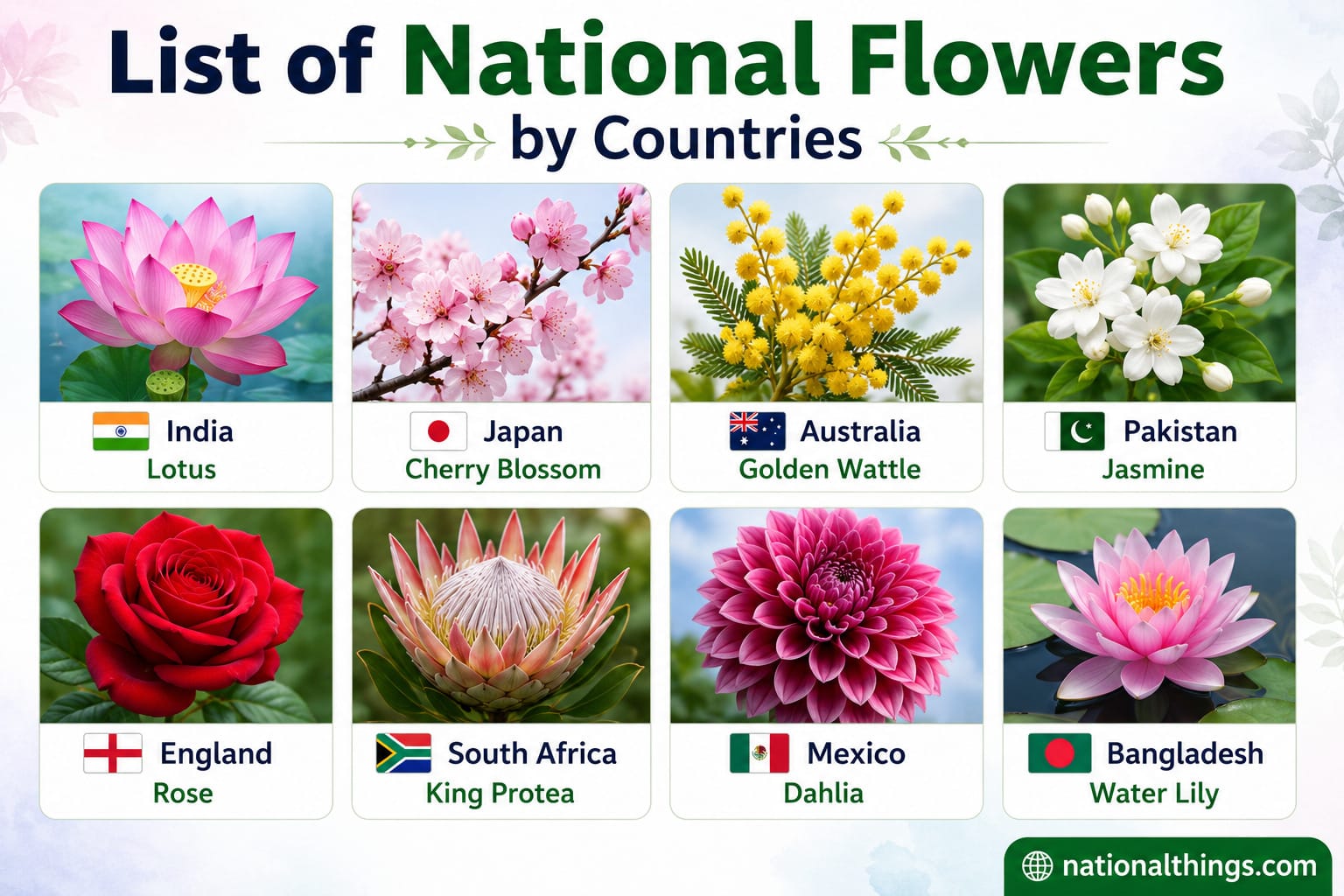
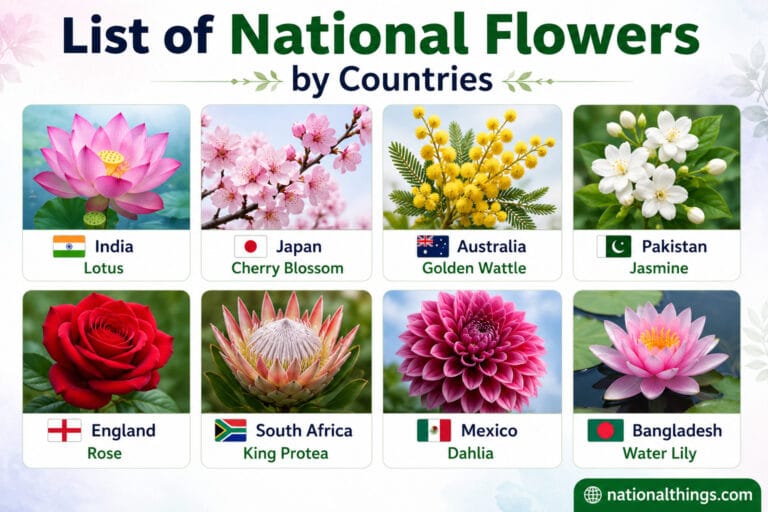
The National Flower of India is the Lotus scientifically known as Nelumbo nucifera. This sacred flower represents purity, wisdom, peace,…
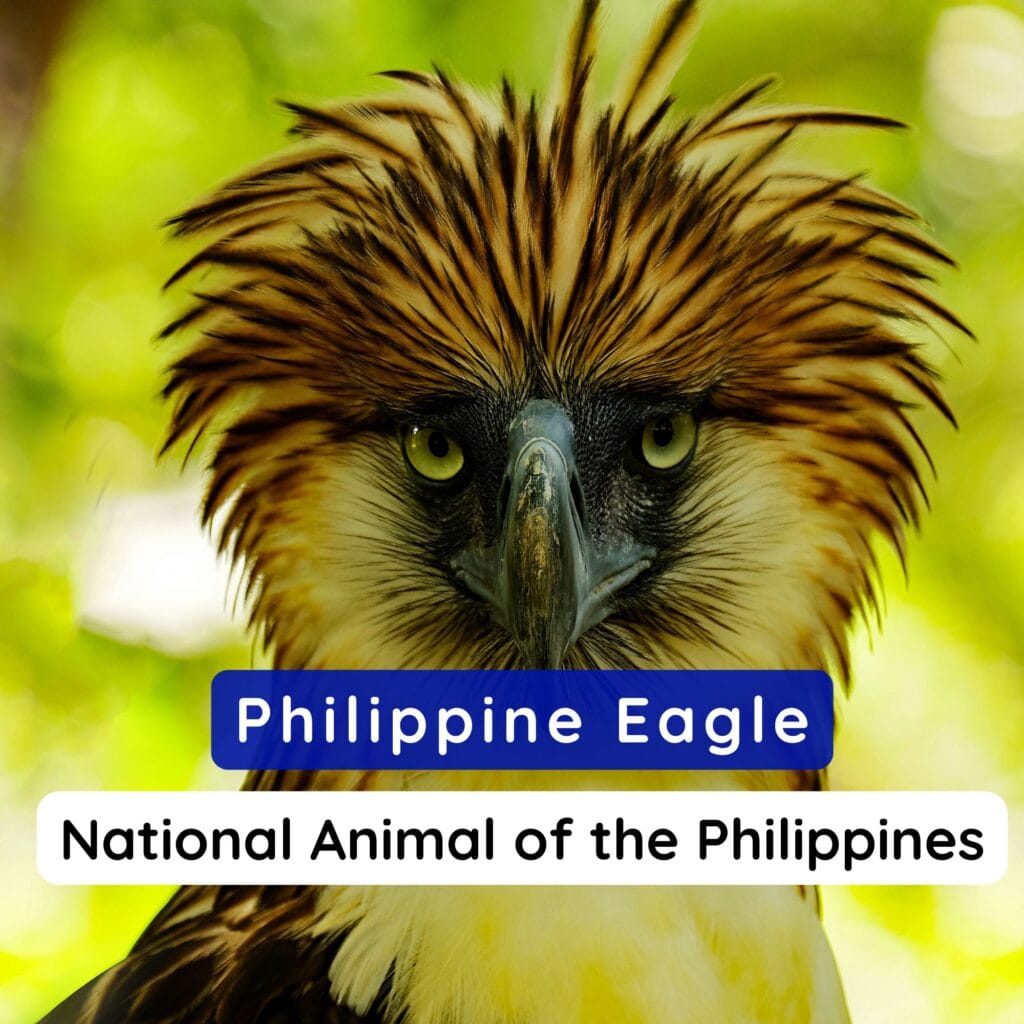
The national animal of the Philippines is the Philippine eagle. It is one of the largest and most powerful eagles in the world. This rare bird is also called the “Monkey-eating Eagle,” although it eats many kinds of animals, not only monkeys.
The Philippine eagle is a strong national symbol. It represents courage, strength, freedom, and the rich natural heritage of the country.
The Philippine eagle was officially declared the national bird of the Philippines in 1995. The government chose it because it is unique to the country and shows the importance of protecting wildlife and forests.
Unlike many national animals that are symbolic only, the Philippine eagle is a real, native species that lives in the country’s tropical rainforests.
The scientific name of the Philippine eagle is Pithecophaga jefferyi.
It belongs to the eagle family and is known for its large size and powerful wings. It is considered one of the heaviest and strongest eagles in the world.
The Philippine eagle is easy to recognize because of its impressive appearance:
An adult eagle can grow up to about 1 meter (3 feet) tall, with a wingspan of around 2 meters (6–7 feet).
The Philippine eagle lives in tropical rainforests. It can be found on major islands such as:
These forests provide tall trees for nesting and enough food for survival.
The Philippine eagle is a top predator. It hunts:
Because of its powerful claws and sharp eyesight, it can catch prey high in the trees.
The Philippine eagle is classified as Critically Endangered. This means it is at very high risk of extinction.
The main reasons include:
Only a few hundred Philippine eagles are believed to remain in the wild. Conservation programs and wildlife organizations are working hard to protect this rare bird.
The Philippine eagle represents:
As the national animal of the Philippines, it reminds people of the importance of protecting nature and wildlife.
The Philippine eagle appears in:
It is also used as a symbol to teach children about biodiversity and environmental protection.
The national animal of the Philippines is not just a symbol. The Philippine eagle is a living treasure of the country’s forests. It represents courage and strength while also reminding people to care for the environment.
Learning about national animals like the Philippine eagle helps us understand culture, identity, and the importance of wildlife conservation in simple and meaningful ways.
Related Articles