National Symbols of Mexico: Animal, Fruit, Bird, and Tree
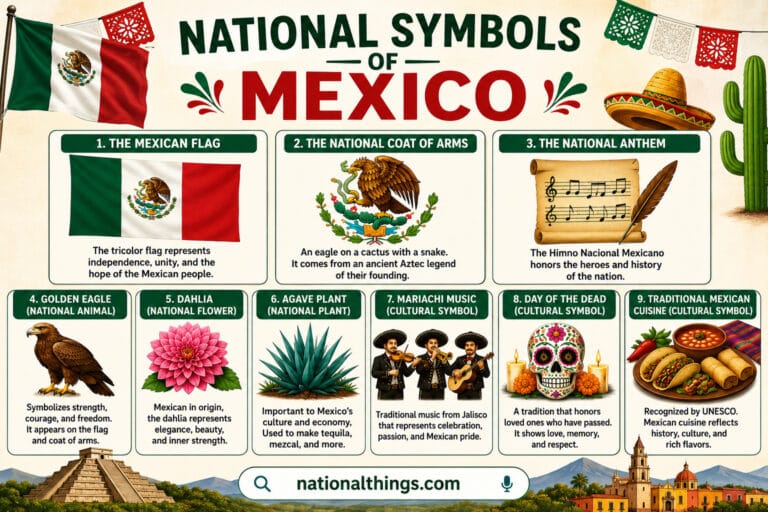
National symbols of Mexico represent the history, culture, freedom, and identity of the Mexican nation. These symbols include the Mexican…
Lion – The National Animal of the United Kingdom
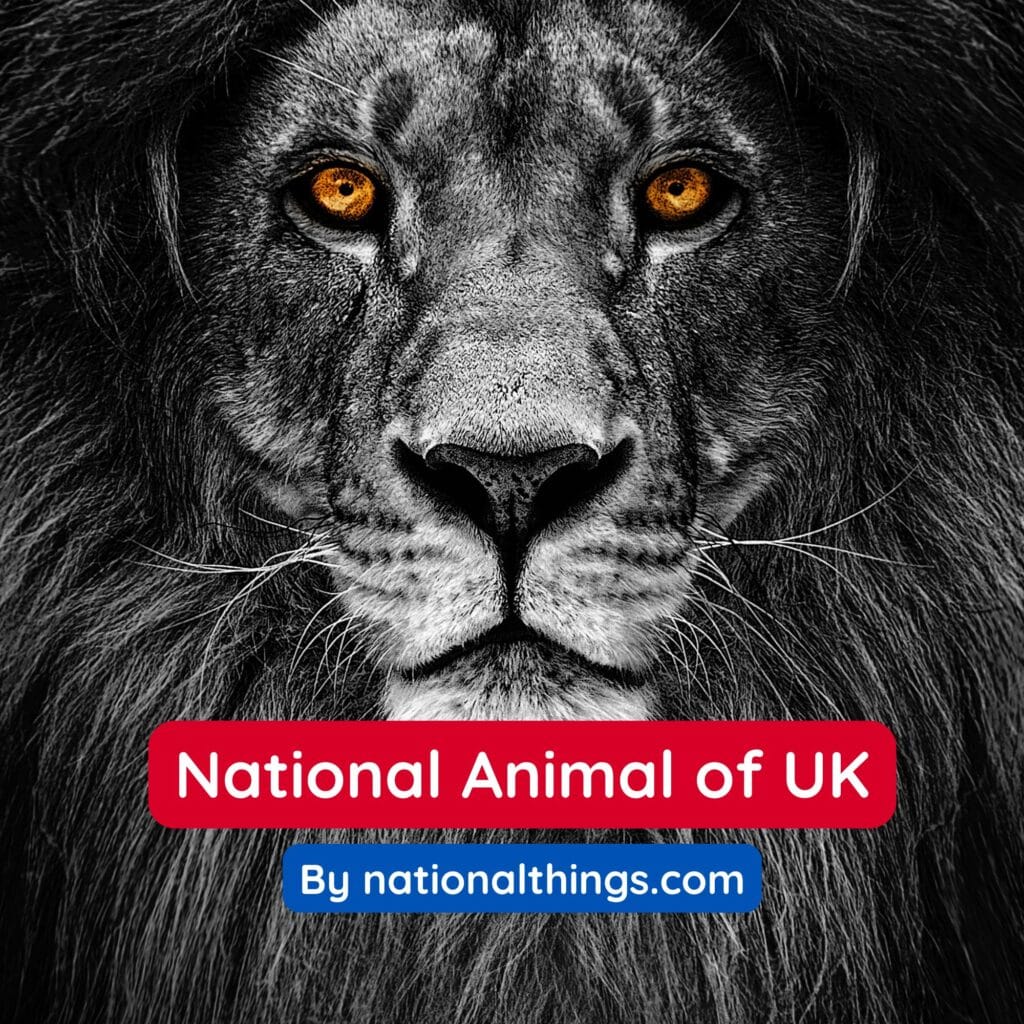
The National Animal of the UK is the lion. The lion is not native to the United Kingdom today, but it has been a powerful national symbol for many centuries. It represents strength, courage, royalty, and pride.
The lion is closely connected with the history and royal tradition of the UK. You can see it on official symbols, coins, flags, and important buildings across the country.
The lion became a national symbol during the medieval period. English kings used the lion on their royal shields and coats of arms to show power and bravery in battle.
Today, the lion is part of the official United Kingdom royal symbol, known as the Royal Coat of Arms of the United Kingdom.
The lion stands for:
Because of these qualities, the lion became a strong and lasting national emblem.
The lion has been used in British history for over 800 years. One of the most famous kings linked with the lion was Richard I, also known as Richard the Lionheart. His nickname showed bravery and military strength.
Since then, the lion has appeared in:
Even today, lion statues guard important places such as Trafalgar Square in London.
It is important to understand that lions do not live naturally in the UK. The animal became extinct in Europe thousands of years ago.
The lion is used as a symbol, not because it lives in the country, but because of what it represents. Many countries choose animals based on meaning rather than location.
The lion plays an important role in the UK’s official royal symbol.
In the Royal Coat of Arms:
The unicorn represents Scotland, while the lion mainly represents England within the UK.
The United Kingdom is made up of four countries, and each has its own traditional animal symbol:
However, when people search for the “National Animal of UK,” they usually mean the lion.
The British lion is more than just an animal image. It is a symbol of national identity.
It represents:
The lion is often used in political cartoons, sports events, and cultural celebrations to represent the country.
The lion continues to appear in modern British life:
The phrase “British Lion” is commonly used to describe the strength and spirit of the nation.
The National Animal of UK is the lion. Even though lions do not live in the country today, they have played a powerful symbolic role in British history for centuries.
The lion stands for bravery, strength, and royal authority. It connects modern Britain with its long royal and cultural traditions. That is why the lion remains one of the strongest and most respected national symbols of the United Kingdom.
Understanding the national animal helps learners know more about the culture, history, and identity of the UK in a simple and meaningful way.
Related Articles