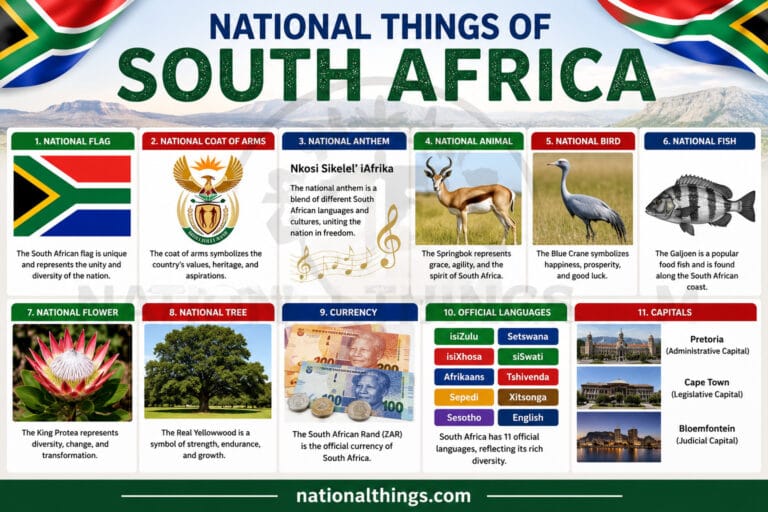
National Things of South Africa: Meanings and Pictures
National Things of South Africa help you understand the country in a simple and meaningful way. This article explains the…
The national animal of Scotland is the unicorn, a symbol that often surprises people because it is not a real animal. But in Scotland, this choice has deep meaning and long history behind it. The National Animal of Scotland reflects ideas of strength, purity, and independence, and it has been part of royal symbols since medieval times. When people search for the Scotland national animal they often expect a lion or eagle, yet Scotland stands apart by choosing a mythical creature that represents untamed power and national identity. This unique symbol continues to appear in official coats of arms, cultural art, and modern branding, showing how history and mythology still shape Scotland today.
The National Animal of Scotland is the unicorn. This may sound unusual because unicorns are not real animals, but Scotland officially chose it as a national symbol based on history and royal traditions. Scotland’s national animal represents purity, strength, and independence in Scottish identity.
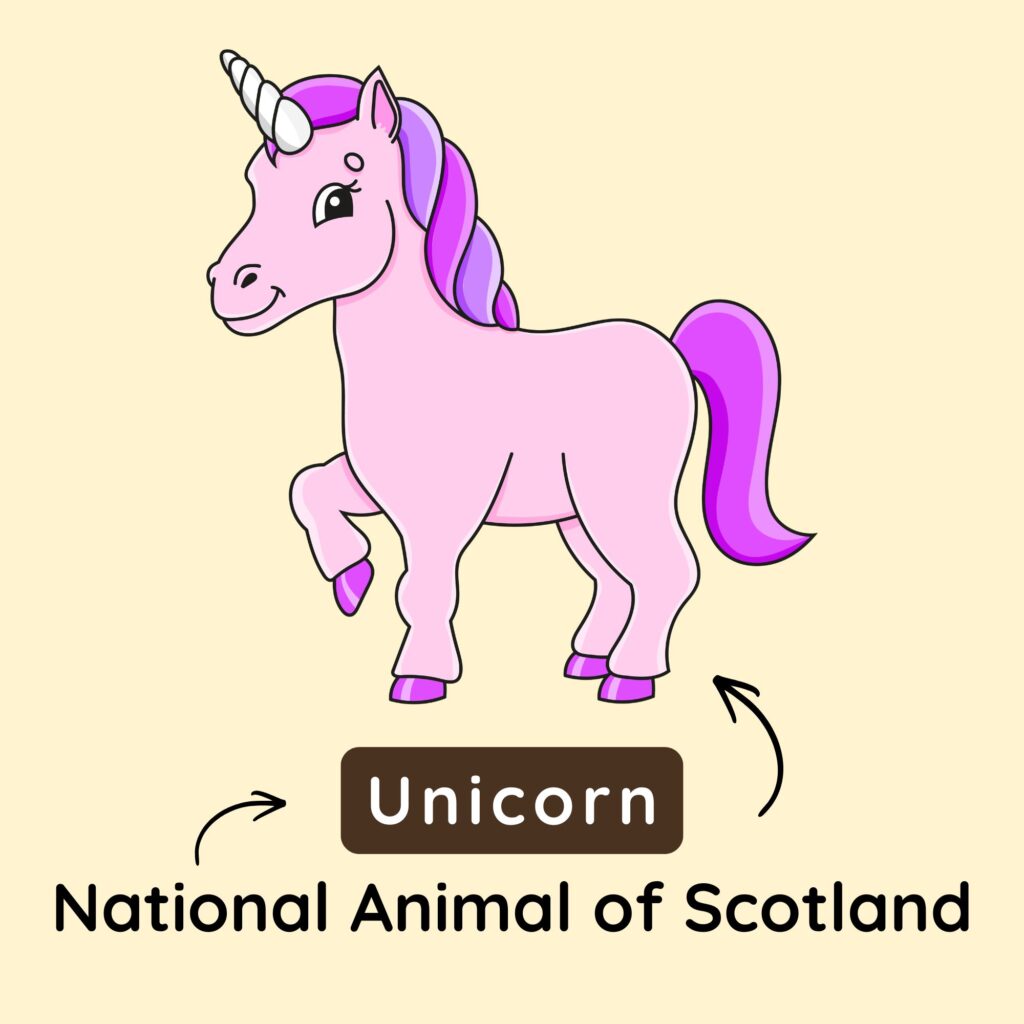
The unicorn is seen in royal coats of arms, government symbols, and historical artwork. In Scottish culture, it is not treated as a fantasy idea only. It is used as a serious national emblem, just like a lion or eagle in other countries.
People often search for the animal of Scotland and expect a real living creature. Scotland’s choice shows how mythology and history can shape national identity in a powerful way.
The unicorn became the Scotland national animal because it was deeply respected in medieval European beliefs. Kings and rulers saw unicorns as symbols of purity and power.
Key reasons for this choice:
During the 15th century, Scottish kings officially used the unicorn in royal symbols. Later, after the union with England, the unicorn was kept to represent Scotland in the combined royal coat of arms.
This shows that the National Animal of Scotland is not random. It comes from long political and cultural history.
The history of the Scotland national animal goes back to medieval times when unicorn legends spread across Europe.
Important historical points:
When Scotland joined with England in 1707, the unicorn remained as a key supporter in the royal coat of arms. It represents Scotland on the left side, holding a shield.
The animal of Scotland, the unicorn, comes from mythology rather than biology. But its meaning changed over time.
In old stories:
In Scottish culture, these ideas became symbols of national values:
Art, poems, and royal documents kept these stories alive. Over time, the unicorn became more than a myth. It became a national identity marker.
The National Animal of Scotland carries strong symbolic meaning in modern and historical contexts.
Main meanings include:
The unicorn is often shown with a golden crown and chains. The chain does not represent weakness. Instead, it shows controlled strength, meaning even the strongest force is guided by law and justice.
The Scotland national animal appears in different artistic and official forms.
Each version shows the same core idea: Scotland’s identity is strong and independent.
The animal of Scotland plays a strong role in how people understand Scottish identity.
Its importance includes:
The unicorn also helps Scotland stand out internationally. Many countries use real animals like lions or eagles. Scotland’s choice makes its identity more distinctive and memorable.
Today, the Scotland national animal is widely used in branding and public communication.
Common uses:
Businesses often use the unicorn to connect with Scottish heritage. It creates a sense of authenticity and tradition.
Here are clear and direct facts about the National Animal of Scotland:
A historical reference confirms its role in heraldry. According to Britannica, the unicorn has been used in European coats of arms for centuries and is strongly linked with Scottish royal symbolism:
https://www.britannica.com/topic/unicorn-mythological-creature
This shows the animal of Scotland is deeply rooted in documented history, not modern invention.
Here is a simple comparison of national animals in the United Kingdom:
Key insight:
This makes the Scotland national animal unique in Europe.
The unicorn brings several cultural and historical benefits to Scotland’s identity.
Main significance points:
It also helps education systems teach history in a more engaging way. Children learn about kings, heraldry, and mythology through a single symbol.
You May Also Like:
It comes from medieval symbolism where unicorns represented purity and untamed strength. Scottish kings adopted it as a royal emblem.
No. It is a mythological creature used as a national symbol.
It has been used since the 1400s in royal symbols and continues today in official heraldry.
It represents independence, purity, strength, and national pride.
You can see it in:
The Royal Coat of Arms
Government buildings
Scottish historical monuments
National branding and tourism materials