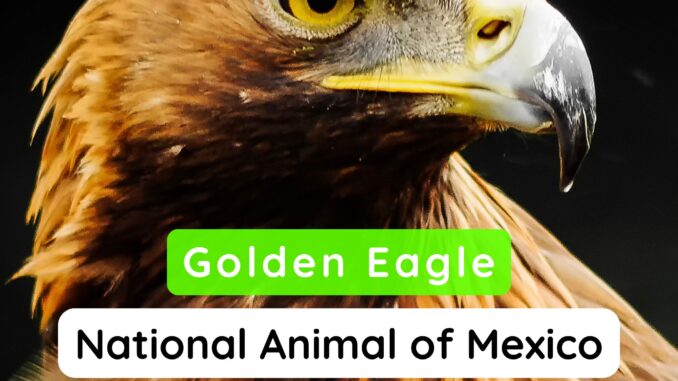
Mexico is a country full of history, culture, and amazing wildlife. Just like every nation has symbols that represent its pride, Mexico has a national animal that holds great importance in its culture, history, and identity. Let’s explore this fascinating topic in detail.
What is the National Animal of Mexico?
The Golden Eagle is the national animal of Mexico. This powerful bird is known for its strength, courage, and sharp eyesight. It is more than just an animal; it is a symbol of freedom, power, and Mexican heritage.
- Scientific name: Aquila chrysaetos
- Type: Bird of prey
- Habitat: Mountains, deserts, and open grasslands
The Golden Eagle is so important that it is even featured on the Mexican flag and coat of arms, showing its central role in Mexican culture.
Why the Golden Eagle is Important to Mexico
The Golden Eagle is not just a beautiful bird; it carries deep meaning in Mexican history:
- Historical Significance:
According to Aztec legends, the gods told the Aztec people to build their city where they saw an eagle eating a snake while perched on a cactus. This led to the founding of Tenochtitlán, now Mexico City. - Symbol of Strength:
The eagle represents courage and power. It is admired for its ability to soar high and hunt skillfully. - National Identity:
The Golden Eagle is a proud emblem of Mexico, reminding people of their culture and independence.
Physical Features of the Golden Eagle
Understanding what makes this bird special helps explain why it became a national symbol:
- Size: Large, wingspan can reach up to 2.3 meters (7.5 feet)
- Color: Dark brown with golden feathers on its head and neck
- Eyes: Extremely sharp eyesight to spot prey from high above
- Diet: Mainly small mammals, birds, and reptiles
These features make the Golden Eagle a majestic and respected bird in Mexico.
Where Can You Find Golden Eagles in Mexico?
Golden Eagles are found in different parts of Mexico, mainly in:
- Rocky mountains and high cliffs
- Open deserts and grasslands
- Remote forests
They are most common in the northern and central regions of Mexico.
Golden Eagle in Mexican Culture
The Golden Eagle is not only a natural treasure but also a cultural and historical icon:
- National Flag: The eagle appears holding a snake on a cactus, a symbol of victory and divine guidance.
- Coat of Arms: Represents the Aztec heritage and Mexico’s roots.
- Art and Literature: Often appears in paintings, sculptures, and stories celebrating Mexican identity.
Fun Facts About the Golden Eagle
Here are some interesting points that make the Golden Eagle even more fascinating:
- Can fly at speeds over 240 km/h (150 mph) when diving
- Lifespan of 30 years in the wild
- Known as a symbol of vision, strength, and freedom
- Top predator in its ecosystem
Conservation Status
The Golden Eagle is protected in Mexico due to its cultural importance. Conservation efforts include:
- Protecting habitats and nesting areas
- Laws against hunting and harming eagles
- Environmental programs to ensure a stable population
This ensures that future generations can continue to see and respect this iconic bird.
Quick Summary
- National animal of Mexico: Golden Eagle
- Symbol of courage, power, and Mexican heritage
- Central to Aztec history and culture
- Protected and celebrated in art, flag, and literature
- Lives mainly in mountains, deserts, and open lands
Understanding the Golden Eagle helps you appreciate Mexico’s culture and wildlife in a simple and memorable way.
Conclusion
The Golden Eagle is more than just the national animal of Mexico; it is a symbol of strength, history, and pride. From the Aztec legends to its place on the national flag, this majestic bird connects Mexicans to their culture and natural heritage. Learning about the Golden Eagle gives us a glimpse into the rich traditions and wildlife of Mexico.
Frequently Asked Questions
Related Articles
Middle Eastern National Animals
The Middle East is a region rich in culture, history, and natural beauty. Each…
150 Most Important Countries and Their National Animals
Every country in the world has its unique national animal, representing its culture, wildlife,…
National Animal of Peru: The Vicuña
The national animal of Peru is the beautiful Vicuña. This graceful animal is known…
National Animal of New Zealand: The Kiwi
The national animal of New Zealand is the famous Kiwi. This small, flightless bird…
National Animal of Cuba: The Cuban Hutia
The national animal of Cuba is the Cuban Hutia (Capromys pilorides). This unique mammal…
National Animal of Dominican Republic: The Palmchat
Every country has special symbols that represent its nature, culture, and identity. One of…
National Animal of Brazil: Onça-pintada
Every country has symbols that represent its culture, nature, and identity. For Brazil, one…
National Animal of South Korea
When we think about countries, many of them have symbols that represent their culture,…
National Animal of Russia: Eurasian Brown Bear
The national animal of Russia is the Eurasian brown bear. This powerful animal is…
National Animal of Italy: The Italian Wolf
Italy is a country with a rich history, deep culture, and strong national pride….
Copyright © 2026 | WordPress Theme by MH Themes
Leave a Reply