Every country in the world has its unique national animal, representing its culture, wildlife, and natural heritage. National animals often symbolize strength, courage, wisdom, or beauty. Learning about them can help readers understand global biodiversity and cultural traditions.
In this article, we will explore 150 important countries and their national animals, grouped by region for easy understanding.
Understanding National Animals
A national animal is an animal species officially recognized by a country as a symbol of its identity and natural heritage.
Countries select national animals for several reasons:
- To represent wildlife found in the country
- To reflect cultural or historical traditions
- To symbolize strength, courage, or beauty
- To promote wildlife conservation and awareness
Many national animals appear on flags, coins, stamps, and official emblems.
Important Countries and Their National Animals
The table below shows some well-known countries and the animals that represent them.
| Country | National Animal | Description |
|---|---|---|
| United States | Bald Eagle | Symbol of freedom, strength, and independence. |
| China | Giant Panda | Known worldwide for its black-and-white fur and peaceful nature. |
| India | Bengal Tiger | Represents power, courage, and rich wildlife. |
| Australia | Red Kangaroo | Symbol of unique Australian wildlife and strength. |
| Canada | Beaver | Represents hard work and determination. |
| Brazil | Jaguar | Powerful predator symbolizing the Amazon rainforest. |
| South Africa | Springbok | Known for speed and agility. |
| Russia | Brown Bear | Represents strength and resilience. |
| Mexico | Golden Eagle | Appears on the national flag and symbolizes power. |
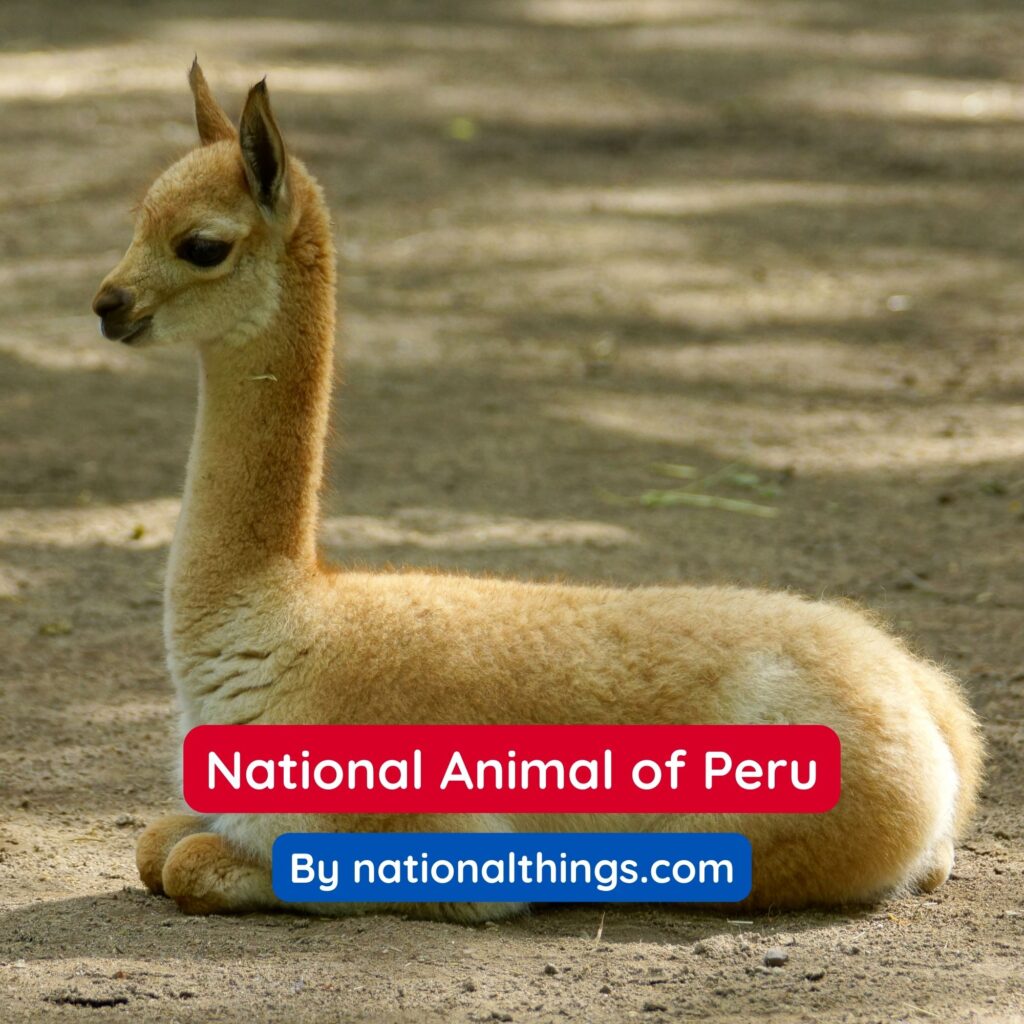
| Peru | Vicuña | Known for its fine wool and Andean heritage. |
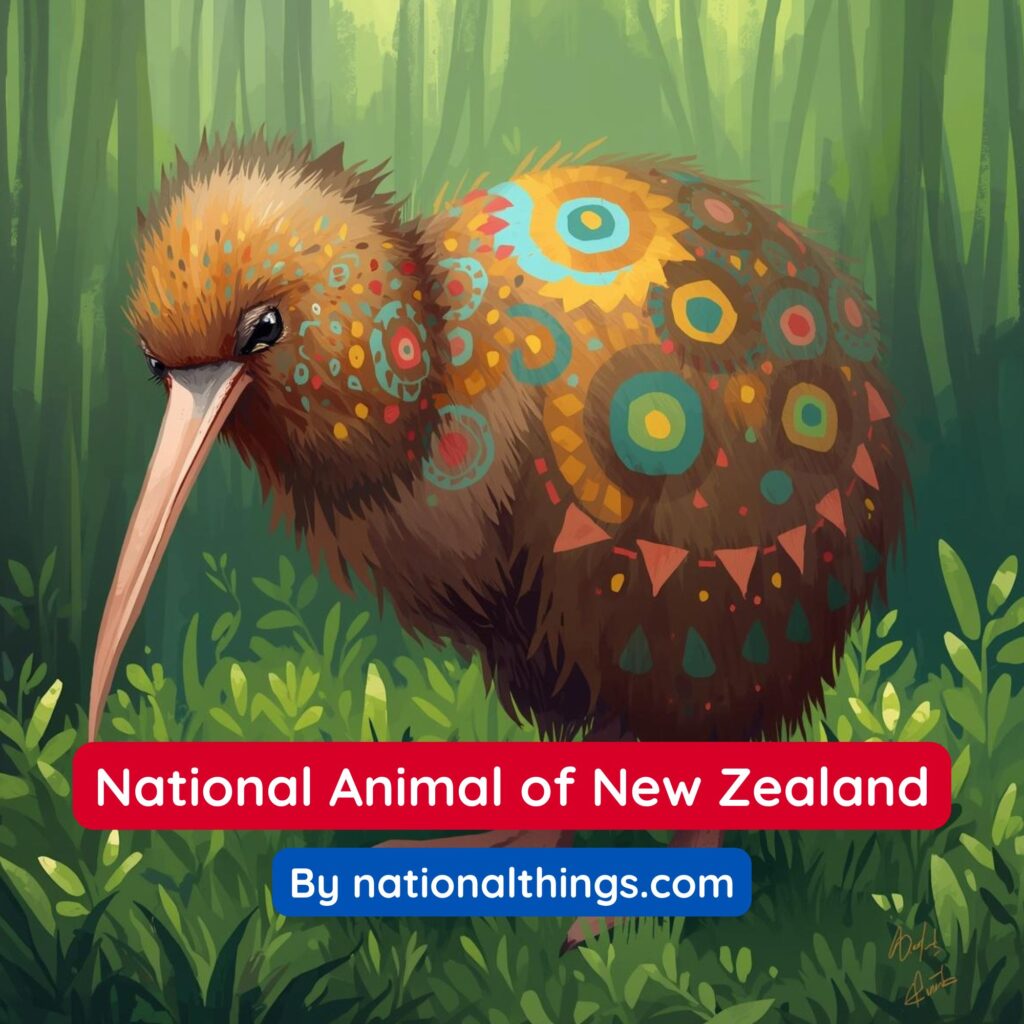
| New Zealand | Kiwi | Unique bird that represents national identity. |
| Thailand | Elephant | Symbol of wisdom and royal heritage. |
National Animals in Asia
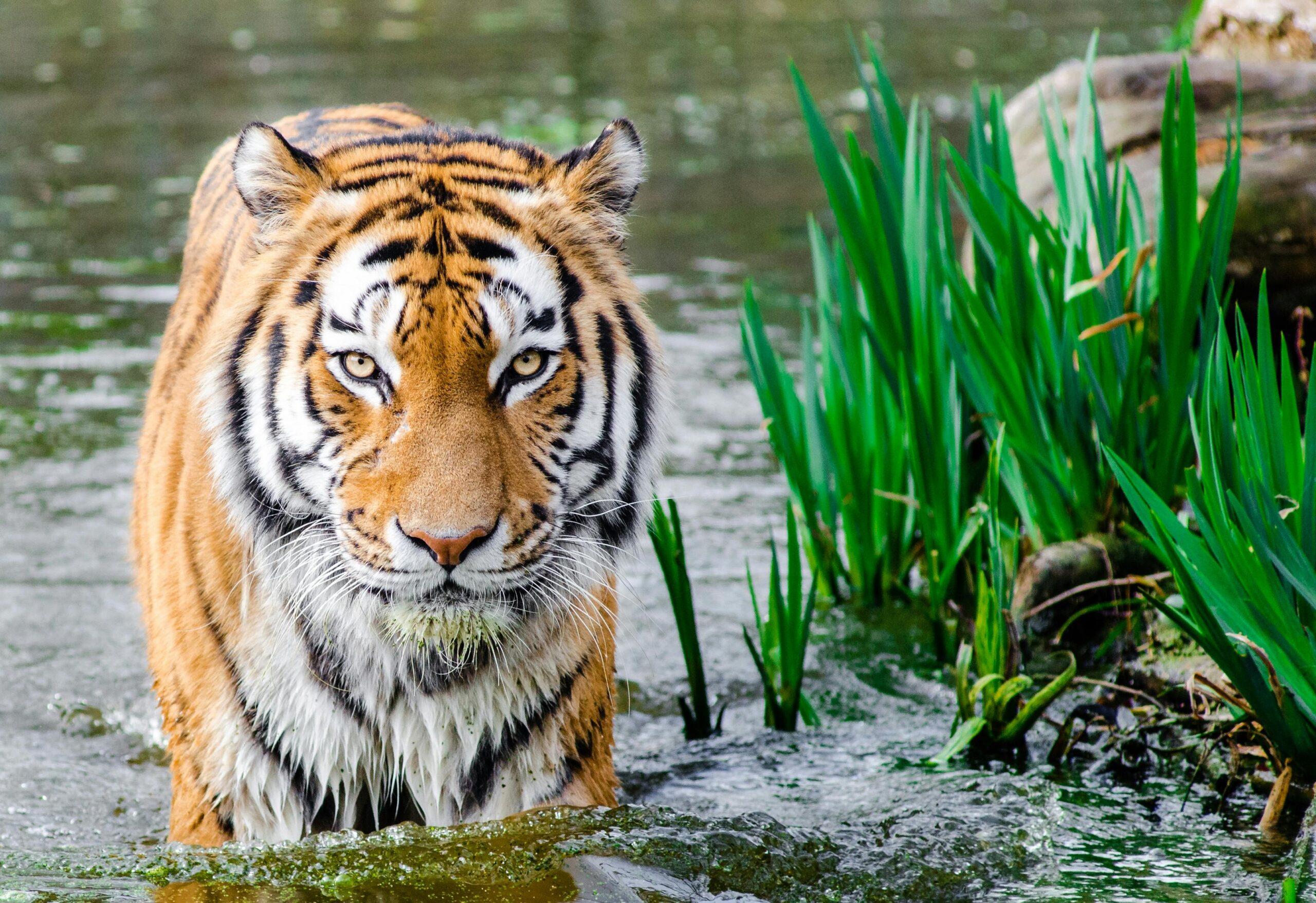
Asia has a rich variety of wildlife, and many countries choose animals that reflect their natural environment and cultural traditions. National animals in Asia include famous species like tigers, pandas, elephants, and camels. These animals represent strength, heritage, and the diverse ecosystems found across the continent.
| Country | National Animal | Description |
|---|---|---|
| China | Giant Panda | A rare bear known for its black and white fur, bamboo diet, and symbol of peace and friendship. |
| India | Bengal Tiger | A powerful predator representing strength, courage, and national pride. |
| Japan | Green Pheasant | Native to Japan, it is known for its colorful feathers and cultural significance. |
| Thailand | Elephant | Symbolizes royalty and wisdom; used historically in ceremonies. |
| Pakistan | Markhor | A wild goat with twisted horns; represents agility and resilience. |
| Bangladesh | Royal Bengal Tiger | A symbol of strength and power in the Sundarbans region. |
| Nepal | Cow | Sacred animal in Hinduism, symbolizes prosperity and religious importance. |
| Sri Lanka | Sri Lankan Elephant | Represents wisdom and cultural heritage, often seen in festivals. |
| Bhutan | Takin | A rare mountain goat-antelope, representing Bhutan’s unique wildlife. |
| Indonesia | Komodo Dragon | Largest living lizard; symbolizes uniqueness and strength of Indonesia. |
| Malaysia | Malayan Tiger | Endangered tiger species, symbol of courage and protection. |
| Mongolia | Przewalski’s Horse | Wild horse native to Mongolia, representing freedom and endurance. |
| Iran | Asiatic Lion | Once widespread, symbolizes strength and historic significance. |
| Israel | Hoopoe | Colorful bird representing uniqueness and nature protection. |
| Saudi Arabia | Camel | Symbolizes endurance and survival in desert conditions. |
National Animals in Europe
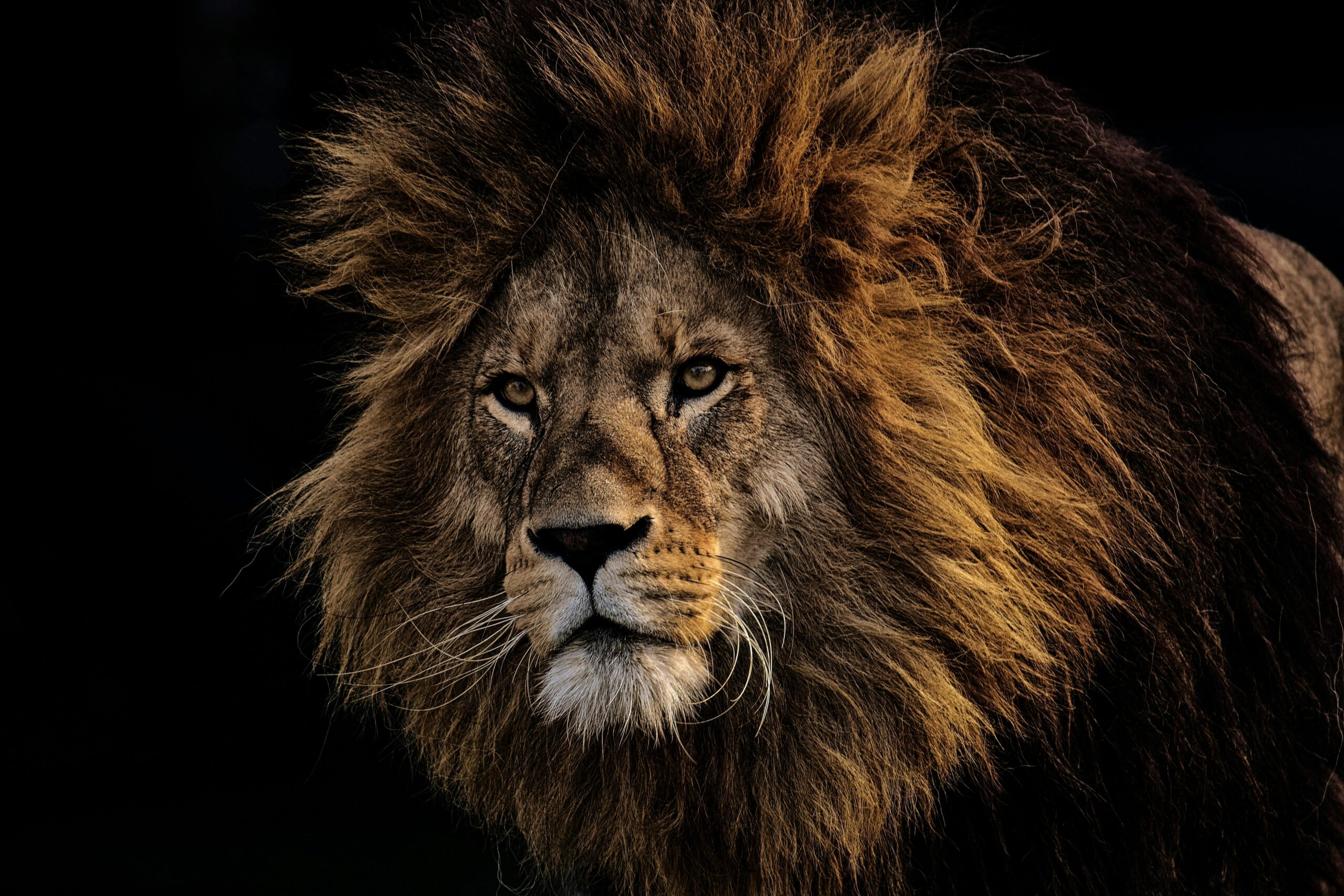
European countries often select national animals that appear in history, folklore, and royal symbols. Animals such as lions, bears, wolves, and eagles are common national symbols. They represent courage, power, and the long cultural traditions of many European nations.
| Country | National Animal | Description |
|---|---|---|
| United Kingdom | Lion | Symbol of courage, strength, and British royalty. |
| Germany | Federal Eagle | Represents power, sovereignty, and national pride. |
| France | Gallic Rooster | Symbol of vigilance, bravery, and national identity. |
| Italy | Italian Wolf | Represents wilderness, strength, and cultural folklore. |
| Spain | Bull | Symbol of strength, bravery, and cultural heritage (bullfighting). |
| Russia | Brown Bear | Powerful and strong, representing resilience and courage. |
| Poland | White Eagle | A heraldic symbol representing freedom and courage. |
| Norway | Lion | Represents national sovereignty and historical power. |
| Sweden | Moose | Symbol of wilderness and nature, common in Swedish forests. |
| Finland | Brown Bear | Represents strength and is respected in Finnish culture. |
| Ireland | Red Deer | National deer representing beauty and wildlife heritage. |
| Scotland | Unicorn | Mythical symbol of purity, strength, and Scottish heritage. |
| Greece | Dolphin | Represents intelligence, freedom, and Greek maritime history. |
| Netherlands | Lion | National symbol of courage and monarchy. |
| Switzerland | Cow | Represents agriculture, alpine life, and prosperity. |
National Animals in Africa
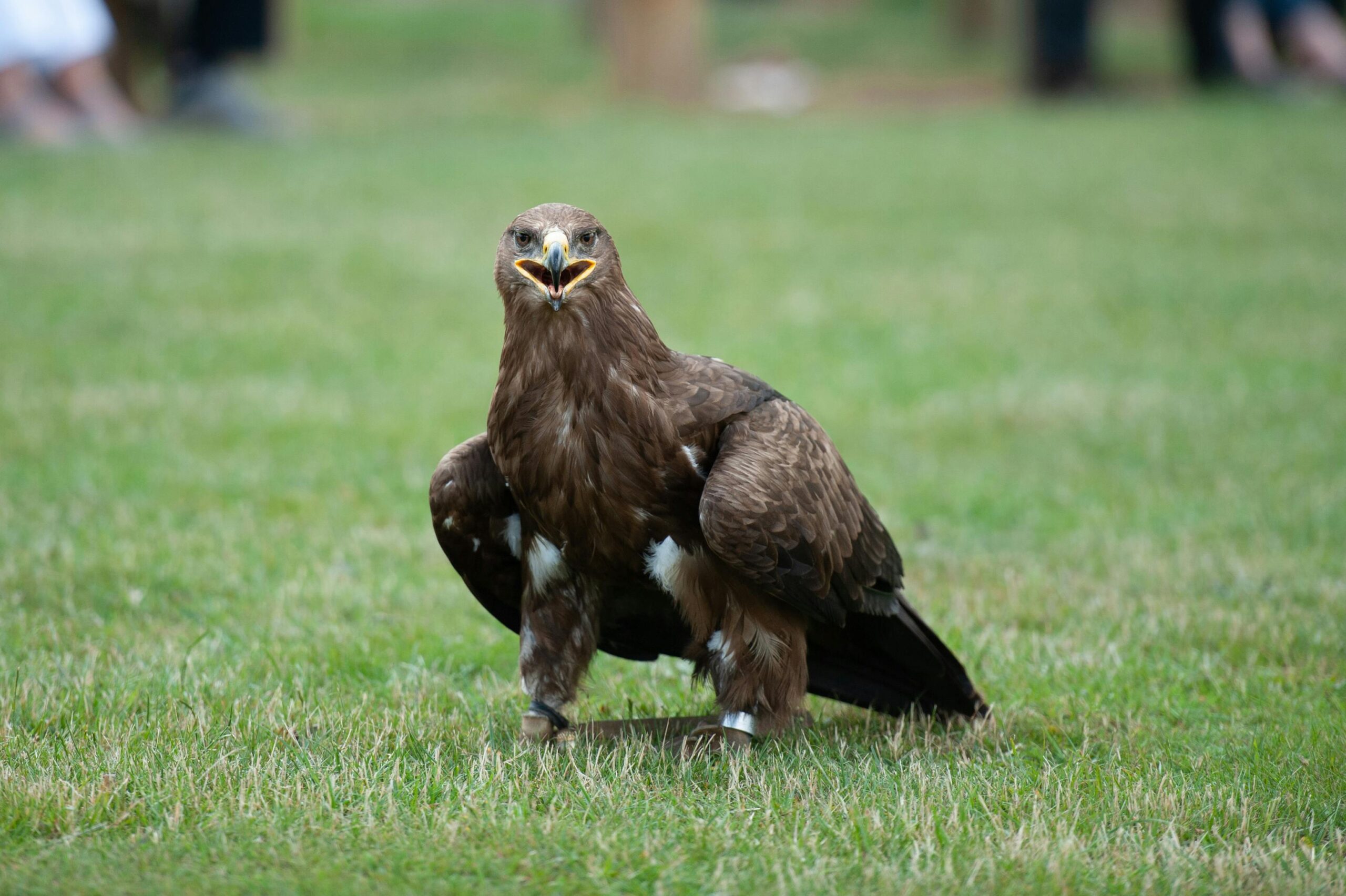
Africa is known for its remarkable wildlife, and many national animals come from the continent’s famous savannas and forests. Lions, elephants, giraffes, and antelopes are commonly chosen as national symbols. These animals reflect the natural beauty, biodiversity, and cultural identity of African countries.
| Country | National Animal | Description |
|---|---|---|
| Egypt | Steppe Eagle | Symbol of strength and vigilance, often associated with pharaohs. |
| South Africa | Springbok | A small antelope representing speed, agility, and national pride. |
| Kenya | Lion | Known as the “king of beasts,” symbolizing courage and wildlife heritage. |
| Nigeria | Eagle | Represents strength, vision, and authority. |
| Botswana | Zebra | National animal representing harmony and beauty in nature. |
| Ethiopia | Abyssinian Lion | Symbolizes bravery and historical significance. |
| Morocco | Barbary Lion | Once native to Morocco; represents courage and heritage. |
| Tanzania | Giraffe | Tallest land animal, symbolizing elegance and wildlife richness. |
| Uganda | Crested Crane | National bird representing peace, beauty, and vigilance. |
| Rwanda | Lion | Represents strength, pride, and cultural importance. |
| Zimbabwe | Sable Antelope | Known for elegance and strength in African grasslands. |
| Algeria | Fennec Fox | Small desert fox, symbolizing adaptability and survival. |
| Ghana | African Hawk Eagle | Represents strength and sharp vision. |
| Madagascar | Ring-tailed Lemur | Unique primate species symbolizing biodiversity. |
| Senegal | Lion | Represents courage, power, and African heritage. |
National Animals in the Americas
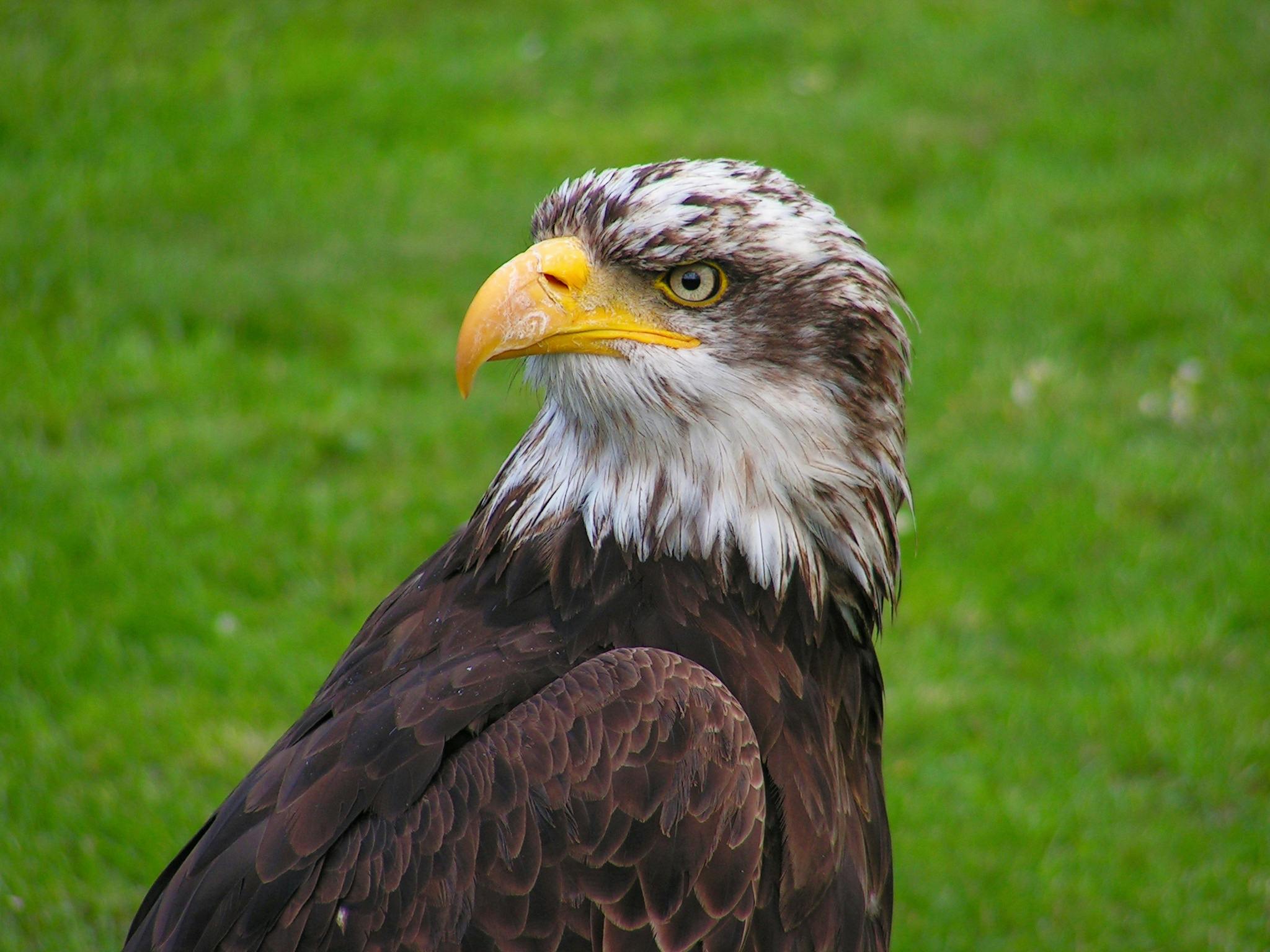
Countries in North and South America have national animals that represent their landscapes and wildlife. Examples include the bald eagle, jaguar, beaver, and condor. These animals symbolize freedom, strength, and the rich natural heritage of the Americas.
| Country | National Animal | Description |
|---|---|---|
| United States | Bald Eagle | Symbol of freedom, courage, and national strength. |
| Canada | Beaver | Represents hard work, perseverance, and resourcefulness. |
| Mexico | Golden Eagle | A symbol of courage and national identity; appears on the flag. |
| Brazil | Jaguar | Powerful predator representing strength and Amazonian wildlife. |
| Argentina | Rufous Hornero | National bird known for building unique clay nests. |
| Chile | Andean Condor | Large bird symbolizing freedom and Andean heritage. |
| Peru | Vicuña | Graceful camelid prized for its fine wool, symbolizing national pride. |
| Colombia | Andean Condor | Represents freedom, power, and the Andes mountains. |
| Venezuela | Venezuelan Troupial | Bright yellow bird symbolizing beauty and culture. |
| Cuba | Cuban Trogon | Colorful national bird representing national pride. |
| Jamaica | Doctor Bird | Unique bird representing speed and cultural identity. |
| Panama | Harpy Eagle | Powerful bird of prey representing strength and resilience. |
| Ecuador | Andean Condor | Symbolizes freedom and majestic highlands of Ecuador. |
| Bolivia | Llama | Represents traditional Andean culture and adaptability. |
| Paraguay | Pampas Deer | National animal representing the grasslands and natural beauty. |
National Animals in Oceania
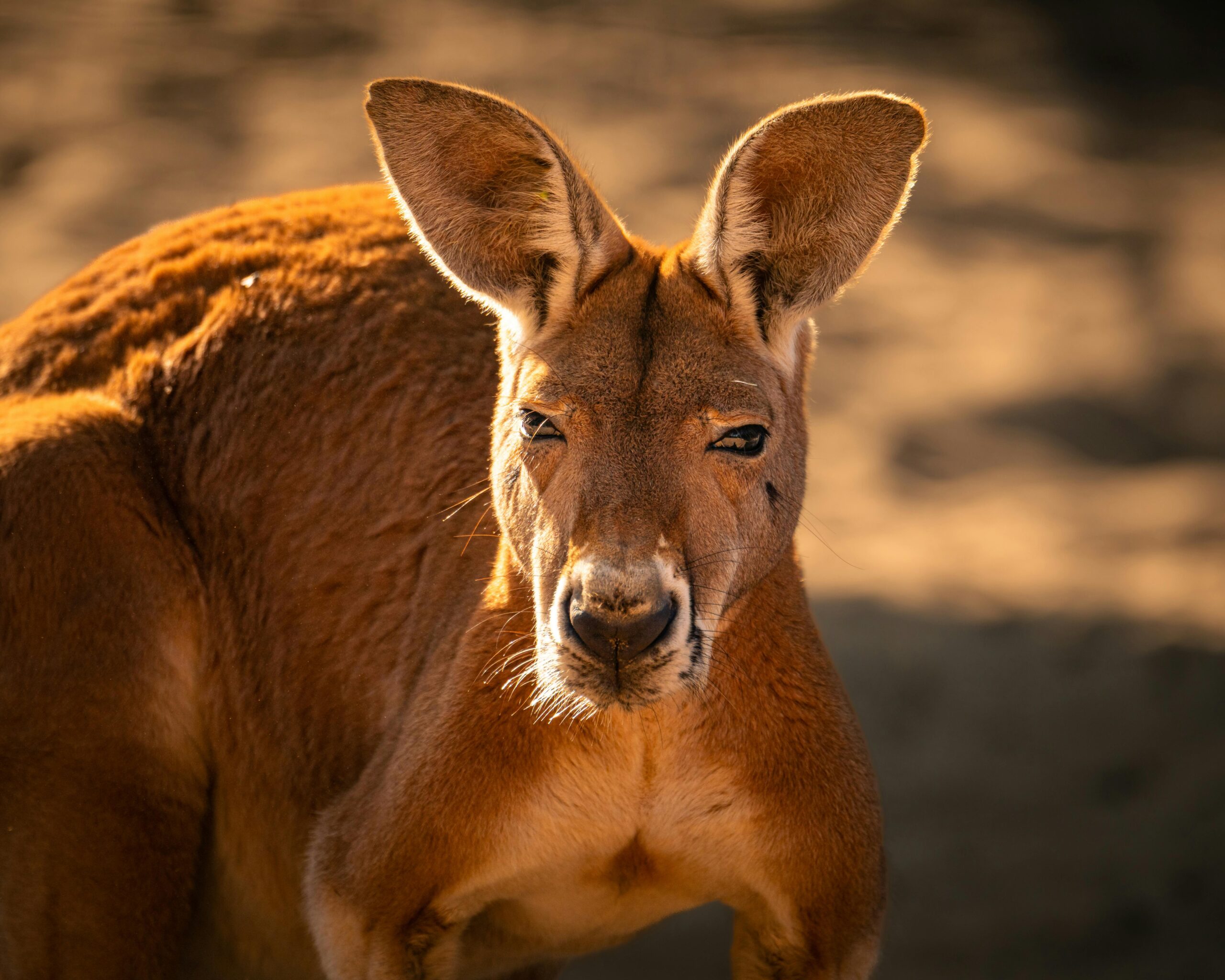
Oceania includes island nations known for unique and rare wildlife. National animals such as kangaroos, kiwis, and birds of paradise highlight the region’s special ecosystems. These animals reflect the natural diversity and environmental importance of the Pacific islands.
| Country | National Animal | Description |
|---|---|---|
| Australia | Red Kangaroo | Largest marsupial, symbolizing strength, speed, and the unique wildlife of Australia. |
| New Zealand | Kiwi | Flightless bird unique to New Zealand, representing national identity and natural heritage. |
| Fiji | Fiji Banded Iguana | Colorful lizard found in forests, representing the island’s unique biodiversity. |
| Papua New Guinea | Bird of Paradise | Brightly colored bird representing beauty and richness of Papua New Guinea’s wildlife. |
| Solomon Islands | Dugong | Marine mammal symbolizing the ocean environment and cultural significance to island communities. |
| Samoa | Flying Fox (Fruit Bat) | Important for pollination, represents ecological balance and native wildlife. |
| Tonga | Red Shining Parrot | Colorful parrot native to Tonga, symbolizing nature and beauty. |
| Vanuatu | Vanuatu Megapode | Ground-dwelling bird, unique to the region, representing resilience and natural heritage. |
| Micronesia | Flying Fish | Represents abundance, ocean life, and cultural traditions. |
| Palau | Dugong | Marine mammal important to local culture and ecosystem, symbolizing conservation. |
National Animals in the Middle East
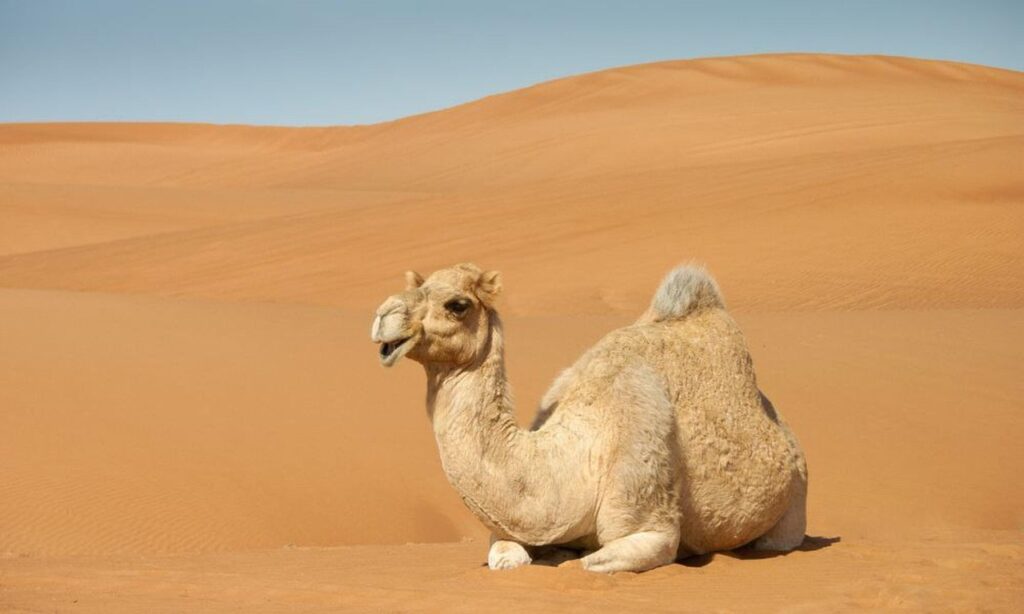
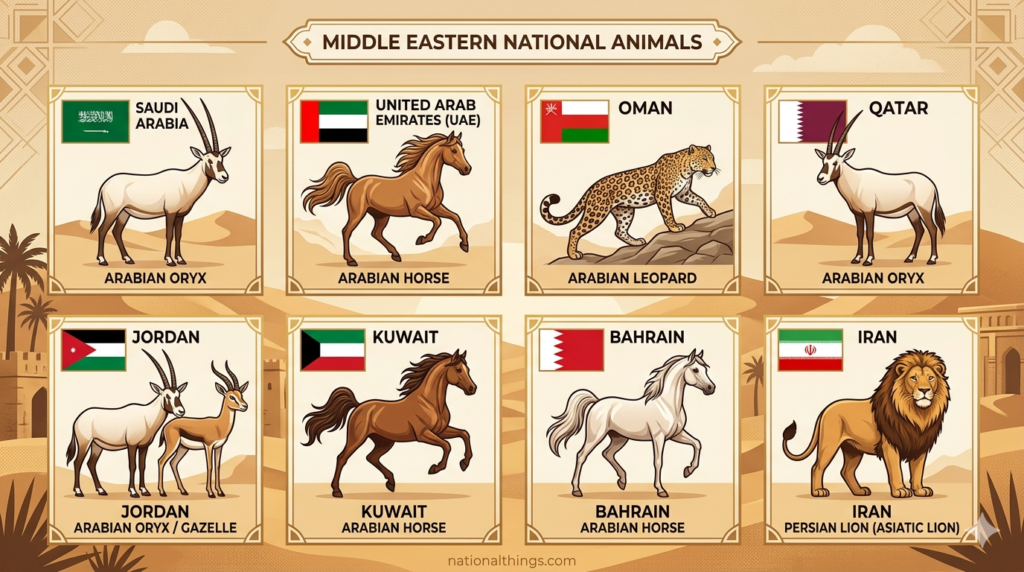
The Middle East is home to animals that are well adapted to desert and mountain environments. National animals like the Arabian oryx, camel, and Arabian leopard represent endurance, survival, and cultural heritage in the region.
| Country | National Animal | Description |
|---|---|---|
| United Arab Emirates | Arabian Oryx | Desert antelope, symbolizing endurance, elegance, and national pride. |
| Qatar | Arabian Oryx | Protected antelope representing strength, survival, and heritage in desert regions. |
| Saudi Arabia | Camel | Iconic desert animal symbolizing endurance, survival, and Arabian culture. |
| Oman | Arabian Leopard | Rare predator representing courage, strength, and conservation of wildlife. |
| Israel | Hoopoe | Colorful national bird symbolizing beauty, vigilance, and uniqueness. |
| Jordan | Arabian Oryx | Symbol of desert wildlife and conservation, reflecting national heritage. |
| Lebanon | Striped Hyena | Represents wilderness and ecological significance in Lebanon’s natural habitats. |
| Kuwait | Arabian Oryx | Protected desert antelope, symbol of endurance and national pride. |
| Bahrain | Arabian Oryx | National symbol of survival and elegance, historically important in desert culture. |
| Iraq | Mesopotamian Fallow Deer | Represents ancient heritage and biodiversity of Mesopotamian region. |
National Animals in Central Asia
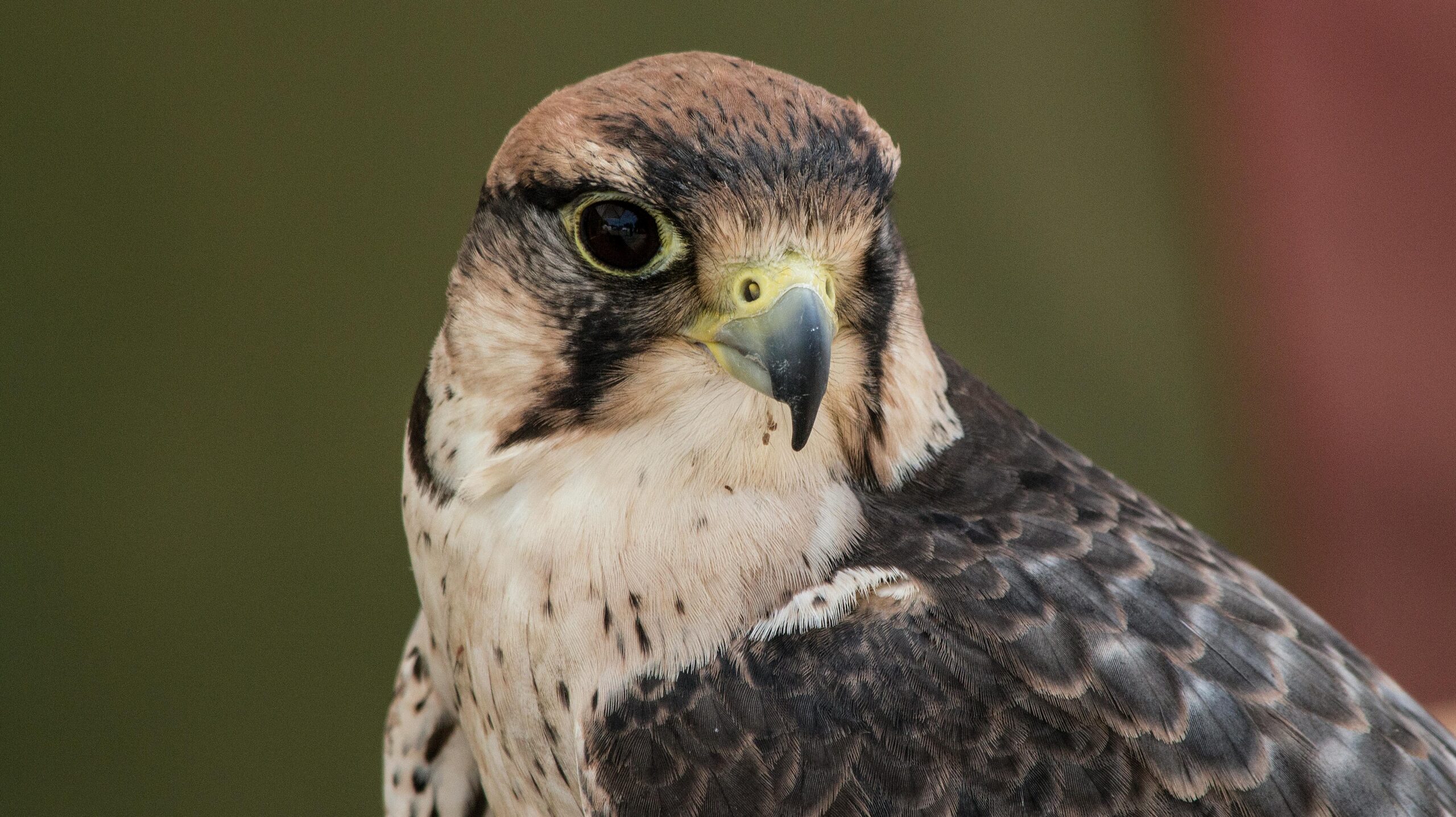
Central Asia features wide steppes and high mountains that support strong and resilient wildlife. National animals such as the snow leopard, steppe eagle, and wild horses symbolize freedom, strength, and the natural landscapes of this region.
| Country | National Animal | Description |
|---|---|---|
| Kazakhstan | Snow Leopard | Rare big cat symbolizing strength, agility, and the rugged mountain environment. |
| Kyrgyzstan | Snow Leopard | Represents wilderness, courage, and mountainous regions of Central Asia. |
| Uzbekistan | Steppe Eagle | Large bird of prey symbolizing vision, freedom, and adaptability. |
| Turkmenistan | Akhal-Teke Horse | Elegant horse breed representing endurance, pride, and cultural heritage. |
| Tajikistan | Marco Polo Sheep | Large wild sheep with spiral horns, symbolizing strength and mountain life. |
| Afghanistan | Snow Leopard | Rare predator representing resilience and the high-altitude ecosystem. |
| Mongolia | Przewalski’s Horse | Wild horse representing freedom, endurance, and Mongolian wildlife heritage. |
| Kazakhstan | Saiga Antelope | Endangered antelope of the steppes, symbolizing agility and ecological importance. |
| Kyrgyzstan | Bactrian Camel | Two-humped camel, symbolizing adaptation and survival in deserts and mountains. |
| Turkmenistan | Falcon | Represents hunting tradition, strength, and national pride. |
Common Types of National Animals
Countries choose different types of animals based on their environment.
Wild Predators
Some countries select powerful predators as symbols.
Examples include:
- Bengal Tiger – India
- Jaguar – Brazil
- Brown Bear – Russia
These animals symbolize strength and leadership.
Birds of National Pride
Birds are also popular national animals because they represent freedom and vision.
Examples include:
- Bald Eagle
- Golden Eagle – Mexico
These birds often appear on national emblems.
Unique Native Animals
Some countries choose animals that exist mainly in their region.
Examples include:
- Red Kangaroo – Australia
- Kiwi – New Zealand
- Vicuña – Peru
These animals highlight the unique wildlife of each country.
Facts About National Animals
- Many national animals are endangered or protected species.
- Some animals appear on flags, coats of arms, and coins.
- A few countries have more than one national animal.
- National animals often help promote wildlife conservation programs.
Protecting National Animals
Many national animals face threats such as habitat loss, hunting, and climate change. Governments and conservation groups work to protect these animals.
Common protection efforts include:
- Wildlife protection laws
- National parks and nature reserves
- Breeding programs
- Public education about conservation
Protecting these animals helps maintain global biodiversity.
Why Learning About National Animals Matters
- Helps understand wildlife diversity across countries
- Connects students with cultural heritage and symbols
- Enhances geography knowledge in an engaging way
- Encourages awareness of animal conservation and protection
National animals are not just symbols—they are a window into a country’s identity, wildlife, and culture.
FAQs
A national animal is a species chosen by a country to represent its culture, wildlife, and national identity. It often symbolizes strength, beauty, or historical significance.
Countries select national animals to reflect cultural values, natural heritage, and wildlife importance. They serve as symbols of pride and identity.
The kiwi bird is the national animal of New Zealand. It is a flightless bird unique to the country, symbolizing natural heritage and national pride.
The red kangaroo is Australia’s national animal. It represents strength, speed, and unique wildlife, and is found in deserts and grasslands.
The giant panda is China’s national animal. Known for its black-and-white fur and bamboo diet, it symbolizes peace, friendship, and conservation.
The bald eagle is the national animal of the United States. It symbolizes freedom, courage, and strength, appearing on official emblems and currency.
The vicuña, Peru’s national animal, is valued for its fine wool, grace, and connection to Andean heritage, and appears on the national coat of arms.
Many national animals, like the vicuña, snow leopard, and tiger, are protected by laws and conservation programs to preserve wildlife and biodiversity.
Studying national animals helps students understand global wildlife, cultural symbols, geography, and conservation efforts, enhancing knowledge in an engaging way.
Related Articles:
Middle Eastern National Animals
The Middle East is a region rich in culture, history, and natural beauty. Each…
National Animal of Peru: The Vicuña
The national animal of Peru is the beautiful Vicuña. This graceful animal is known…
National Animal of New Zealand: The Kiwi
The national animal of New Zealand is the famous Kiwi. This small, flightless bird…
National Animal of Cuba: The Cuban Hutia
The national animal of Cuba is the Cuban Hutia (Capromys pilorides). This unique mammal…
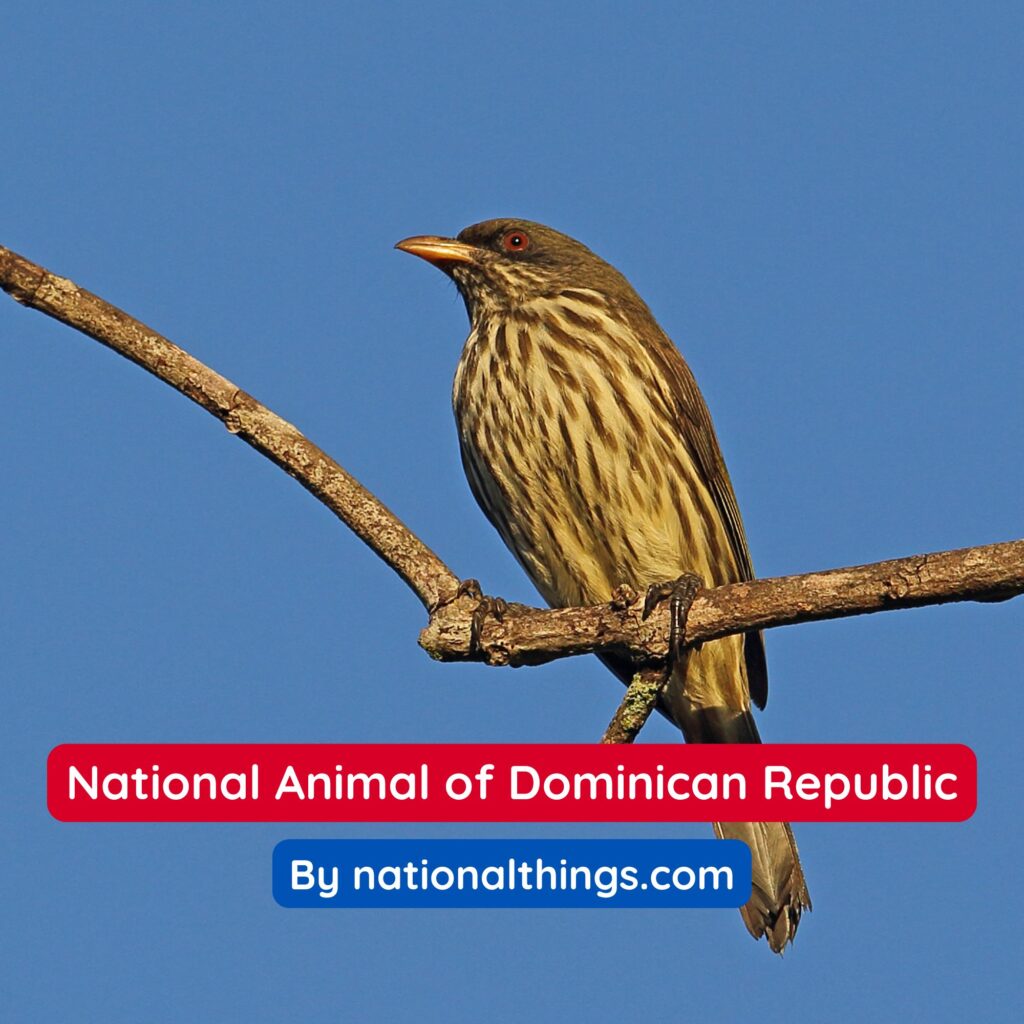
National Animal of Dominican Republic: The Palmchat
Every country has special symbols that represent its nature, culture, and identity. One of…
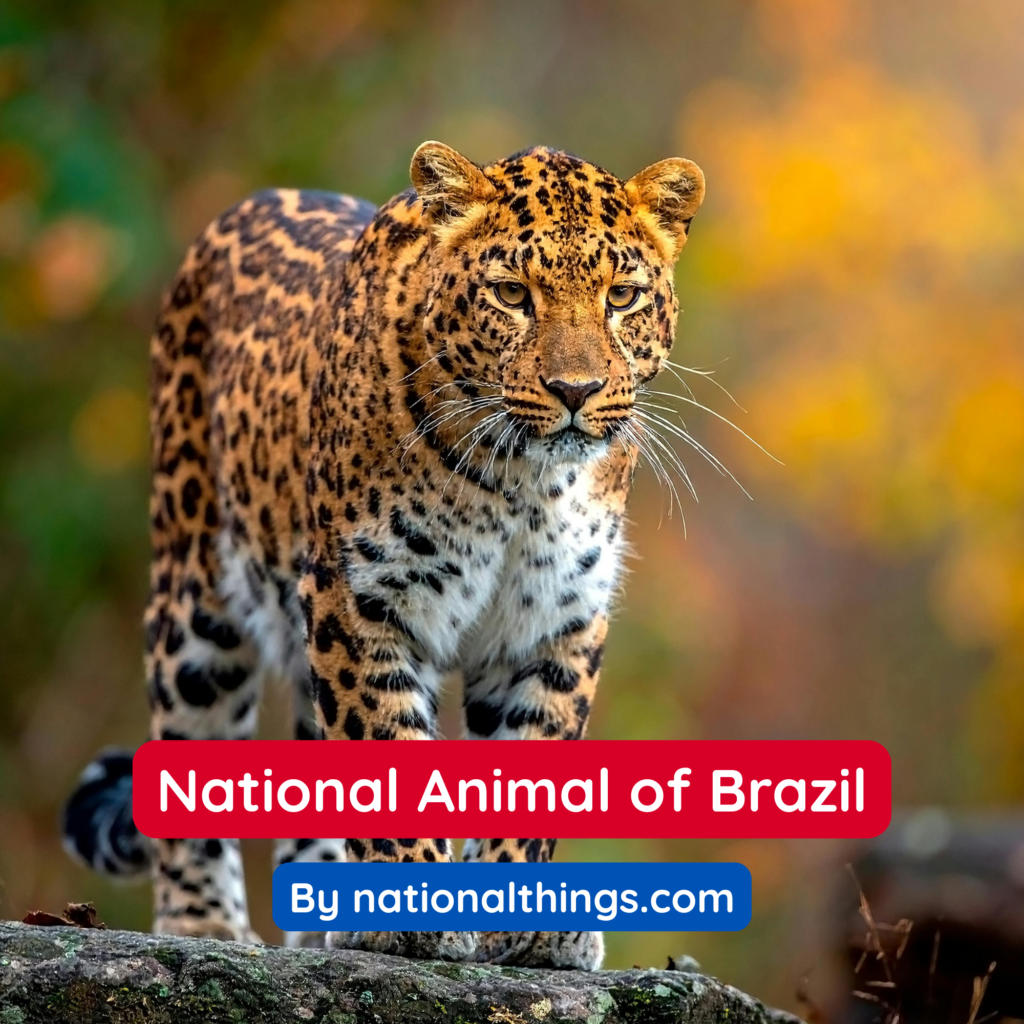
National Animal of Brazil: Onça-pintada
Every country has symbols that represent its culture, nature, and identity. For Brazil, one…
Copyright © 2026 | WordPress Theme by MH Themes
Leave a Reply