The Middle East is a region rich in culture, history, and natural beauty. Each country in this region also has a national animal that represents its heritage, strength, or values. National animals are chosen to symbolize important qualities like courage, loyalty, or freedom. In this article, we will explore the national animals of Middle Eastern countries, learn about their features, and understand why they were chosen.
Contents
5mn read
What Are National Animals?
National animals are species that represent a country’s identity, culture, or natural heritage. They are often featured in:
National symbols
Coins and stamps
Government documents
Cultural stories and legends
Choosing a national animal is a way for countries to celebrate their wildlife and remind people of their national pride.
National Animals of Middle Eastern Countries
Here’s a detailed look at the national animals in the Middle East:
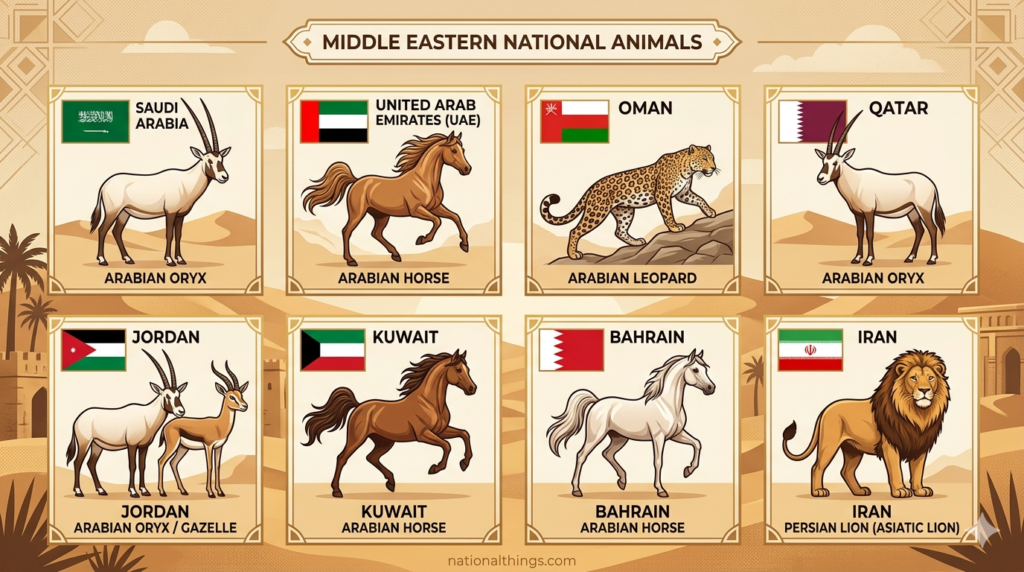
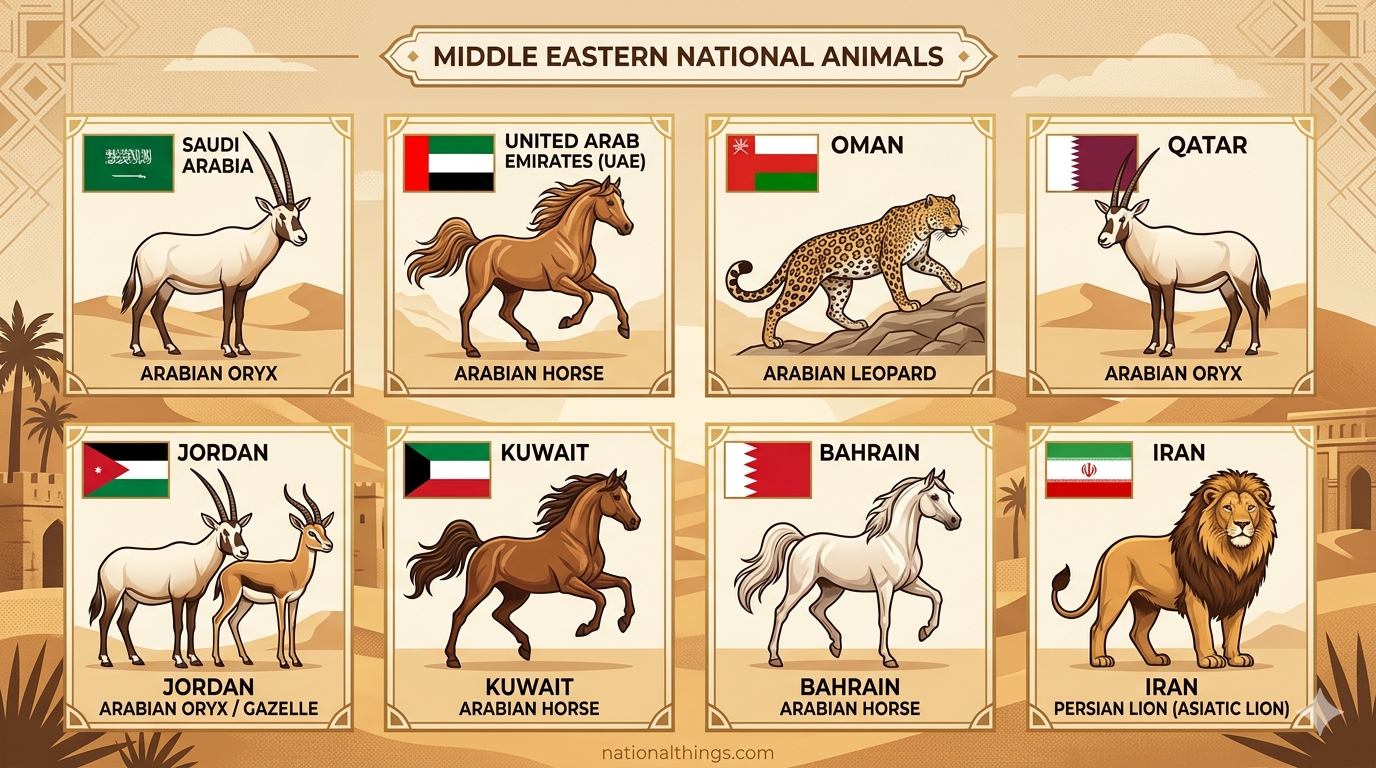
Middle Eastern National Animals
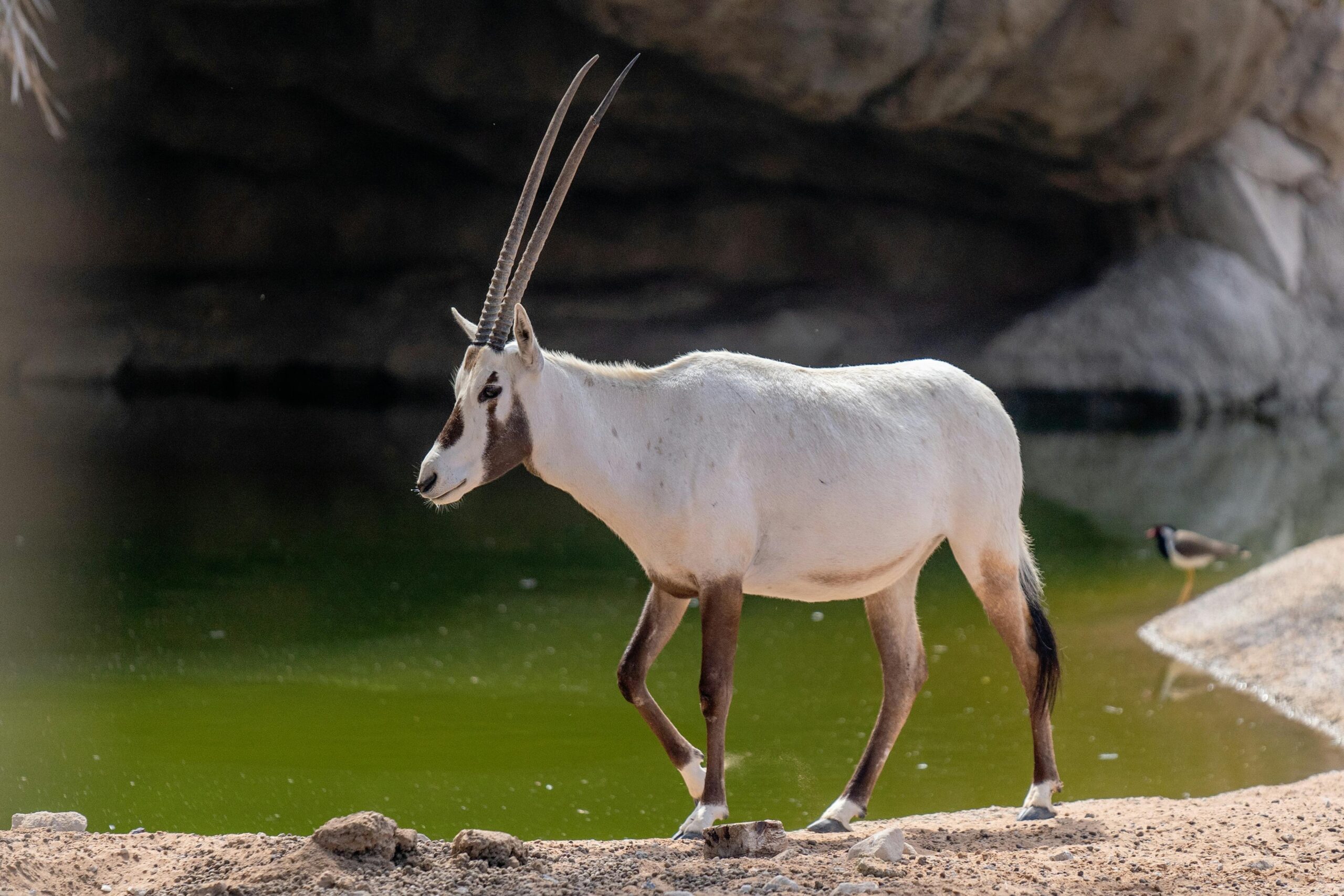
1. Saudi Arabia – Arabian Oryx
Appearance: White body with long, straight horns and a black-tipped tail.
Habitat: Desert areas of the Arabian Peninsula.
Interesting Fact: The Arabian Oryx was once extinct in the wild but has been successfully reintroduced through conservation programs.
Symbolism: Represents beauty, endurance, and survival in harsh desert conditions.
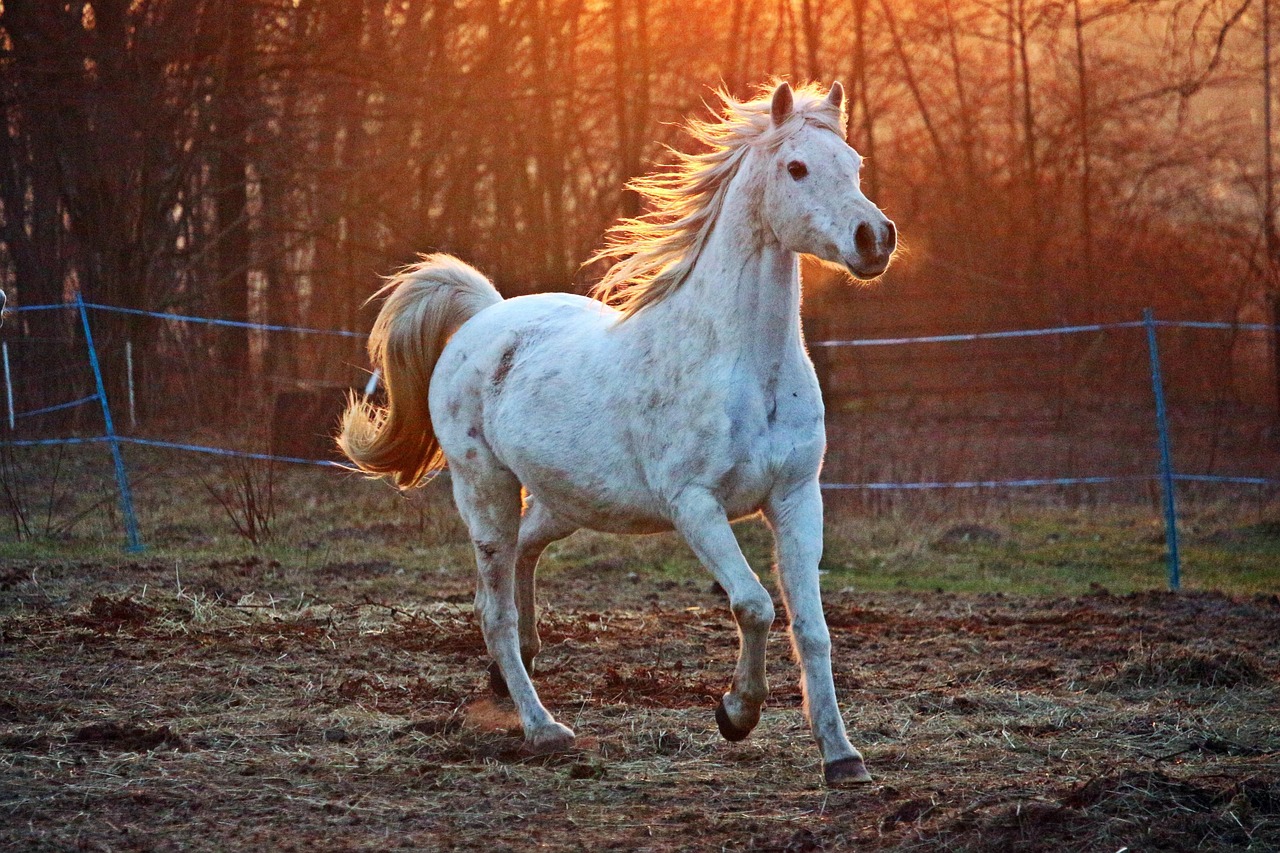
2. United Arab Emirates (UAE) – Arabian Horse
Appearance: Sleek, strong horse with an elegant head and flowing mane.
Habitat: Desert regions, often kept in stables for racing and cultural events.
Interesting Fact: Arabian horses are one of the oldest horse breeds in the world.
Symbolism: Represents grace, pride, and the deep cultural heritage of the UAE.
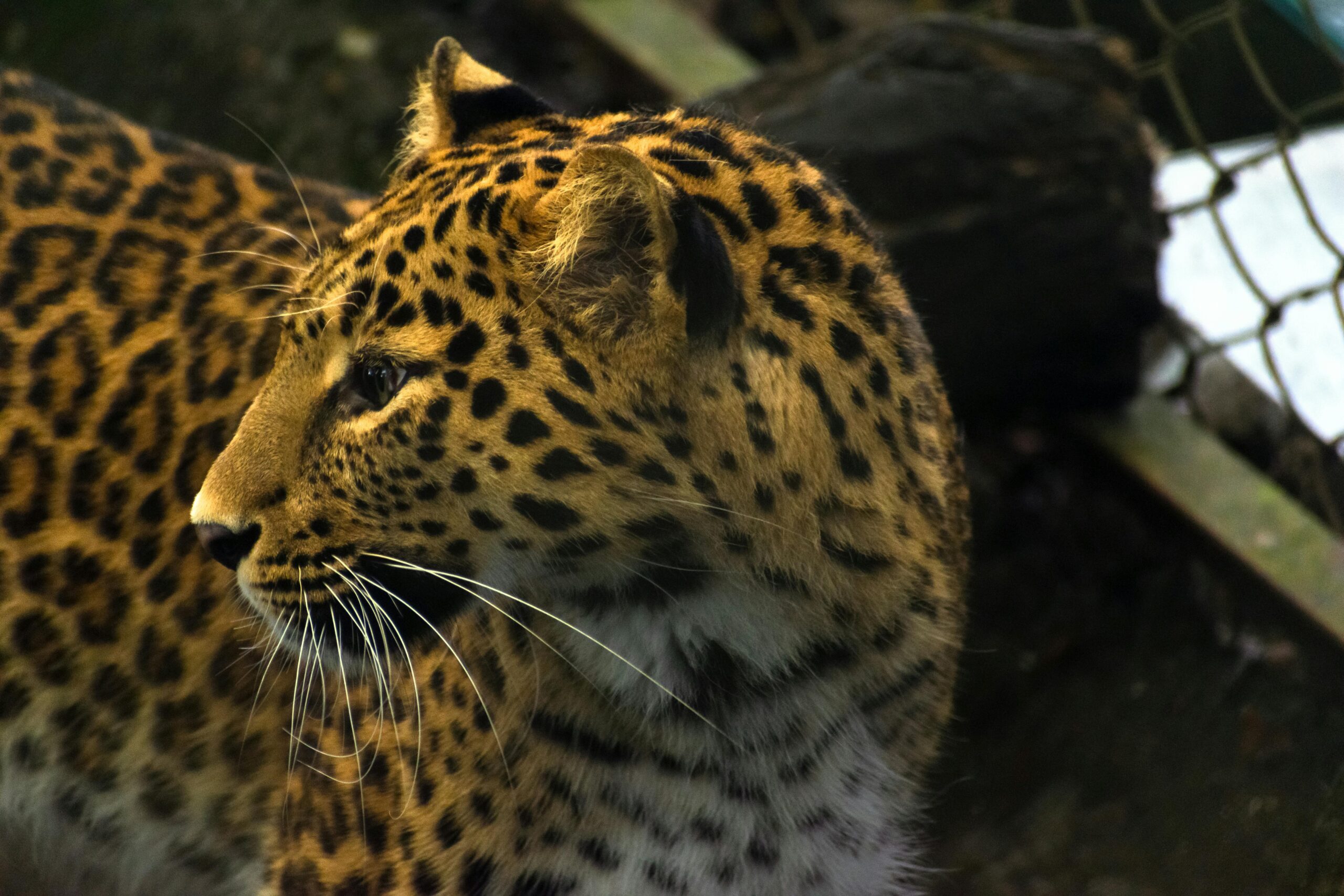
3. Oman – Arabian Leopard
Appearance: Small, spotted leopard with a golden coat.
Habitat: Mountainous and rocky areas in Oman.
Interesting Fact: It is critically endangered, with very few left in the wild.
Symbolism: Represents strength, courage, and the rarity of Oman’s wildlife.
4. Qatar – Arabian Oryx
Appearance: Same as in Saudi Arabia; a stunning white antelope with long horns.
Habitat: Desert regions across the Arabian Peninsula.
Interesting Fact: Featured on Qatar’s coat of arms and national symbols.
Symbolism: Symbolizes resilience and heritage of desert life.
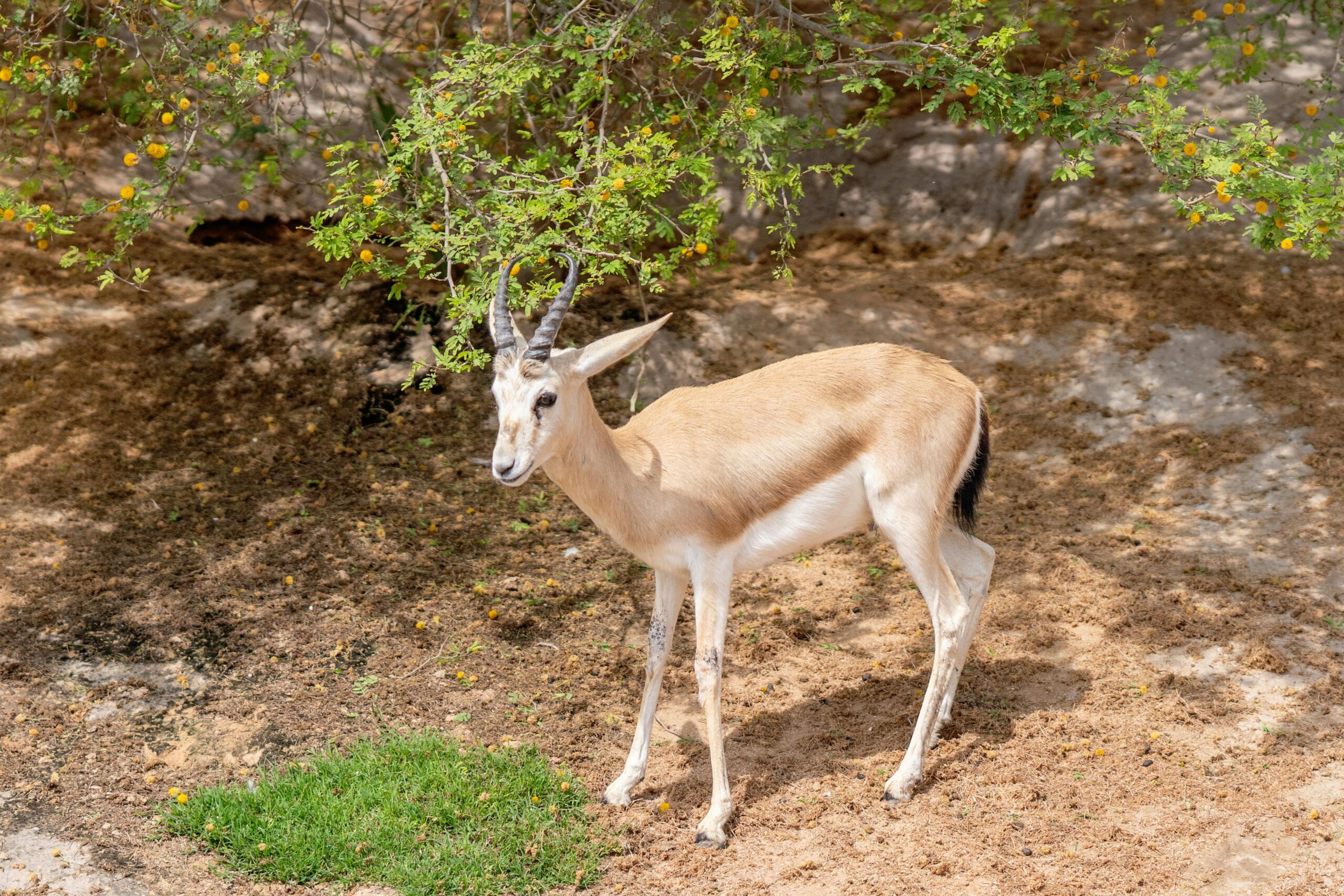
5. Jordan – Arabian Oryx / Gazelle
Appearance: Graceful antelope with slender legs and curved horns.
Habitat: Grasslands and desert areas.
Interesting Fact: The Arabian Gazelle is protected in nature reserves to prevent extinction.
Symbolism: Stands for beauty, peace, and harmony with nature.
6. Kuwait – Arabian Horse
Appearance: Known for its elegance, speed, and endurance.
Habitat: Desert and stables for cultural activities.
Interesting Fact: Arabian horses are celebrated in races and festivals.
Symbolism: Represents loyalty, cultural pride, and historical tradition.
7. Bahrain – Arabian Horse
Appearance: Muscular yet elegant horse with a distinctive Arabian profile.
Habitat: Stables and racing grounds in Bahrain.
Interesting Fact: Bahrain hosts annual Arabian horse festivals.
Symbolism: Signifies nobility, beauty, and national pride.
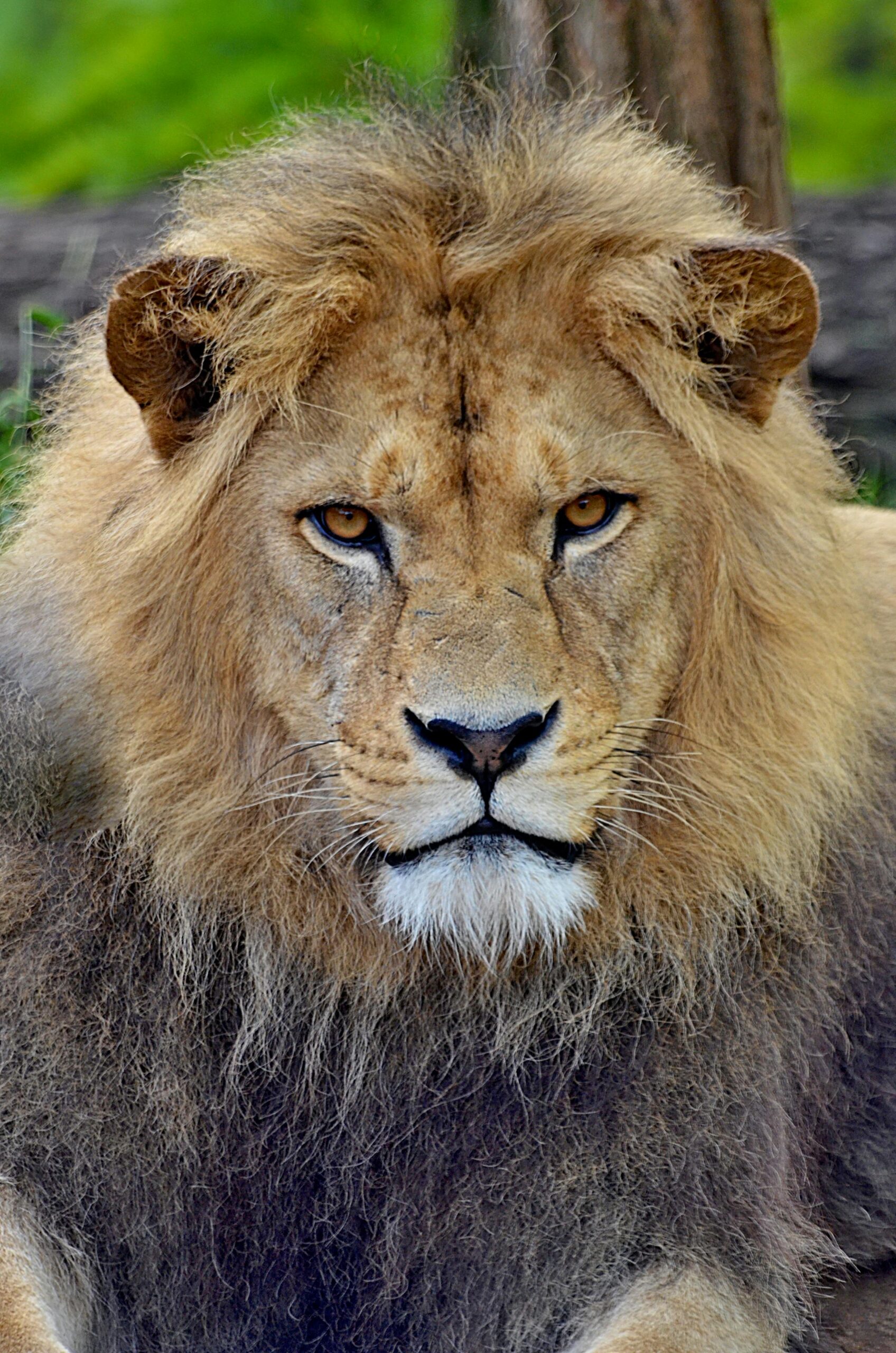
8. Iran – Persian Lion (Asiatic Lion)
Appearance: Large lion with a majestic mane, slightly smaller than African lions.
Habitat: Historically found in the forests of Iran, now mostly in protected areas.
Interesting Fact: Once widespread, the Asiatic lion is now endangered.
Symbolism: Symbolizes power, courage, and the historical might of the region.
Why National Animals Are Important
National animals are more than just symbols. They play a key role in:
Education: Teaching children about wildlife and nature.
Conservation: Encouraging protection of endangered species.
Culture: Reflecting stories, myths, and values unique to each country.
Tourism: Attracting visitors interested in wildlife and natural heritage.
Facts About Middle Eastern National Animals
Many national animals are desert-adapted species, such as the Arabian Oryx and Arabian Horse.
Several species are endangered, highlighting the importance of wildlife conservation.
Most animals symbolize strength, beauty, and resilience—qualities that countries want to be known for.
FAQs
What is the national animal of Saudi Arabia?
The national animal of Saudi Arabia is the Arabian Oryx. It symbolizes survival, beauty, and endurance in the harsh desert environment.
Which animal represents the United Arab Emirates?
The UAE’s national animal is the Arabian Horse. It shows elegance, speed, and the country’s cultural heritage in desert life.
Why is the Arabian Oryx important in the Middle East?
The Arabian Oryx represents resilience and heritage. It is also a key conservation success story in Saudi Arabia, Qatar, and Jordan.
What is the national animal of Iran?
Iran’s national animal is the Persian Lion (Asiatic Lion). It symbolizes strength, courage, and historical power in Iranian culture.
Which Middle Eastern countries have the Arabian Horse as their national animal?
The Arabian Horse is the national animal of UAE, Kuwait, and Bahrain, representing elegance, pride, and the region’s equestrian traditions.
What animal represents Oman?
Oman’s national animal is the Arabian Leopard. It is rare and endangered, symbolizing courage, strength, and the country’s unique wildlife.
Why do Middle Eastern countries choose desert animals as national symbols?
Desert animals like the Arabian Oryx and Arabian Horse symbolize survival, beauty, and resilience, reflecting the natural environment and culture of the Middle East.
Are Middle Eastern national animals endangered?
Yes, some national animals like the Arabian Oryx and Arabian Leopard are endangered, highlighting the importance of wildlife protection and conservation efforts in the region.
Conclusion
The Middle East is home to unique and powerful animals that represent the spirit of each nation. From the elegant Arabian Horse to the resilient Arabian Oryx, these national animals tell a story of survival, heritage, and pride. By learning about these animals, we also learn about the culture, history, and environment of the region.
Understanding national animals helps us appreciate wildlife, support conservation efforts, and connect with the natural and cultural heritage of Middle Eastern countries.