
National Currency of All Countries: List, Codes, and Symbols
The national currency of all countries may look like a simple list. The subject becomes more complex when two countries…
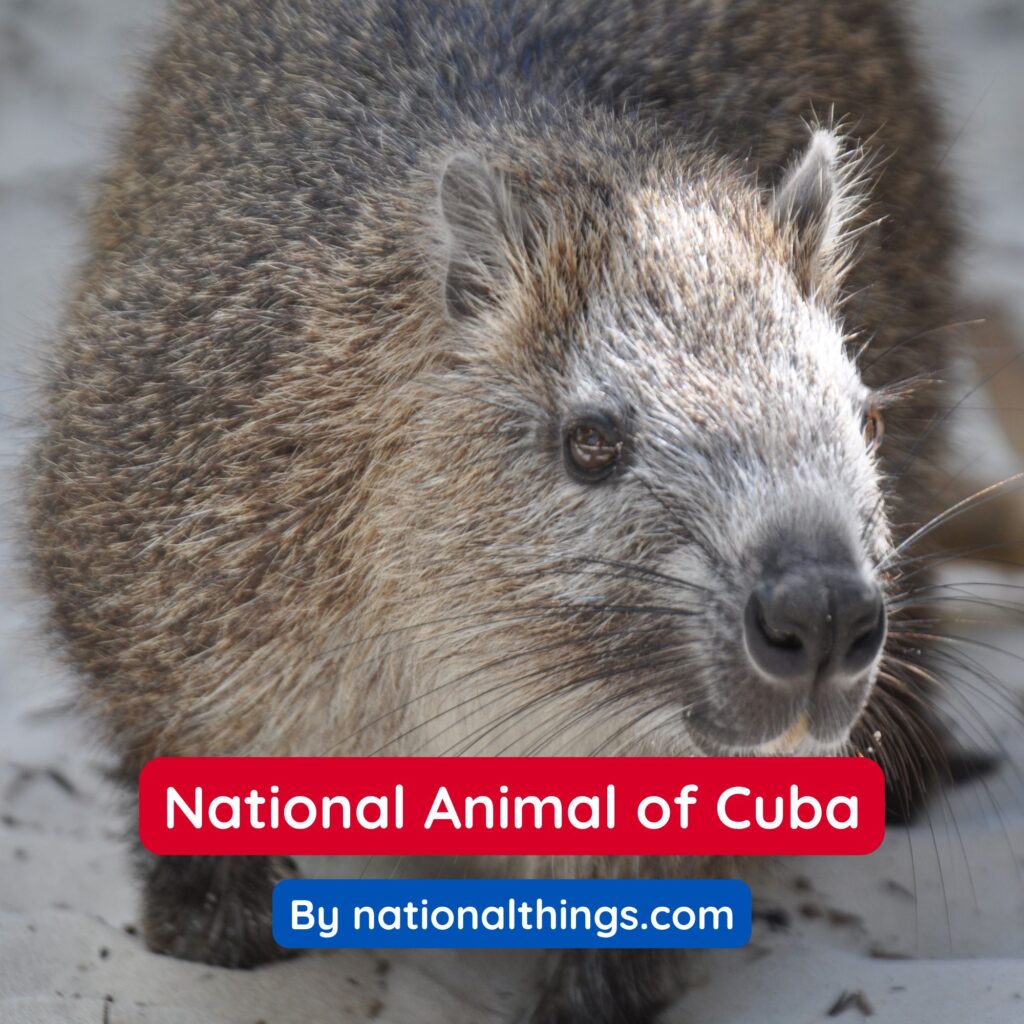
The national animal of Cuba is the Cuban Hutia (Capromys pilorides). This unique mammal is a large rodent that lives mainly in forests, coastal areas, and mangrove regions across Cuba. It is an important part of the country’s wildlife and represents the rich biodiversity of the Caribbean island.
The Cuban Hutia is known for its adaptability, strong survival skills, and connection to the natural environment of Cuba. Although many people outside the Caribbean have never heard of this animal, it plays an important role in the island’s ecosystem.
The Cuban Hutia is the largest native land mammal found in Cuba. It belongs to a group of rodents called hutias, which live only in the Caribbean region.
This animal is sometimes called Desmarest’s Hutia, named after the French zoologist who first described the species.
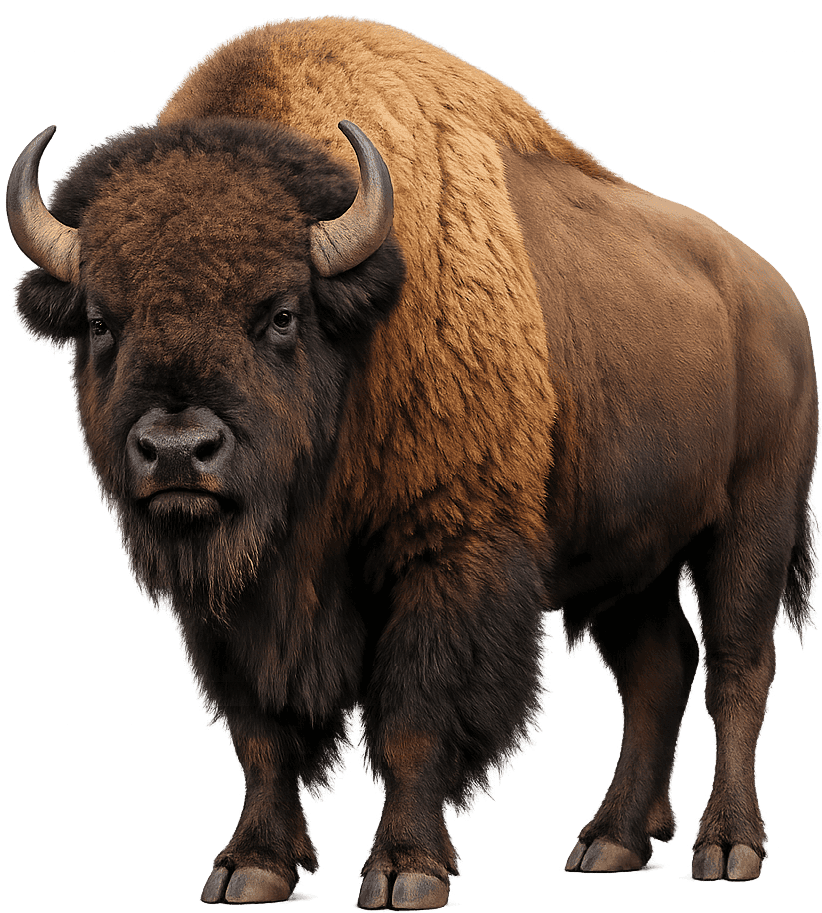
The Cuban Hutia has a strong body and looks similar to a large guinea pig or a beaver without a flat tail.
The animal has sharp claws and powerful legs, which help it climb trees and move easily through forest environments.
The Cuban Hutia lives in a variety of natural environments across Cuba. It is a very adaptable animal and can survive in different habitats.
Hutias often live in tree holes, rock crevices, or natural shelters, where they stay safe from predators.
The Cuban Hutia is a herbivore, which means it mainly eats plants.
Because of its strong teeth, the hutia can chew tough plant material. This helps maintain the balance of vegetation in its ecosystem.
The Cuban Hutia has interesting behaviors that help it survive in the wild.
Despite its large size for a rodent, the hutia is generally calm and non-aggressive.
The Cuban Hutia is a symbol of Cuba’s unique wildlife. It represents the island’s natural environment and its many endemic species.
For many years, hutias were also an important food source for some rural communities.
Compared to many other wildlife species, the Cuban Hutia currently has a stable population. However, it still faces several threats.
These efforts help ensure that the Cuban Hutia continues to survive in its natural environment.
Here are the most important facts about the national animal of Cuba:
The Cuban Hutia is an interesting and important animal that represents the natural heritage of Cuba. As the national animal, it reminds people of the island’s rich biodiversity and the importance of protecting native wildlife.
By learning about animals like the Cuban Hutia, readers can better understand how unique ecosystems work and why wildlife conservation is essential for the future of our planet.
The national animal of Cuba is the Cuban Hutia (Capromys pilorides). It is the largest native land mammal in Cuba and represents the country’s unique wildlife and natural biodiversity.
The Cuban Hutia represents Cuba’s native wildlife and ecological heritage. It is one of the few mammals naturally found on the island and symbolizes the country’s rich biodiversity.
A Cuban Hutia is a large rodent native to Cuba. It looks similar to a guinea pig or small beaver and lives mainly in forests, mangroves, and coastal areas.
The national animal of Cuba, the Cuban Hutia, lives across the Cuban islands. It prefers forests, mangroves, rocky coasts, and rural areas where it can find plants and shelter.
The Cuban Hutia, the national animal of Cuba, is a herbivore. It mainly eats leaves, fruits, bark, roots, and seeds, helping maintain plant balance in its natural environment.
The Cuban Hutia is currently listed as Least Concern, meaning its population is stable. However, habitat loss and hunting can still threaten the national animal of Cuba.
The scientific name of the national animal of Cuba is Capromys pilorides. Scientists classify it in the rodent family Capromyidae, a group of animals found mainly in the Caribbean.
Related Articles: