


National Fruit of the Philippines: Meaning, History, and Importance
National Fruit of the Philippines reflects the country’s rich food culture and strong agricultural roots. Mango, especially the Carabao variety,…
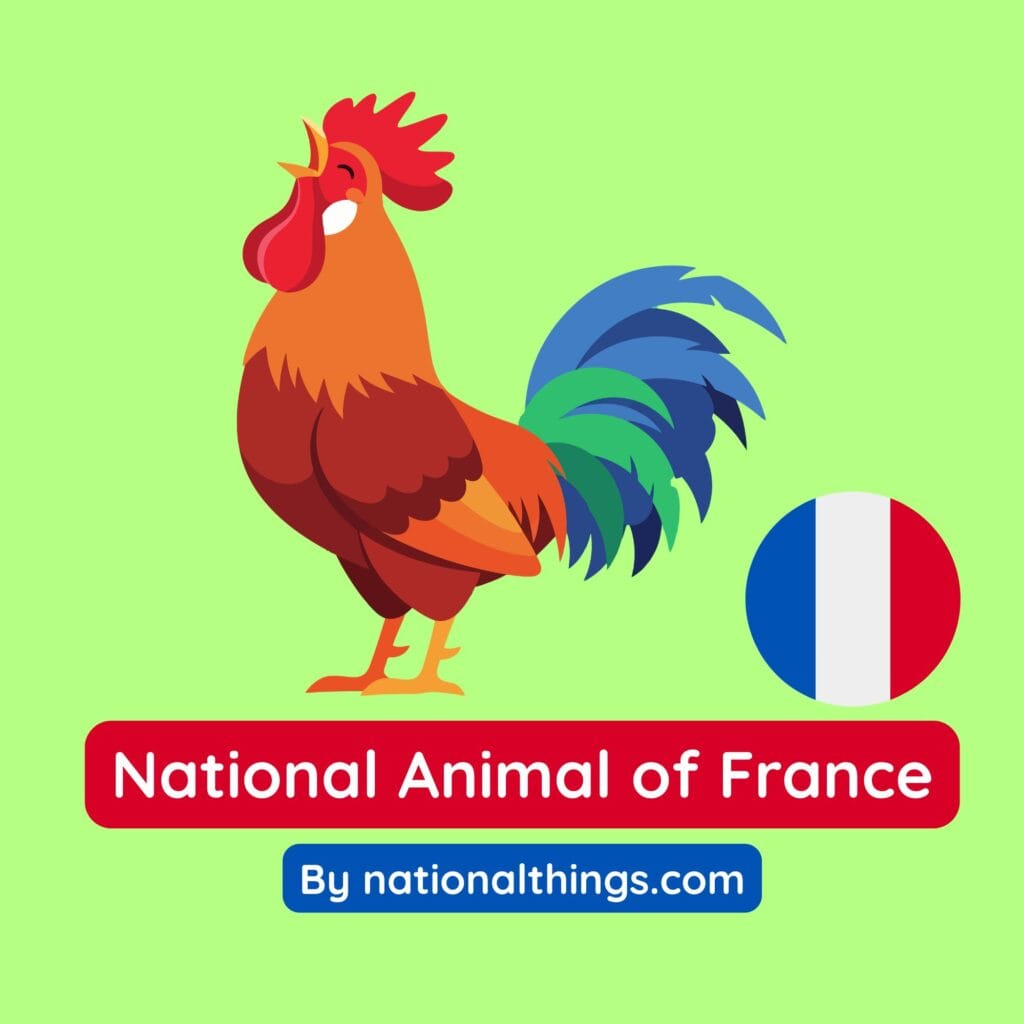
The national animal of France is the Gallic Rooster, known in French as Le Coq Gaulois. Unlike many countries that choose wild animals, France chose a rooster as its national symbol.
The Gallic Rooster represents pride, courage, vigilance, and the strong national identity of France. It has been connected with French history for centuries and continues to appear in sports, politics, and national emblems.
The symbol of the rooster goes back to ancient times. In Latin, the word “Gallus” means both “Gaul” (an ancient region that is now France) and “rooster.” Because of this word connection, the rooster became linked to the people of Gaul.
During the French Revolution, the rooster became a powerful symbol of:
Over time, it replaced royal symbols and became associated with the French Republic.
The Gallic Rooster carries strong symbolic meanings:
These qualities match the values that France wants to express as a nation.
The Gallic Rooster is not a specific wild species. It is usually shown as a strong farm rooster with:
In official art, the rooster often stands with one foot raised and chest forward, showing strength and leadership.
The Gallic Rooster appears in many important places in France:
For example, French national football and rugby teams use the rooster on their uniforms. It has become a global symbol of French pride.
After the monarchy ended, France needed new national symbols. The rooster became one of the main images of the Republic. It represented the people rather than the king.
Although the official emblem of France today includes other symbols, the rooster remains one of the most recognized national icons in the country.
The Gallic Rooster is deeply connected to French culture. It represents:
The rooster is also common in French art, stamps, and public monuments. It reflects both history and modern national spirit.
It is important to understand that the Gallic Rooster is a symbolic national animal, not a protected wildlife species.
France also values animals such as wolves and deer in its natural environment. However, the rooster was chosen for symbolic and historical reasons rather than ecological ones.
This makes the national animal of France different from countries that select native wild species.
Learning about the national animal of France helps students:
The Gallic Rooster is a clear example of how language, history, and symbolism come together.
The national animal of France, the Gallic Rooster, is a powerful symbol of pride, courage, and vigilance. Rooted in ancient Latin wordplay and strengthened during the French Revolution, it represents the values of the French Republic.
Though it is not a wild animal like many other national animals, it remains one of the strongest and most meaningful symbols of France’s identity and heritage.
Related Articles