Japan is a country known for its rich culture, history, and unique wildlife. Every nation has symbols that represent its identity, and Japan also has a national animal that holds cultural and historical importance. Learning about it helps understand Japanese traditions and nature.
What is the National Animal of Japan?
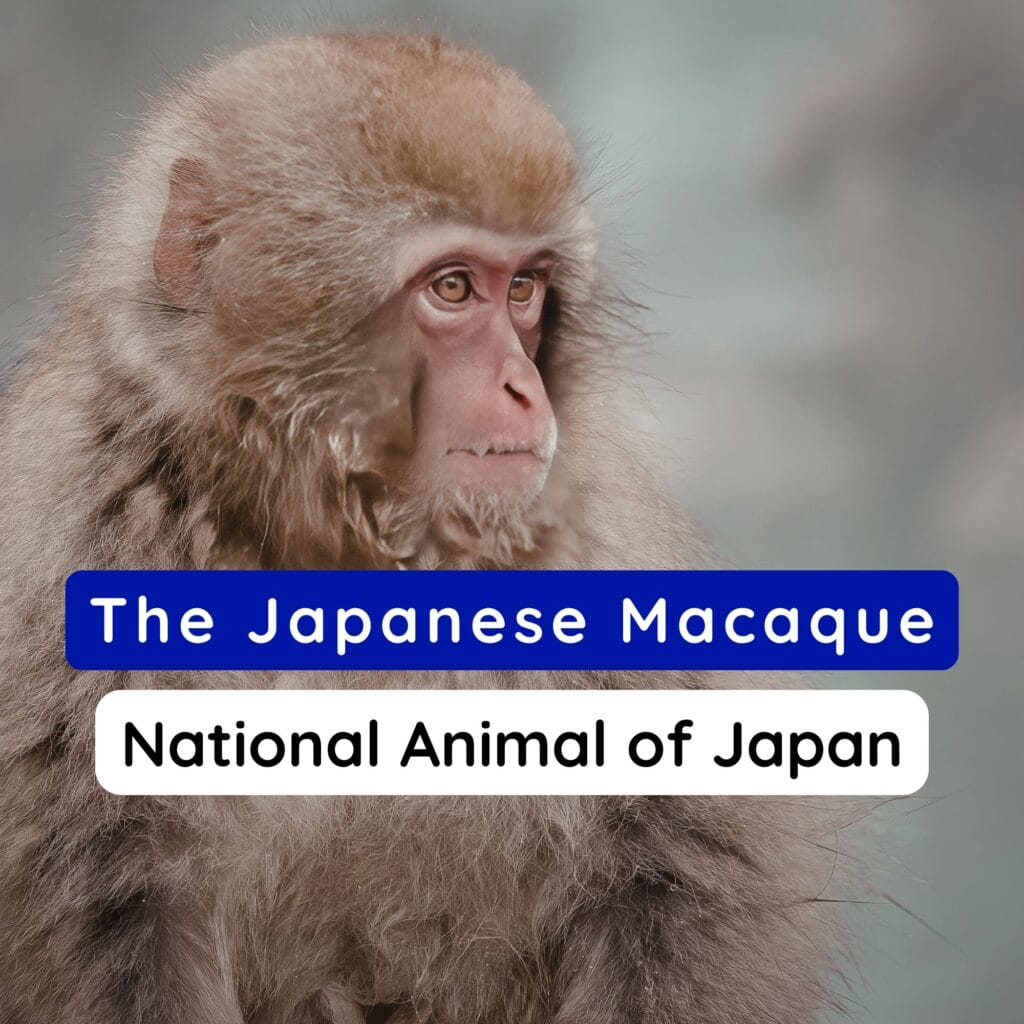
The Japanese Macaque, also called the Snow Monkey, is considered the national animal of Japan. This primate is famous for its intelligence, adaptability, and unique behavior in snowy environments.
- Scientific name: Macaca fuscata
- Type: Primate (Monkey)
- Habitat: Mountains and forests across Japan
The Japanese Macaque is admired not only for its wildlife significance but also for its role in Japanese culture and traditions.
Why the Japanese Macaque is Important to Japan
The Japanese Macaque holds cultural, historical, and ecological importance:
- Cultural Symbol:
The macaque appears in Japanese art, folklore, and festivals, symbolizing cleverness, adaptability, and harmony with nature. - Historical Role:
Known for living close to humans for centuries, the macaque is linked to Shinto beliefs and traditional storytelling. - Environmental Significance:
It helps maintain balance in forest ecosystems by spreading seeds and controlling insects.
Physical Features of the Japanese Macaque
The Japanese Macaque is easily recognizable for its distinctive look:
- Size: Males 50–60 cm, females 40–50 cm
- Weight: Males 10–14 kg, females 8–11 kg
- Fur: Thick, brownish-gray to survive cold winters
- Face: Red or pink face, especially in adults
- Diet: Fruits, leaves, insects, and small animals
These features help it survive in Japan’s varied climates, from forests to snow-covered mountains.
Where Can You Find Japanese Macaques in Japan?
Japanese Macaques are widespread but prefer:
- Mountainous forests and hot spring areas
- Northern regions like Nagano and Jigokudani
- Rural areas where human interaction is common
They are famous for bathing in hot springs during winter to stay warm, making them a popular tourist attraction.
Japanese Macaque in Japanese Culture
The Japanese Macaque is more than a wild animal; it is part of Japan’s heritage:
- Folklore and Art: Appears in stories and paintings symbolizing wisdom and cleverness
- Festivals: Featured in local traditions and rituals
- Tourism: Known as the “Snow Monkey” that bathes in hot springs, attracting visitors worldwide
Fun Facts About the Japanese Macaque
- Can survive in temperatures as low as -15°C (5°F)
- Lives in social groups called troops, sometimes with over 100 monkeys
- Communicates through vocal calls, gestures, and facial expressions
- Known for clever problem-solving and playful behavior
Conservation Status
The Japanese Macaque is not endangered but is legally protected in Japan:
- Hunting is restricted, and habitat is preserved
- National parks provide safe living areas
- Conservation programs promote coexistence with humans
This ensures the species continues to thrive naturally in Japan.
Short Summary
- National animal of Japan: Japanese Macaque (Snow Monkey)
- Symbol of intelligence, adaptability, and harmony with nature
- Lives in mountains, forests, and snowy areas
- Featured in art, folklore, and tourism
- Protected species thriving in Japan’s natural habitats
Conclusion
The Japanese Macaque is more than Japan’s national animal. It represents intelligence, adaptability, and cultural heritage. Its role in art, folklore, and nature makes it a unique symbol of Japan. Learning about this primate helps understand Japanese traditions, wildlife, and the importance of harmony with nature.
Frequently Asked Questions
Related Articles